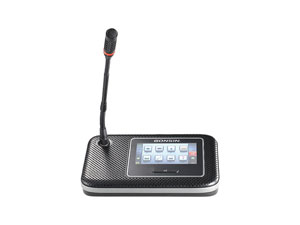
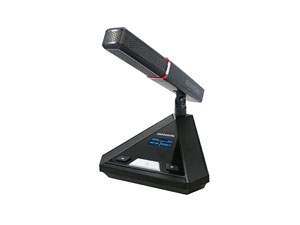
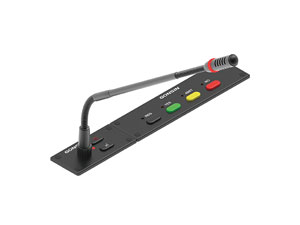
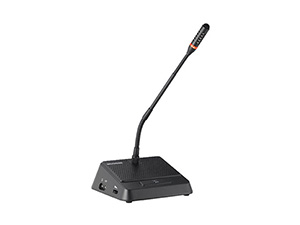
When selecting a simultaneous interpretation system, one of the first questions buyers usually ask is: how many language channels are required?
The answer depends on more than the number of languages spoken at an event. A conference with six interpreted languages does not always require a six-channel system. The actual requirement may change depending on whether the original floor language needs to be distributed, whether relay interpretation is used, and whether the system is expected to support future events with different language combinations.
For conference organizers, government institutions, convention centers and professional AV integrators, understanding channel requirements before purchasing a simultaneous translation device helps avoid both insufficient capacity and unnecessary investment.

What Does a Language Channel Mean in a Simultaneous Interpretation System?
In a simultaneous interpretation system, each channel represents an independent audio feed that can be selected by participants through interpretation receivers.
During a multilingual conference, interpreters listen to the speaker and provide real-time interpretation into different languages. Each interpreted language is assigned to a separate channel, allowing attendees to select the language they understand.
For example, an international conference may use English as the main presentation language and provide interpretation in Chinese, French and Spanish. The system may need to distribute four audio feeds:
| Audio Feed | Purpose |
|---|
| English floor language | Original speaker audio for participants who prefer listening to the source language |
| Chinese interpretation | Translated audio for Chinese-speaking attendees |
| French interpretation | Translated audio for French-speaking attendees |
| Spanish interpretation | Translated audio for Spanish-speaking attendees |
Therefore, the number of channels should be calculated based on the number of audio feeds that need to be delivered, rather than simply counting the number of interpreter booths or participants.
Why Language Counting Is Often Misunderstood During System Planning
One common mistake in conference system planning is assuming that the number of required languages automatically equals the number of channels.
For example, a buyer may request a system for “six languages.” However, this description does not explain whether the requirement includes the original floor language or refers only to interpreted languages.
If a conference requires interpretation into six languages and the original speaker language also needs to be available through receivers, the system may actually need seven audio channels. In this situation, an 8-channel system would usually provide a more practical configuration than a 6-channel system.
This difference is especially important for international conferences, where attendees may come from different regions and some participants may prefer to listen to the original speech rather than interpretation.
How to Estimate Channel Requirements for Different Events
The appropriate channel capacity depends on the event type and how the interpretation system will be used. The following examples provide a general reference for planning.
| Event Scenario | Typical Requirement | Channel Planning Consideration |
|---|
| Small business meeting | One or two interpreted languages | A compact system with limited channel capacity is usually sufficient |
| International conference | Several interpreted languages plus possible floor audio | Additional channels may be required depending on language combinations |
| Government or organization meeting | Multiple languages and frequent multilingual communication | System flexibility and future expansion become more important |
| Convention center installation | Different language requirements across various events | A scalable system with higher channel capacity is often preferred |
For a temporary event, matching the current requirement is usually the most cost-effective approach. For a permanent installation, such as a conference center or international organization facility, leaving some room for future expansion can make the system more practical over its service life.
Does the Number of Participants Affect the Number of Channels?
Participant numbers and language channels are related but represent different parts of system planning.
The number of languages determines how many audio channels are required. The number of participants mainly affects how many receivers, charging units and related accessories are needed.
For example, a 200-person meeting and a 1,000-person conference may require the same four language channels if both events use the same language configuration. However, the larger event will require significantly more receivers and may require additional considerations for signal coverage and venue layout.
When requesting a quotation, buyers should provide both language requirements and participant numbers so suppliers can design a complete solution instead of selecting equipment based only on channel quantity.
How Relay Interpretation Influences Channel Selection
Relay interpretation is another factor that should be considered for multilingual conferences.
In some international events, an interpreter may not translate directly from the speaker’s language. Instead, the interpreter listens to another language channel and uses that interpretation as the source language.
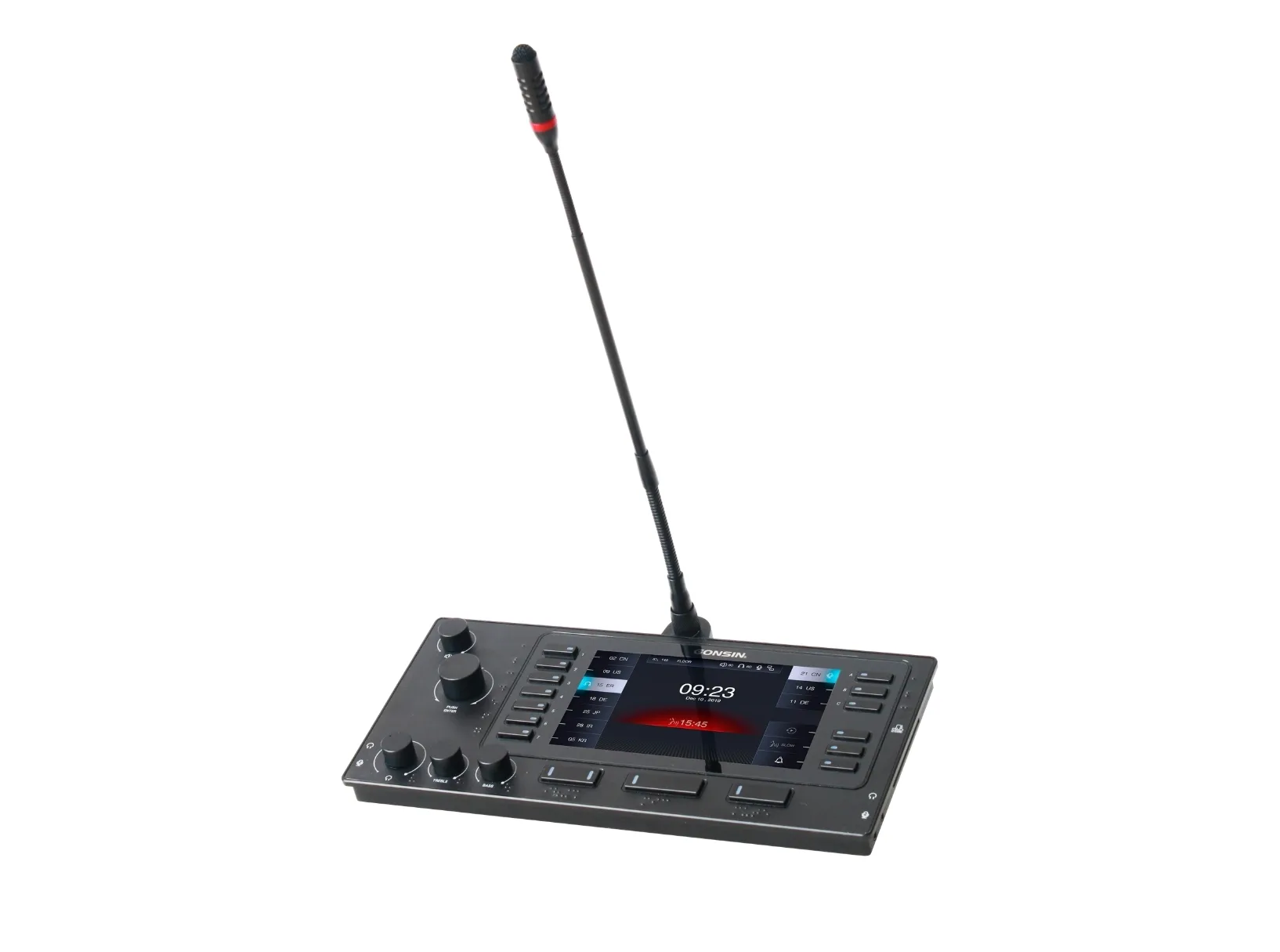
Although relay interpretation does not always increase the number of audience channels, it affects the requirements for interpreter consoles and audio routing. A system designed for several interpreter booths needs to allow interpreters to monitor and select the correct source channels during the event.
For large conferences involving multiple language teams, channel capacity should therefore be evaluated together with interpreter console functions and the overall system design.
Choosing Between Different Channel Capacities
Different simultaneous interpretation technologies provide different channel capacities, allowing buyers to select a solution that matches their project requirements.
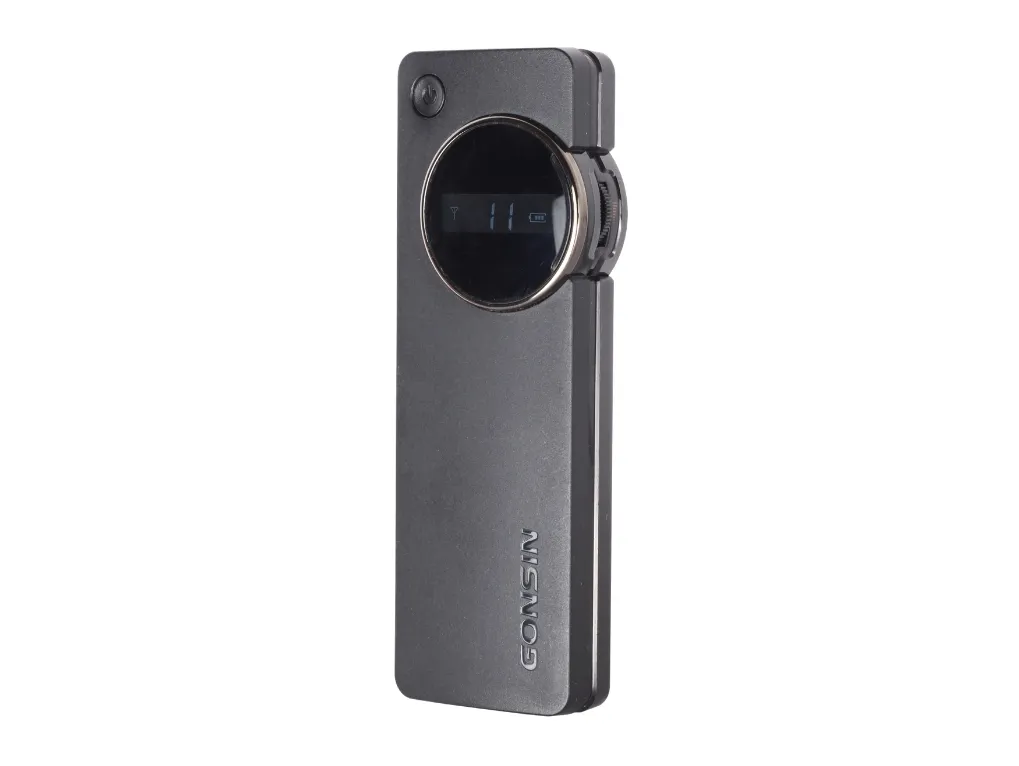
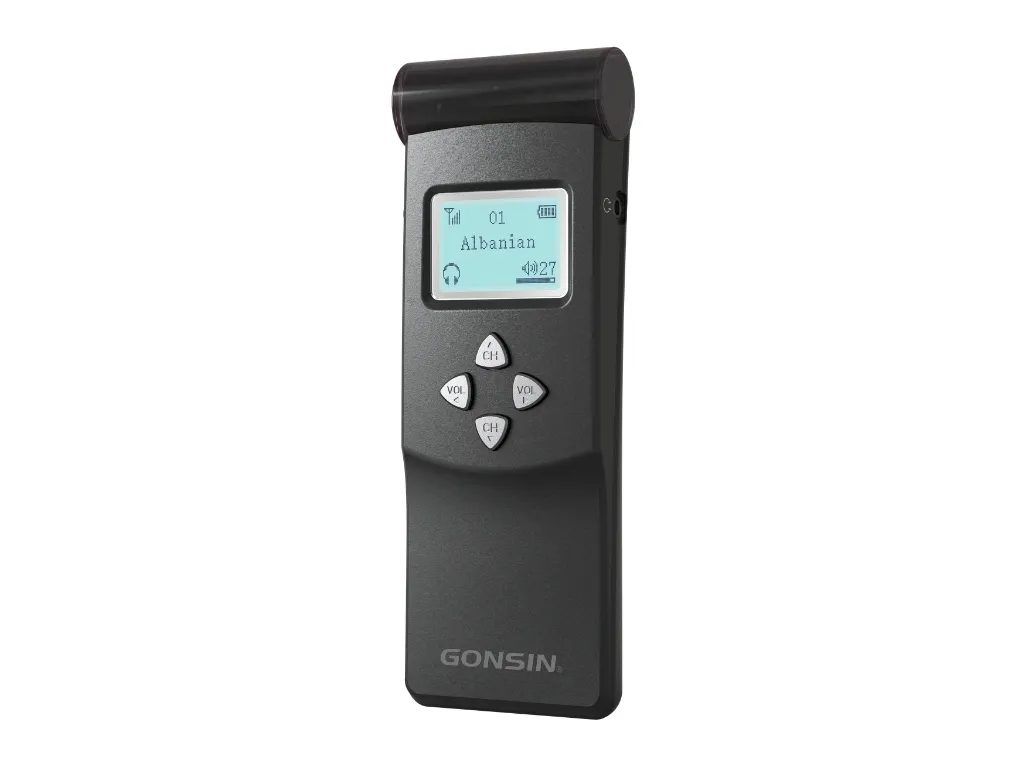
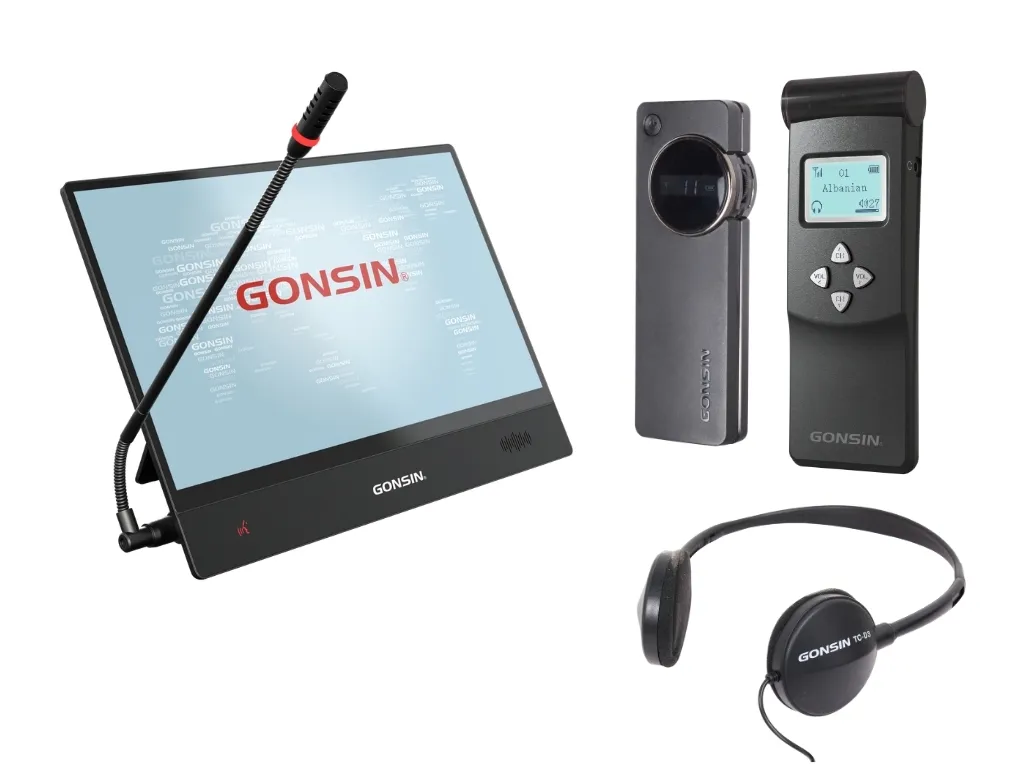
GONSIN provides simultaneous interpretation systems designed for different conference environments. Its infrared interpretation solutions include receiver options supporting 4, 6, 8 and 12 channels, while its FS-FHSS wireless simultaneous interpretation system supports up to 16 channels.
The right choice depends on the complete application. A meeting room requiring several languages may not need the same system configuration as an international congress with multiple interpreter booths and changing language requirements.
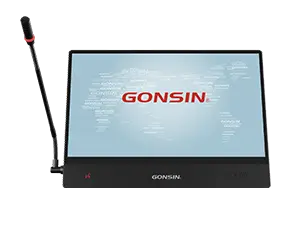
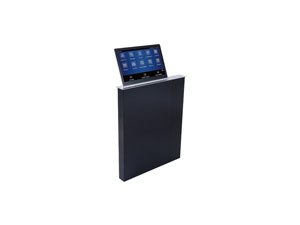
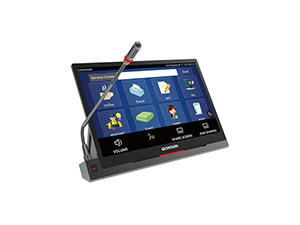
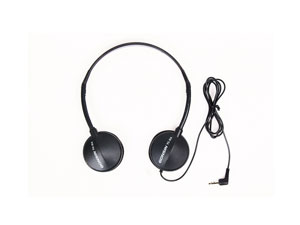
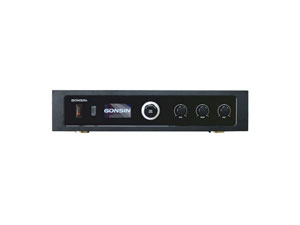
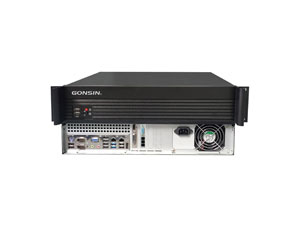
When selecting a simultaneous translation device, buyers should consider the entire system, including transmitters, receivers, interpreter consoles, venue conditions and possible future expansion.
Should You Choose More Channels Than You Currently Need?
Choosing additional channel capacity can be beneficial for venues that regularly host international events, but it is not always necessary.
A conference center that frequently organizes multilingual meetings may benefit from a system with additional capacity because future events may involve different language combinations. However, for a single event with a fixed language plan, selecting a much larger system may not provide additional value.
A practical approach is to evaluate:
the largest multilingual event expected at the venue;
whether language requirements change frequently;
how long the equipment will remain in use;
whether future system expansion is expected.
This approach allows buyers to balance current requirements with long-term usability.
What Information Should You Provide Before Purchasing a Simultaneous Interpretation System?
A supplier can recommend a much more accurate configuration when the project requirements are clearly explained.
Before requesting a quotation, buyers should prepare information including:
the number of interpreted languages;
whether the original floor language needs to be available;
the expected number of participants;
the venue size and layout;
whether the system is for temporary use or permanent installation;
whether relay interpretation will be required.
With these details, the supplier can determine whether a 4-, 6-, 8-, 12- or 16-channel solution is appropriate and recommend suitable receivers, interpreter consoles and transmission equipment.
GONSIN has extensive experience providing interpretation solutions for conferences, meetings and international events. If you are unsure about the required channel capacity, you can contact GONSIN and provide your event details for a professional system recommendation.
Conclusion
The number of language channels required for a simultaneous interpretation system depends mainly on the number of audio feeds that need to be distributed during an event. While interpreted languages are the starting point, factors such as floor audio, relay interpretation and future expansion can significantly influence the final configuration.
For buyers, the best approach is not to select equipment based only on a channel number. A complete system design should consider the relationship between interpreter consoles, transmitters, receivers and the actual conference environment.
By understanding these requirements in advance, organizations can choose a more suitable simultaneous interpretation solution that supports both current events and future communication needs.
Frequently Asked Questions
How many channels are needed for a six-language conference?
It depends on whether the original floor language is also distributed. Six interpreted languages may require six channels, while including the floor language may require additional capacity.
Does a larger audience require more language channels?
No. Audience size mainly affects the number of receivers required. Language channels are determined by the number of audio languages being distributed.
Is an 8-channel system suitable for most international conferences?
Many medium-sized multilingual conferences can be supported by an 8-channel system, but the final choice depends on the required languages and event structure.
What should I prepare before asking for a simultaneous interpretation system quotation?
Provide the number of languages, participant quantity, venue information, floor language requirements and any future expansion plans.



 اللغة العربية
 Español
 Français
 Pусский
 简体中文