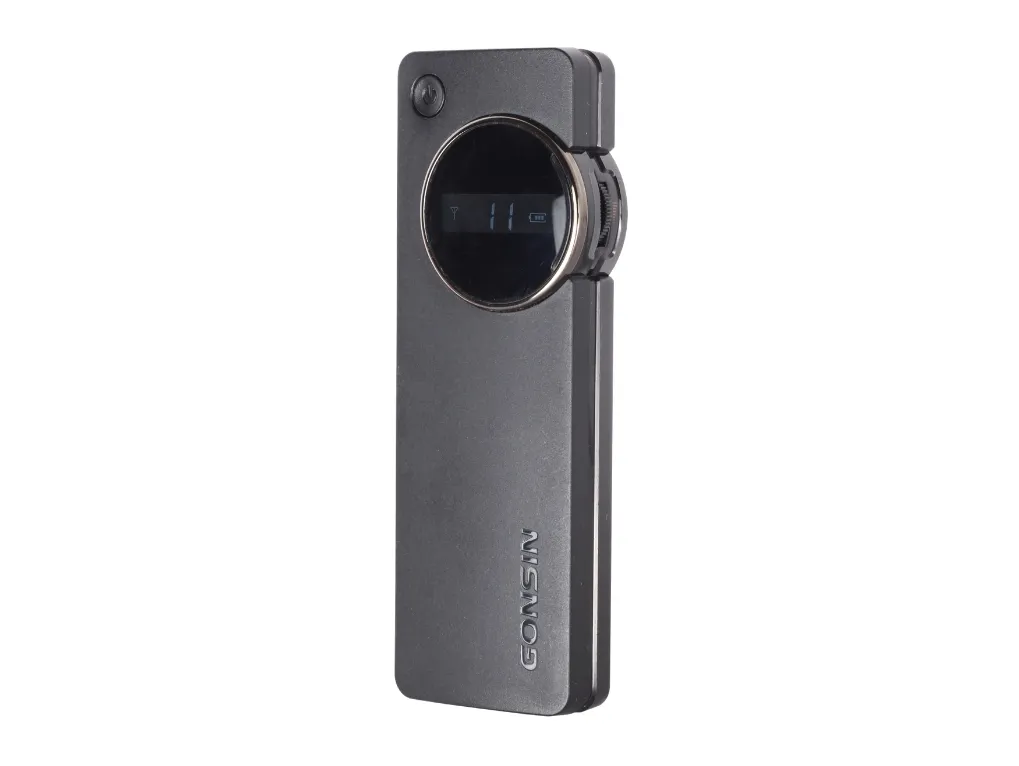
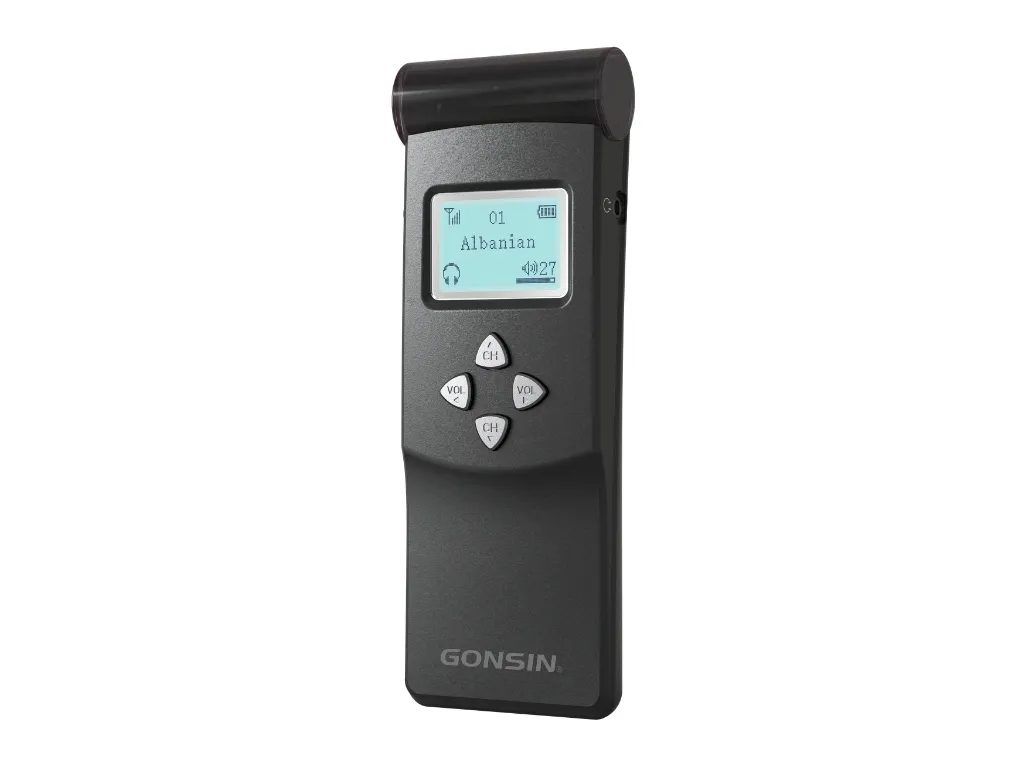
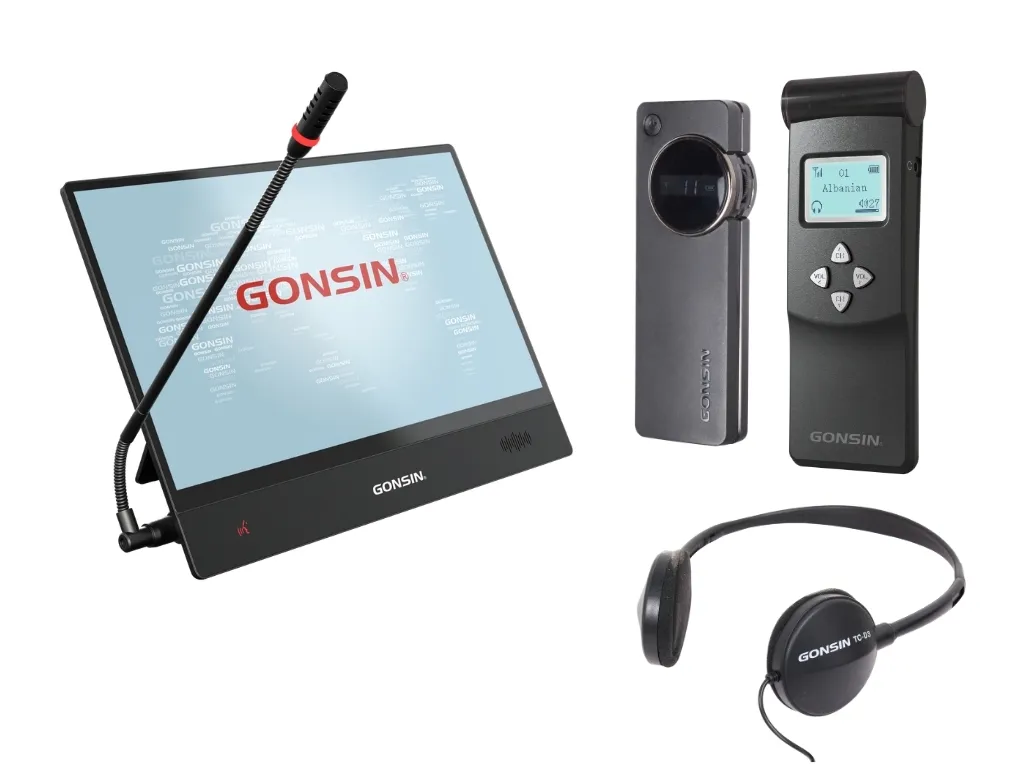
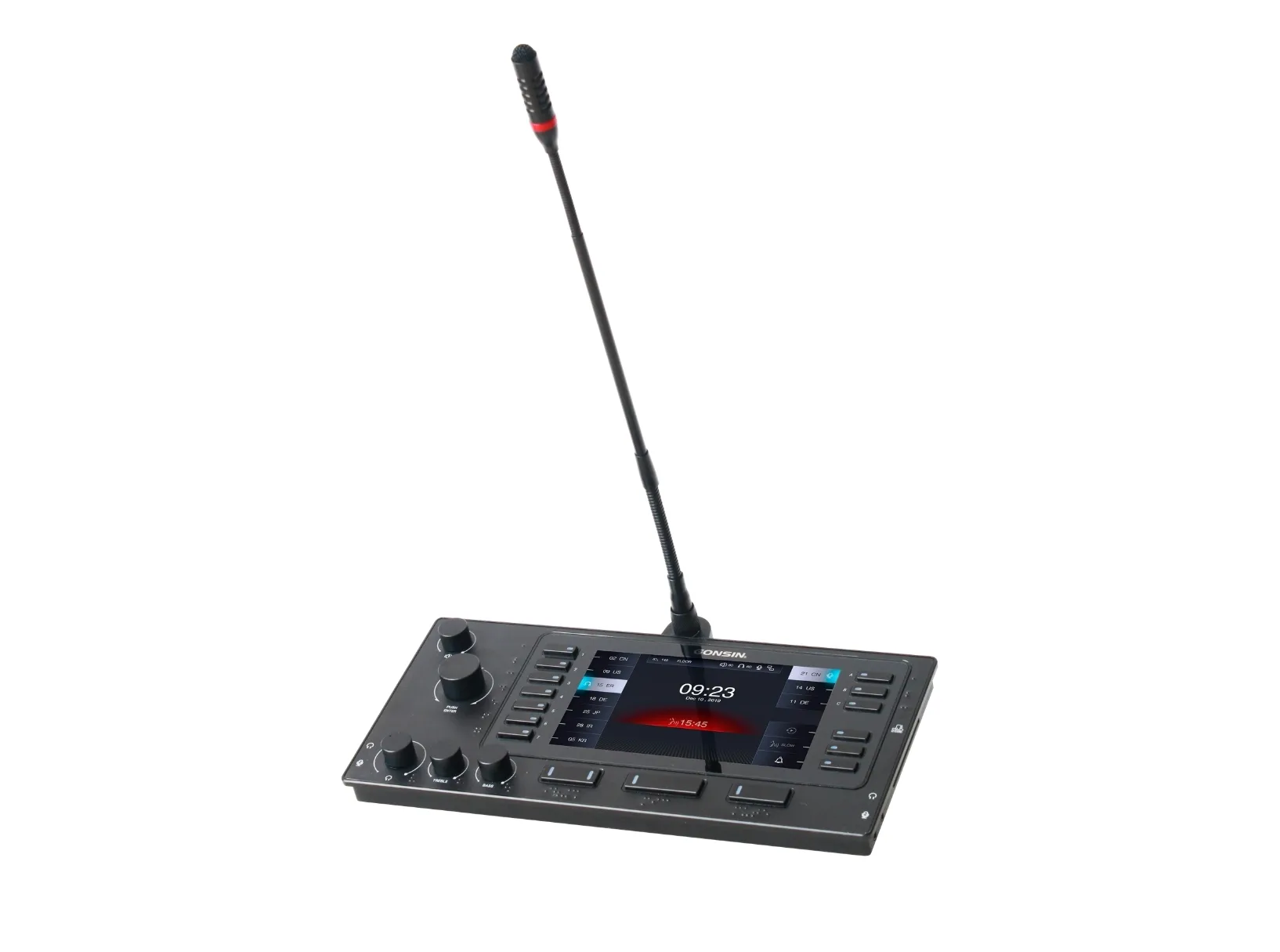
For international conferences, selecting the right simultaneous interpretation receivers and headsets is an important part of ensuring a smooth multilingual communication experience. While the interpretation system itself determines how languages are transmitted, the receiver and headset are the final connection between the system and every attendee.
A suitable receiver allows participants to easily select their preferred language channel, while a comfortable headset ensures that they can clearly listen to interpretation throughout long sessions. However, many buyers focus mainly on the number of devices required and overlook factors such as transmission technology, battery performance, audio quality and venue conditions.
This guide explains the key factors to consider when selecting a translation receiver and headset solution for conferences, meetings and international events.

What Factors Should You Consider When Choosing Interpretation Receivers?
The right interpretation receiver should match the requirements of the entire conference system rather than being selected as an independent accessory. Before purchasing, buyers should evaluate several factors, including language channels, transmission technology, operating environment and user experience.
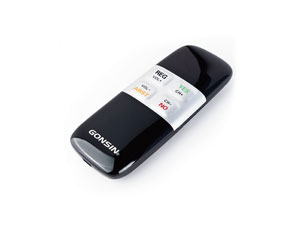
The number of language channels is usually the first consideration. A receiver must support the number of audio channels required by the event, allowing attendees to select the language they need. For example, a multilingual conference requiring eight interpretation channels needs receivers that can access those available channels.
Transmission technology is another important factor. Infrared receivers and wireless receivers are designed for different applications. Infrared solutions are often used in fixed conference venues where controlled signal coverage is required, while wireless solutions provide greater flexibility for temporary events or changing layouts.
Other important considerations include:
| Selection Factor | Why It Matters |
|---|
| Channel capacity | Determines how many interpreted languages attendees can access |
| Audio quality | Clear sound is essential for understanding interpretation during long conferences |
| Battery performance | Ensures receivers can operate throughout the event without frequent replacement or charging |
| Transmission range | Should match the size and layout of the venue |
| Ease of operation | Attendees should be able to quickly select channels and adjust volume |
For professional conference applications, the receiver should be considered as part of a complete interpretation system that includes transmitters, interpreter consoles and audio distribution equipment.
How Many Interpretation Receivers Do You Need for Your Conference?
The number of receivers required is mainly determined by the number of attendees who need interpretation, not by the number of languages being provided.
For example, a conference with five interpreted languages and 500 participants may require five language channels but hundreds of receivers. The language channels determine how many audio options are available, while the participant number determines how many people need access to those channels.
When planning receiver quantity, conference organizers should also consider several practical factors:
Whether all attendees require interpretation or only selected groups;
Whether VIP guests, speakers or staff members need additional devices;
Whether spare receivers should be prepared for equipment replacement;
Whether the event requires receivers for multiple sessions.
For large conferences, preparing a small number of additional units is often recommended because it helps avoid disruptions caused by unexpected equipment issues.
The receiver quantity should therefore be planned together with the event schedule, attendee profile and equipment management process.
IR or Wireless Interpretation Receiver: Which One Is Better for Your Venue?
The choice between infrared and wireless interpretation receivers depends mainly on the venue environment and how the system will be used.
Infrared interpretation receivers are commonly used in conference halls, meeting rooms and government facilities where signal control and privacy are important. Because infrared signals are limited by room boundaries, they are suitable for venues that require controlled coverage and reduced interference between adjacent rooms.
Wireless interpretation receivers provide more flexibility for events where equipment needs to be deployed quickly or moved between different locations. They are often considered for temporary conferences, exhibitions and venues with changing layouts.
| Receiver Type | Suitable Applications | Main Considerations |
|---|
| Infrared receiver | Conference rooms, government meetings, permanent installations | Requires suitable infrared coverage planning and room conditions |
| Wireless receiver | Temporary events, exhibitions, flexible conference setups | Requires reliable wireless transmission and proper frequency management |
GONSIN provides both infrared and wireless simultaneous interpretation solutions for different conference environments. Its interpretation systems include receiver options designed to work with professional conference applications, helping organizations select a configuration based on venue requirements rather than using a one-size-fits-all approach.
How to Choose the Right Headset for Simultaneous Interpretation Receivers?
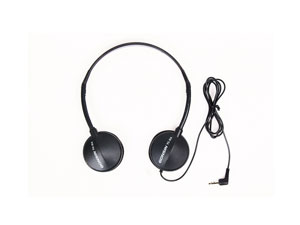
The headset is the part of the interpretation system that attendees interact with directly, so comfort and audio performance are important considerations.
During international conferences, participants may wear headsets for several hours. A headset with clear sound reproduction, comfortable wearing pressure and suitable noise isolation can significantly improve the overall meeting experience.
When selecting headsets, buyers should consider:
Wearing comfort: Lightweight designs are more suitable for long conference sessions.
Audio clarity: Clear speech reproduction helps attendees understand interpretation accurately.
Noise control: Appropriate isolation helps reduce distractions in busy venues.
Maintenance requirements: Events with frequent equipment turnover should consider cleaning and replacement convenience.
The headset and receiver should also be compatible with each other. Using a receiver and headset combination designed for professional interpretation applications helps maintain consistent audio performance throughout the event.
What Should You Check Before Purchasing Conference Interpretation Receivers?
Before purchasing conference interpretation receivers, buyers should provide detailed project information rather than selecting equipment only according to the number of devices required.
A complete evaluation should include the following aspects:
| Information Required | Purpose |
|---|
| Number of interpreted languages | Determines required channel capacity |
| Number of attendees | Determines receiver quantity |
| Venue size and layout | Helps select suitable transmission technology |
| Event duration | Influences battery and charging requirements |
| Installation type | Determines whether fixed or flexible solutions are more suitable |
GONSIN's simultaneous interpretation systems are designed for professional conference applications, including international meetings, government events and large-scale conferences. By considering the complete project requirements, GONSIN can help customers select suitable receivers, headsets and supporting equipment.
If you are planning a multilingual conference and need advice on receiver quantity, channel configuration or system selection, contact GONSIN to discuss your specific requirements.
Conclusion
Selecting simultaneous interpretation receivers and headsets requires more than choosing the correct number of devices. A successful system configuration should consider language channels, attendee numbers, venue conditions, transmission technology and long-term usability.
The receiver determines how attendees access different interpretation channels, while the headset directly affects their listening experience. By evaluating both components together with the complete interpretation system, conference organizers can create a more reliable and comfortable multilingual communication environment.
Whether the project requires an infrared solution for a permanent conference venue or a flexible wireless system for temporary events, choosing the right translation receiver and headset combination is an important step toward successful international communication.
Frequently Asked Questions
How many interpretation receivers are needed for a conference?
The required quantity mainly depends on the number of attendees who need interpretation. Each participant requiring translation typically needs one receiver.
What is the difference between an infrared receiver and a wireless interpretation receiver?
Infrared receivers are commonly used for controlled indoor environments, while wireless receivers provide more flexibility for temporary or changing conference setups.
Can one receiver support multiple languages?
Yes. A multilingual interpretation receiver allows users to select different language channels provided by the interpretation system.
What headset is suitable for simultaneous interpretation?
A suitable headset should provide clear audio, comfortable wearing during long sessions and compatibility with the interpretation receiver system.
Explore GONSIN Conference Solutions
Continue with the GONSIN systems that match your room and use case:
Next step: Request a quote or book a solution design session with a GONSIN specialist; you can also download the wireless conference microphone system specification sheet (PDF).
Related reading: Selecting Simultaneous Interpretation Equipment: Wireless vs. Infrar · Infrared vs Wireless Simultaneous Interpretation: Which is Suitable



 اللغة العربية
 Español
 Français
 Pусский
 简体中文