Planning an interpretation booth requires more than allocating space for interpreters. The booth must provide sufficient working room, effective sound insulation, appropriate ventilation, suitable lighting, and a clear view of the meeting area. Poor planning can make long interpreting sessions uncomfortable and may affect communication quality during multilingual events.
For conference centers, government facilities, universities, and international meeting venues, understanding interpretation booth dimensions is an important step in designing a functional simultaneous interpretation system. The right configuration depends on the number of interpreters, the booth type, the venue layout, and the applicable technical standards.
Why Are Interpretation Booth Dimensions Important?
Simultaneous interpreters listen to a speaker and translate the message into another language while the event continues. This demanding task requires concentration, clear audio, and a comfortable working environment.
A booth that is too small may restrict movement, leave insufficient room for equipment, and make it difficult for two interpreters to work together. Inadequate ventilation or poor acoustic isolation can also reduce comfort and interfere with communication.
Appropriate booth planning helps venue operators:
Provide sufficient space for interpreters and their working equipment.
Reduce interference from audience noise and nearby activities.
Support comfortable working conditions during extended sessions.
Accommodate interpreter consoles, headphones, microphones, and monitoring equipment.
Integrate interpretation facilities with the venue's wider conference audio system.
Booth dimensions should therefore be considered alongside acoustics, ventilation, accessibility, and equipment compatibility rather than as an isolated measurement.
What Factors Determine the Required Booth Size?
1. Number of Interpreters
The number of interpreters expected to work inside the booth is one of the most important planning considerations. Many simultaneous interpretation arrangements require interpreters to work in pairs and alternate during a session.
A two-person booth needs sufficient space for seating, console operation, document handling, and communication between interpreters. If the project requires more interpreters or additional equipment, the layout must be assessed accordingly.
Before selecting a booth, confirm the expected staffing arrangement with the interpretation service provider and the applicable venue requirements.
2. Fixed or Portable Booth Design
Fixed booths are generally incorporated into the building or permanently assigned to a conference room. They can be designed around the venue's acoustic, ventilation, and equipment requirements.
Portable booths are more flexible and can be installed in different venues. However, their dimensions, assembly requirements, and available working space depend on the specific product.
Portable solutions may be suitable for temporary events, multipurpose conference facilities, and venues that need interpretation facilities only occasionally. Buyers should verify that the selected booth meets the requirements of the intended application.
3. Equipment and Workspace Requirements
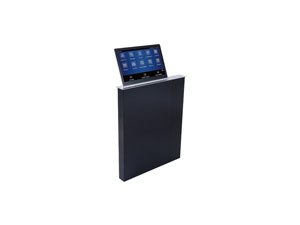
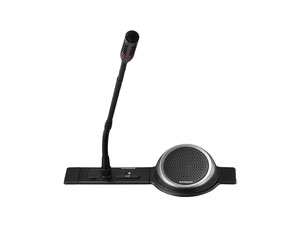
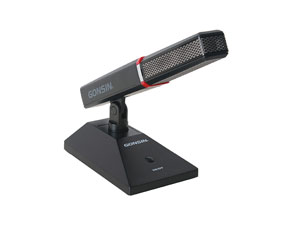
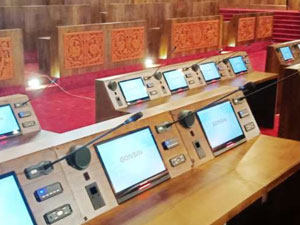
A booth must accommodate more than chairs and interpreters. Typical equipment includes interpreter consoles, microphones, headphones, and monitoring devices. Depending on the installation, additional displays or document space may also be needed.
The layout should allow interpreters to operate the equipment without obstructing one another. Cable routing, ventilation openings, door access, and equipment maintenance must also be considered during planning.
How to Determine Suitable Interpretation Booth Dimensions
There is no single dimension that is appropriate for every interpretation booth. Requirements depend on the booth's capacity, design, intended use, and applicable standards.
As a starting point, project planners should evaluate the following factors.
Internal Floor Area
Measure the usable internal floor area rather than relying only on the booth's external dimensions. Wall thickness, door construction, and built-in equipment can reduce the available working space.
The floor plan should show interpreter seating, consoles, access routes, and any required storage or equipment positions. For two-person booths, ensure both interpreters can work comfortably without restricting movement.
Height and Viewing Requirements
Booth height must accommodate the intended users and equipment while supporting effective ventilation and a suitable viewing arrangement. Interpreters may need to monitor the speaker, presentation screens, or meeting proceedings.
Window placement and viewing angles should be considered together with the room's seating layout. Reflections, obstructions, and poor sightlines can make it harder to follow the event.
Door Access and Ventilation
The booth should allow interpreters to enter and leave safely. Doors must not obstruct the workspace or compromise the intended acoustic performance.
Ventilation is particularly important because interpreters may remain inside the booth for extended periods. The system should provide suitable airflow without introducing excessive background noise into the working environment.
For formal projects, verify the required booth configuration and dimensions against the relevant current standards and the specifications of the selected manufacturer.
Acoustic and Technical Requirements Beyond Dimensions
Correct sizing alone does not guarantee a suitable interpretation environment. Acoustic performance and system integration are equally important.
Sound Insulation and Background Noise
The booth should reduce distracting sounds from the audience, adjacent rooms, and venue activities. At the same time, ventilation and installed equipment should not create excessive noise inside the workspace.
Acoustic requirements should be considered during product selection and installation rather than addressed only after the booth has been assembled.
Interpreter Consoles and Audio Distribution
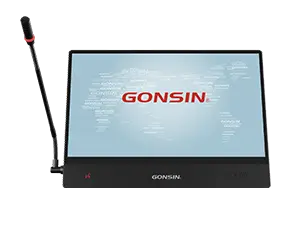
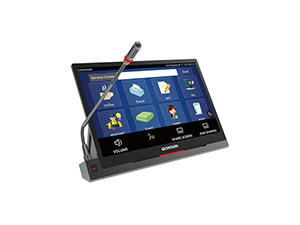
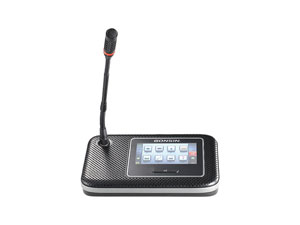
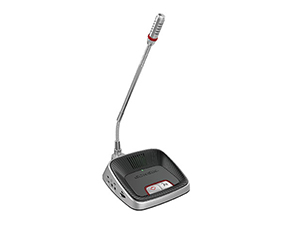
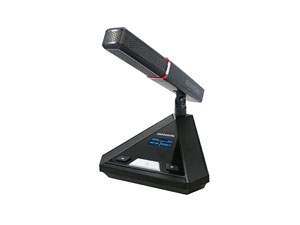
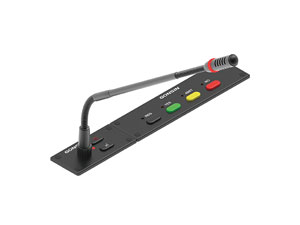
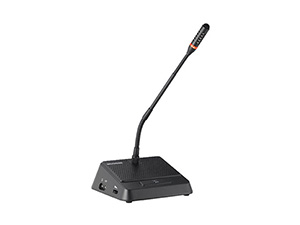
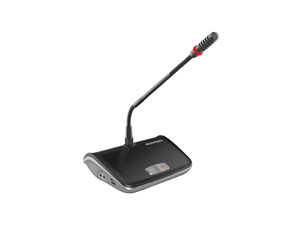
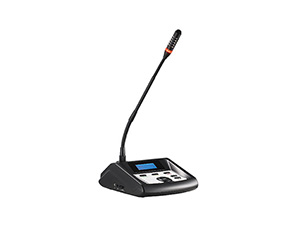
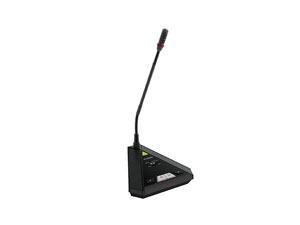
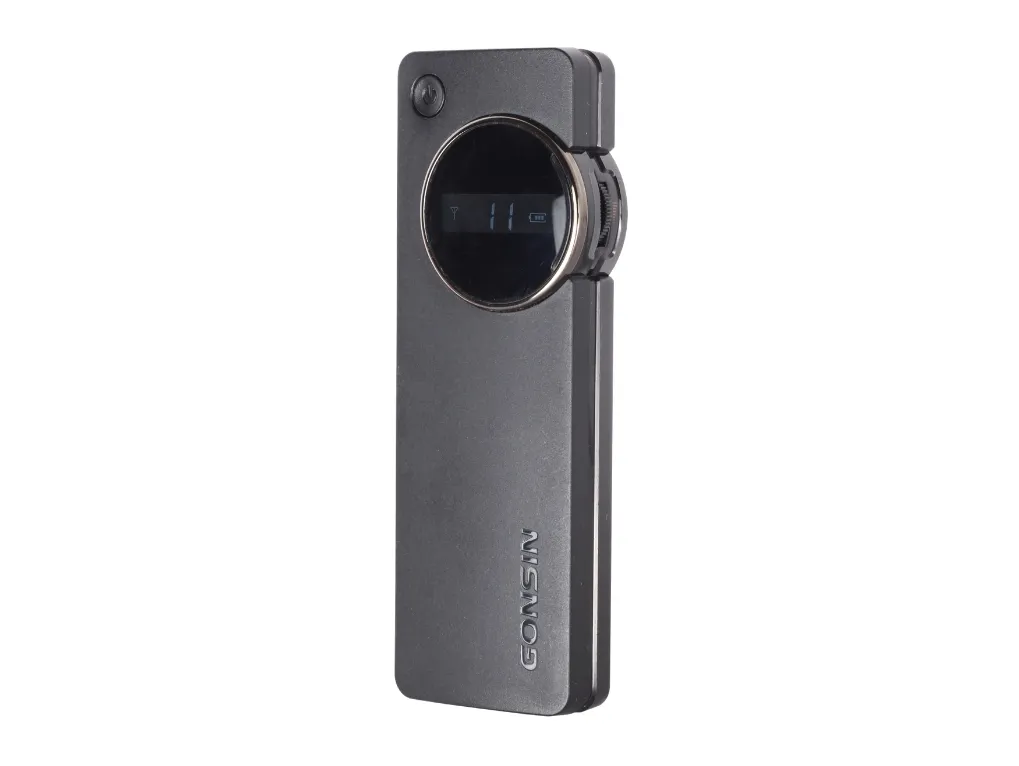
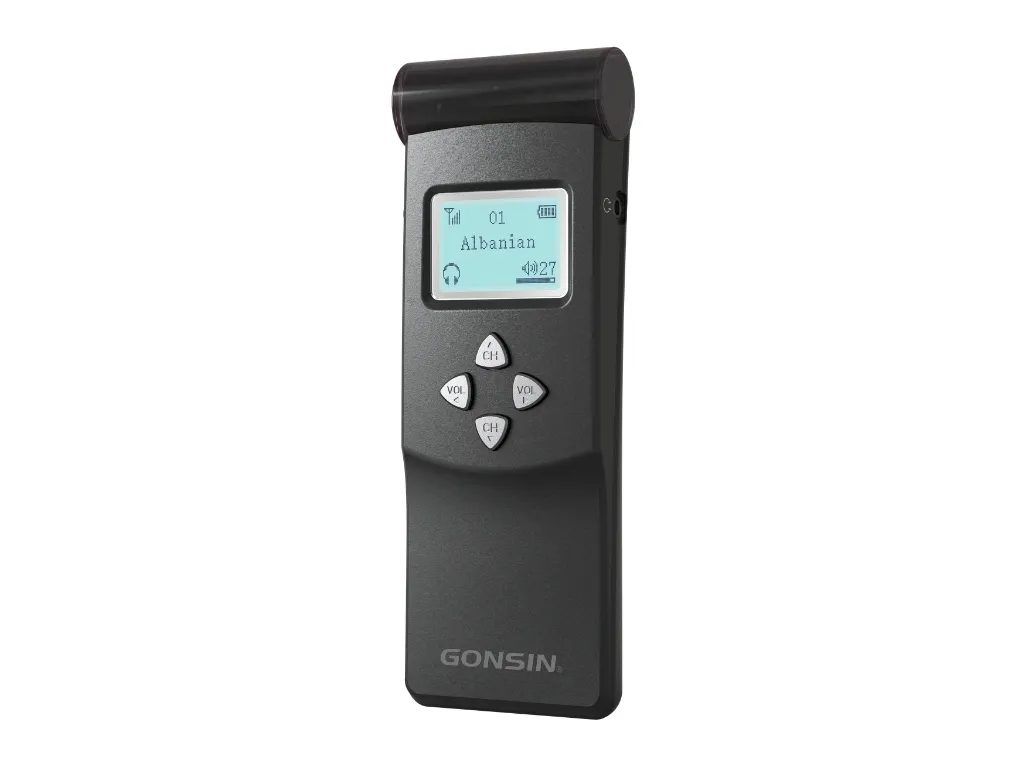
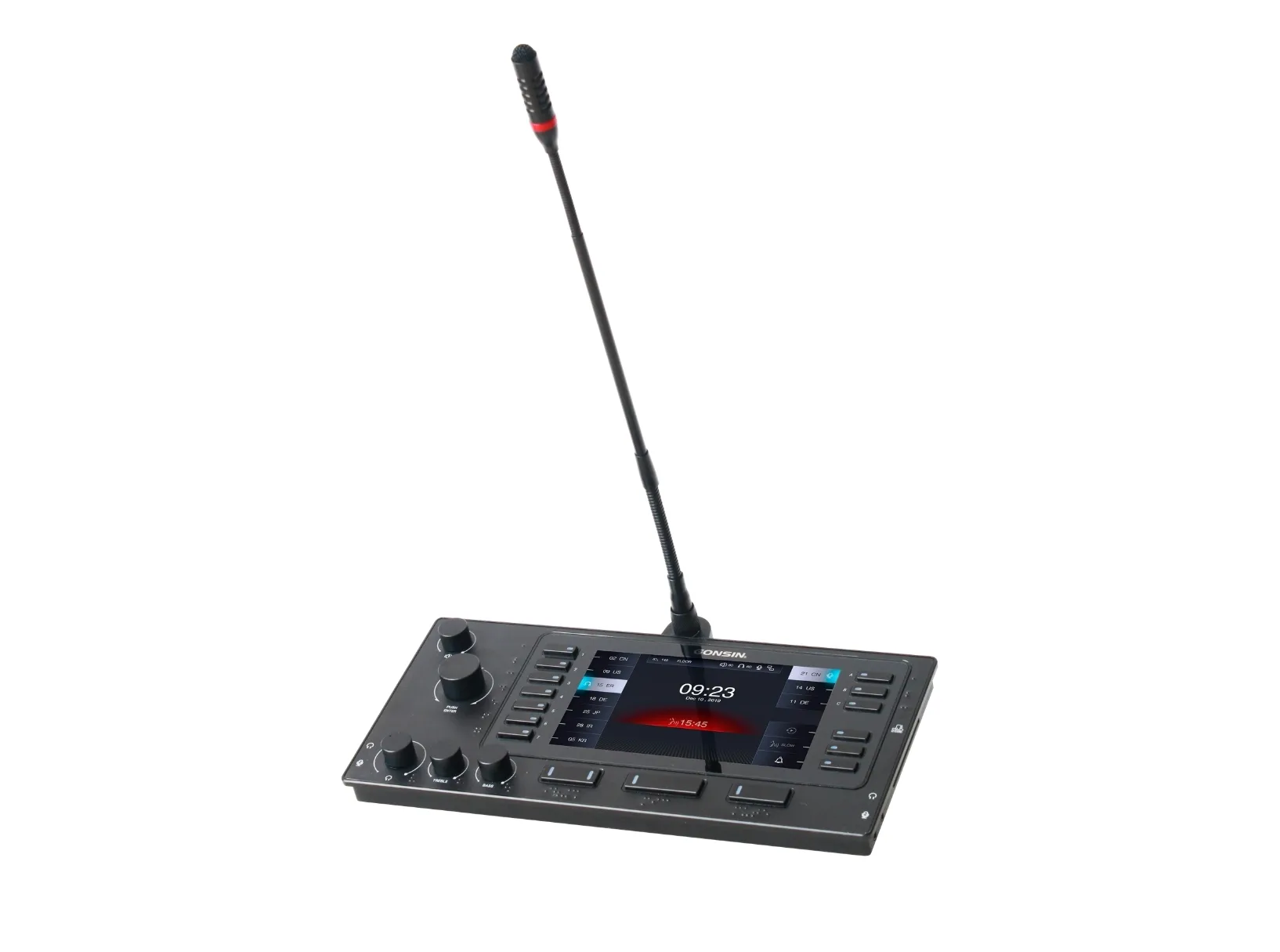
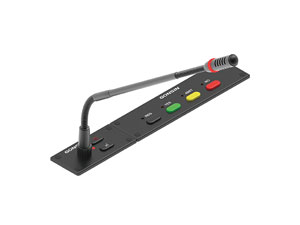
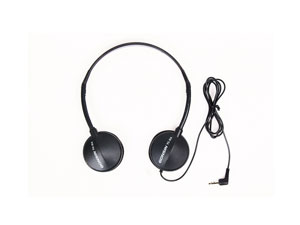
An interpreter console enables interpreters to monitor the source language and select the appropriate output language channel, depending on the system configuration. Headphones and microphones are also essential components of the workflow.
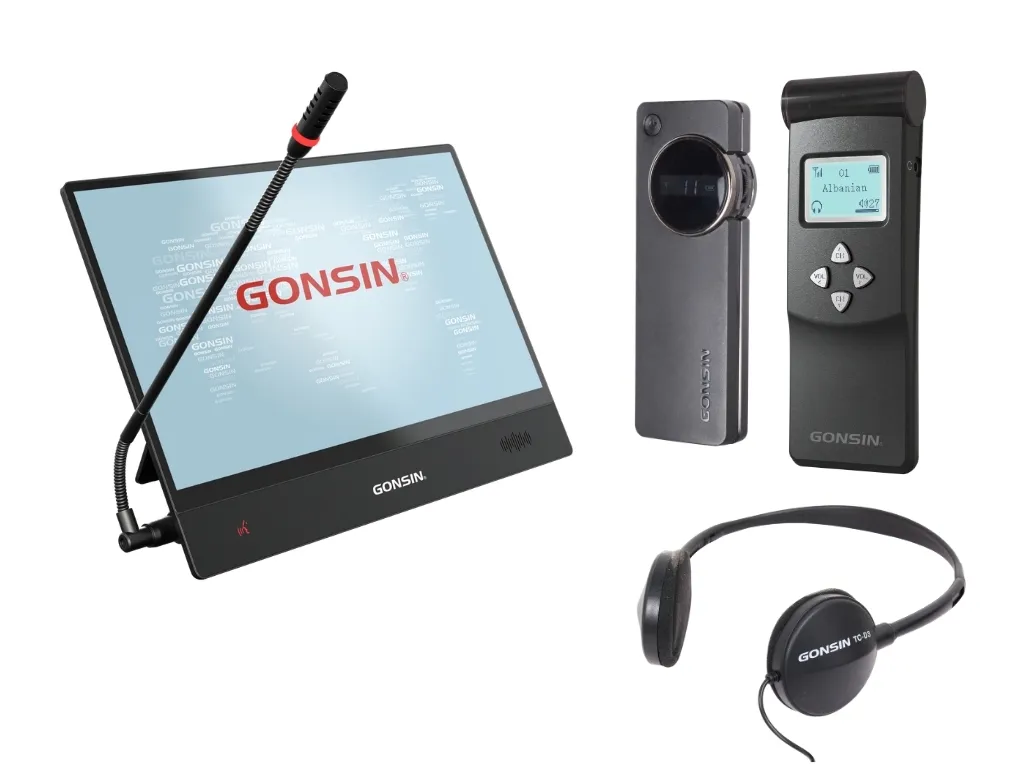
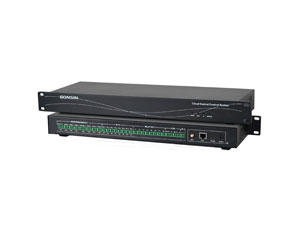
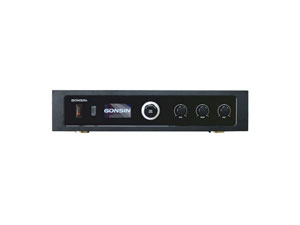
A complete simultaneous interpretation system may include interpreter consoles, a central control unit, audio distribution equipment, and receivers for delegates. The equipment must be compatible and configured to support the languages and channels required by the event.
When planning interpretation booth dimensions, buyers should therefore evaluate the booth and the interpretation equipment as one coordinated solution.
Standards and Project Compliance
International conference projects may have specific requirements for booth construction, acoustic isolation, ventilation, visibility, and working conditions. These requirements can vary according to the venue, application, and applicable standard.
Procurement teams should request the relevant technical documentation and confirm compliance before finalizing the design. Avoid assuming that a booth is compliant solely because its external dimensions match a familiar configuration.

How to Choose an Interpretation Booth for Your Venue
A structured procurement process can help avoid costly design changes.
First, identify the number of working interpreters, required languages, and expected event duration. Next, assess whether a fixed or portable booth is more appropriate for the venue.
Then review the available floor space, viewing angles, ventilation arrangements, acoustic requirements, and equipment layout. Confirm the compatibility of the booth with the planned interpreter consoles and the venue's audio distribution system.
Finally, request dimensioned drawings, technical specifications, installation instructions, and relevant compliance documentation from the supplier.
For conference centers and international event venues, coordinating booth planning with the broader interpretation equipment procurement process can improve installation efficiency and long-term usability.
Conclusion
Suitable interpretation booth dimensions depend on interpreter capacity, equipment layout, venue conditions, and applicable technical requirements. A well-planned booth should provide adequate working space, effective acoustic isolation, appropriate ventilation, and a clear view of the meeting proceedings.
Rather than choosing a booth based on dimensions alone, project planners should evaluate the physical enclosure and the complete interpretation system together. This approach helps create a practical working environment for interpreters while supporting reliable multilingual communication at conferences and other professional events.
FAQs
1. What determines the dimensions of an interpretation booth?
The main factors include the number of interpreters, internal workspace, equipment requirements, ventilation, viewing arrangements, and applicable technical standards.
2. Are portable interpretation booths suitable for professional conferences?
Yes, portable booths can be suitable when their acoustic performance, working space, ventilation, and equipment compatibility meet the requirements of the venue and event.
3. What equipment should fit inside an interpretation booth?
Typical equipment includes interpreter consoles, microphones, headphones, and monitoring equipment. The exact configuration depends on the interpretation system and project requirements.
4. Why is ventilation important in an interpretation booth?
Interpreters may work inside an enclosed booth for extended periods. Appropriate ventilation supports a comfortable working environment, while careful system design helps prevent excessive background noise.
5. Do interpretation booths need to comply with specific standards?
Requirements depend on the project, venue, and applicable regulations or technical standards. Buyers should confirm the relevant requirements and request supporting documentation from the manufacturer or supplier.



 اللغة العربية
 Español
 Français
 Pусский
 简体中文