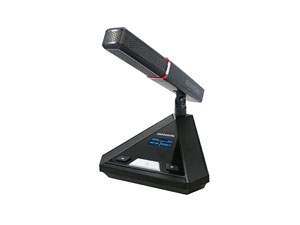
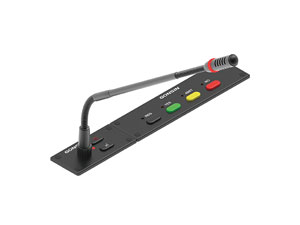
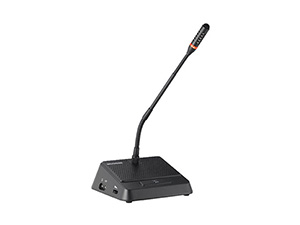
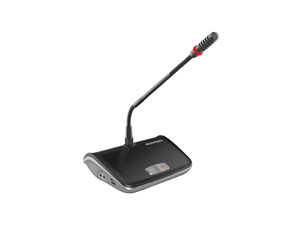
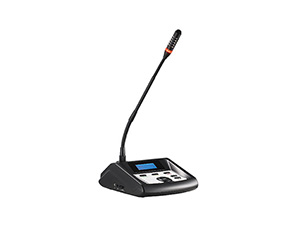
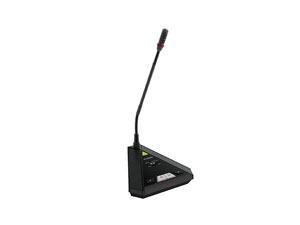
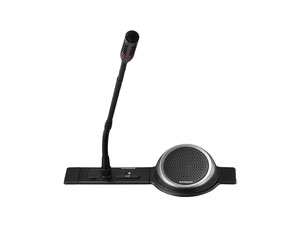
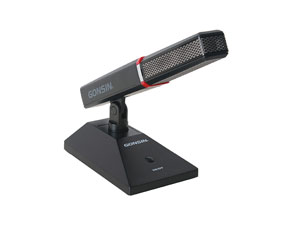
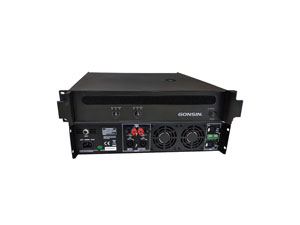
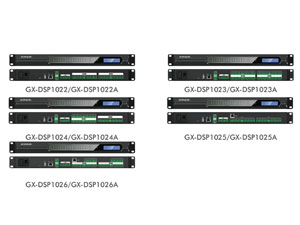
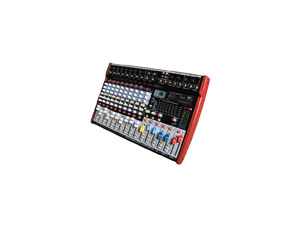
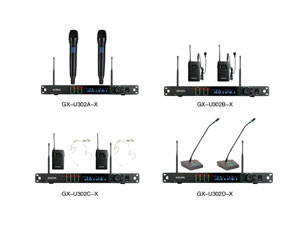
A professional audiovisual (AV) system often includes mixers, amplifiers, conference microphones, loudspeakers, displays, and signal processors. Although each device performs a specific function, they must work together reliably to deliver clear sound and stable performance. One important but sometimes overlooked part of system design is controlling the order in which equipment powers on and shuts down.
A power supply sequencer helps manage this process by switching connected devices on and off in a predefined sequence. For conference rooms, government meeting facilities, auditoriums, and integrated AV installations, proper power sequencing can simplify daily operation, reduce switching disturbances, and support more consistent system management.
What Is a Power Supply Sequencer?
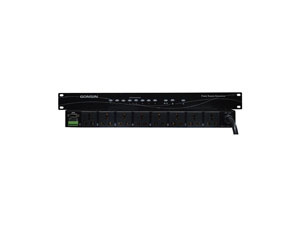
A power supply sequencer is a device designed to control the power-up and power-down order of connected equipment. Instead of switching every device on simultaneously, it activates individual outlets or groups of outlets according to a configured sequence.
This approach is particularly useful in professional AV environments where multiple devices are connected to the same power distribution system. Certain equipment, such as signal processors and audio sources, may need to become operational before power amplifiers are activated. During shutdown, reversing the sequence can help prevent unwanted sounds from reaching the loudspeakers.
Depending on the model, a sequencer may provide timed outlet activation, centralized control, remote operation, or integration with other control equipment. Buyers should verify these capabilities against the product specifications rather than assume every model supports the same functions.

Why Does Power Sequencing Matter in AV Installations?
1. Reduce Switching Noise in Audio Systems
When multiple audio devices start or stop simultaneously, electrical transients or signal interruptions can sometimes produce clicks, pops, or other unwanted sounds. These disturbances may be especially noticeable in systems connected to high-power amplifiers and loudspeakers.
A properly configured startup sequence allows source devices and signal processors to stabilize before the amplifiers are activated. During shutdown, the amplifiers can be switched off before upstream audio equipment.
Power sequencing does not eliminate every possible source of noise, but it can help reduce switching-related disturbances when the system is designed and configured correctly.
2. Simplify Daily Equipment Operation
Large conference facilities may contain dozens of interconnected devices. Requiring staff to operate every power switch individually increases the likelihood of missed steps and inconsistent procedures.
A centralized sequencing arrangement makes startup and shutdown more repeatable. Depending on the system configuration, authorized operators may be able to initiate a coordinated process from a central location.
This is particularly valuable for meeting rooms used by different teams, where reliable and straightforward operation is essential.
3. Support More Consistent System Management
Following a predefined power sequence can reduce operational mistakes, such as activating amplifiers before signal-processing equipment is ready. It also helps technical staff establish standardized procedures for routine operation.
However, a power supply sequencer should not be confused with a voltage regulator, surge protective device, or uninterruptible power supply (UPS). These devices serve different purposes, and some installations may require several complementary power-management components.
How to Configure a Power Sequencing System for AV Equipment
The correct sequence depends on the equipment installed, the manufacturer's instructions, and the system's control architecture. A typical audio installation may follow these principles:
Step 1: Activate control and source equipment. Start the control system, audio sources, and other devices required to establish the signal path.
Step 2: Activate signal-processing equipment. Allow digital signal processors, audio mixers, and related components to initialize before enabling the power amplifiers.
Step 3: Activate power amplifiers. Switch on the amplifiers after upstream equipment is ready, helping reduce the risk of startup disturbances reaching the loudspeakers.
Step 4: Reverse the sequence during shutdown. Switch off the amplifiers first, followed by signal processors and source equipment, where appropriate.
These steps are a general guideline rather than a universal configuration. Networked equipment, digital conferencing systems, and installations with automatic control may require a different sequence. Always follow the relevant equipment manuals and verify the timing requirements during commissioning.
What Should Buyers Look for in a Power Supply Sequencer?
Selecting the right device requires more than counting the available outlets. System integrators and procurement teams should consider several practical factors.
Outlet Capacity and Electrical Ratings
Check the number of controlled outlets, supported voltage, current ratings, and total connected load. Confirm that each outlet and the device as a whole can safely support the equipment assigned to it. High-power amplifiers may have significant startup current, so their requirements should be assessed carefully.
Sequencing Flexibility
Determine whether the device supports the required switching order and delay intervals. Independent outlet control can be useful when the installation contains equipment with different startup requirements.
Control and Integration
For larger installations, consider whether the sequencer supports the required local controls, remote operation, or integration with the existing AV control system. Compatibility should be confirmed before purchase.
Installation and Maintenance
Evaluate the enclosure, mounting method, wiring requirements, operating environment, and accessibility for maintenance. Clear labeling and documented switching procedures can also make future troubleshooting easier.
When comparing a power supply sequencer with other power-management equipment, focus on the actual functions required by the installation rather than relying on product names alone.
Where Are Power Supply Sequencers Commonly Used?
Power sequencing is useful in a range of professional AV environments.
Conference rooms and boardrooms: Coordinate microphones, mixers, processors, and amplifiers to support predictable meeting-room operation.
Auditoriums and conference halls: Manage larger audio installations with multiple amplifiers and signal-processing components.
Government and institutional facilities: Establish standardized operating procedures for frequently used meeting spaces.
Integrated AV control rooms: Coordinate equipment activation as part of a broader system-management workflow.
For projects involving centralized conference audio, public address equipment, and digital control, integrators should assess the power-management requirements alongside the overall AV system design.
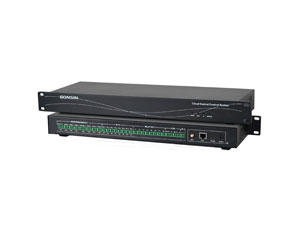
A dedicated power supply sequencer IC is a different concept: it generally refers to an integrated circuit used to coordinate power rails within electronic equipment. It should not be confused with a standalone rack-mounted sequencer used to control AV devices.
Conclusion
A power supply sequencer is a practical component of professional AV system design. By coordinating the startup and shutdown of connected equipment, it can help reduce switching-related audio disturbances, simplify daily operation, and establish more consistent operating procedures.
The best solution depends on the connected load, required switching order, control interfaces, and installation environment. Before purchasing, system integrators should verify electrical ratings, sequencing functions, compatibility, and safety requirements.
For conference rooms, auditoriums, and integrated audiovisual projects, choosing appropriate power-management equipment can contribute to a more reliable and manageable installation.
FAQs
1. What is the main purpose of a power supply sequencer?
Its main purpose is to switch connected equipment on and off in a predefined order, helping coordinate system startup and shutdown.
2. Does a power supply sequencer protect equipment from power surges?
Not necessarily. Sequencing controls the order of power switching, while surge protection addresses transient overvoltage. Additional protection may be required depending on the installation.
3. Why should audio amplifiers turn on last?
Turning amplifiers on after upstream audio equipment has initialized can help reduce the risk of startup clicks and pops reaching loudspeakers. The recommended order should always be checked against the equipment manufacturer's instructions.
4. How many devices can one power supply sequencer control?
The number depends on its outlet count, electrical ratings, connected load, and sequencing capabilities. The total load must remain within the device's specified limits.
5. Is a power supply sequencer necessary for every conference room?
Not every installation requires a dedicated sequencer. Small systems may use simpler arrangements, while larger rooms with multiple amplifiers, processors, and controlled devices can benefit more from coordinated power management.
Explore GONSIN Conference Solutions
Continue with the GONSIN systems that match your room and use case:
Next step: Request a quote or book a solution design session with a GONSIN specialist; you can also download the conference microphone system specification sheet (PDF).
Related reading: Signal Processing Equipment: Power Supply Sequencer · Usage and Precautions of the Power Supply Sequencer



 اللغة العربية
 Español
 Français
 Pусский
 简体中文