 اللغة العربية
 Español
 Français
 Pусский
 简体中文



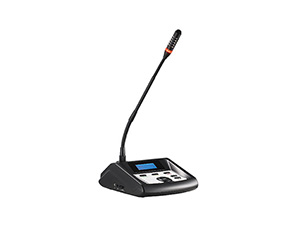
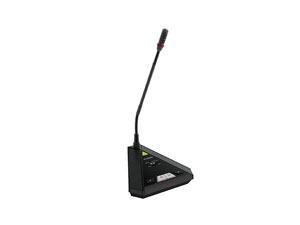
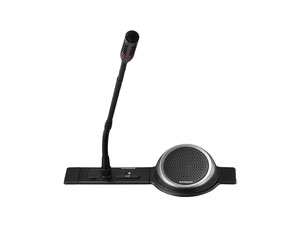
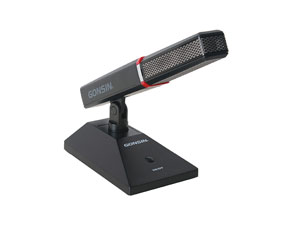


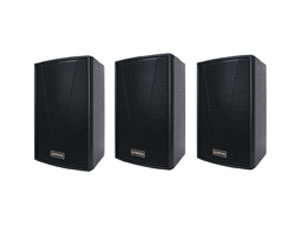
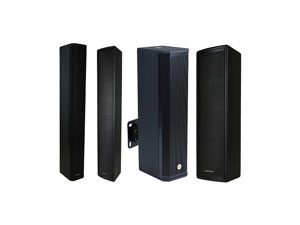
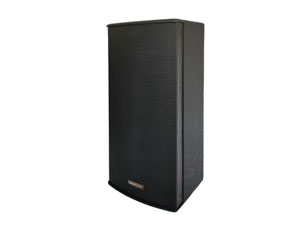
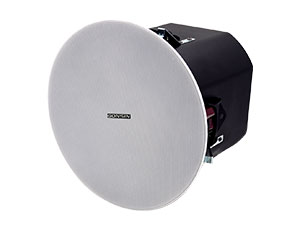
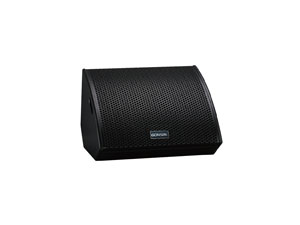
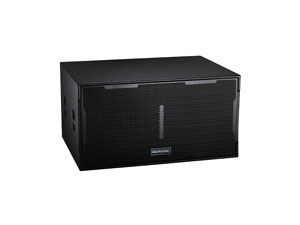
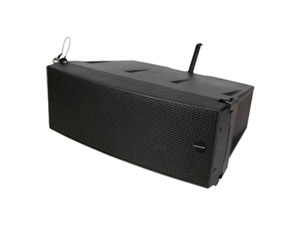
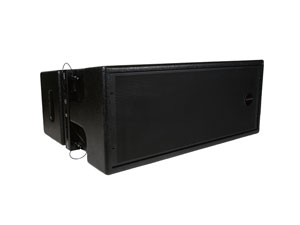
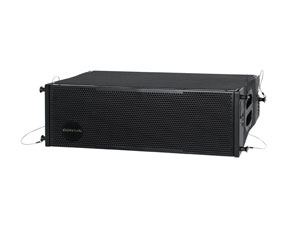
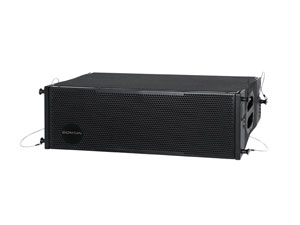
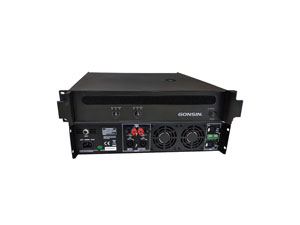
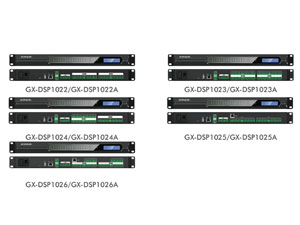
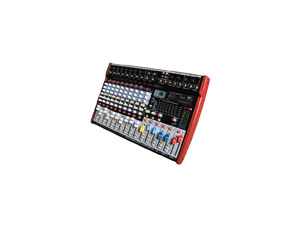
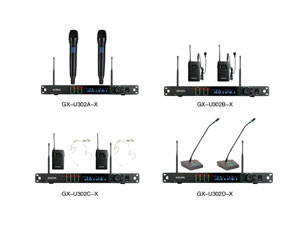
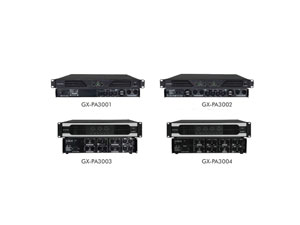
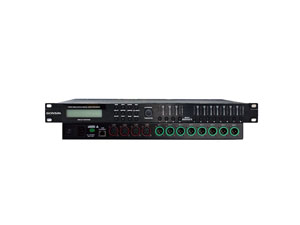
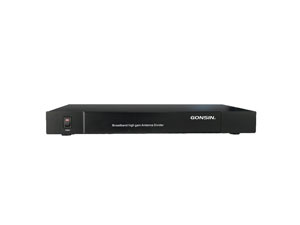
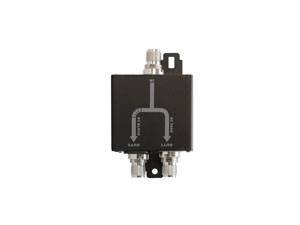
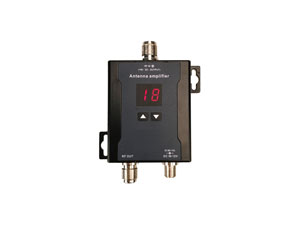
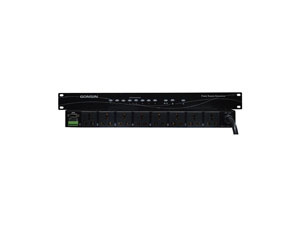
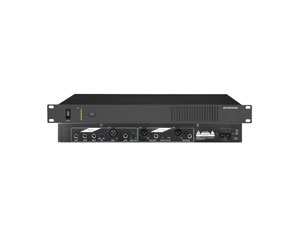
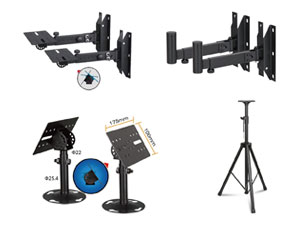
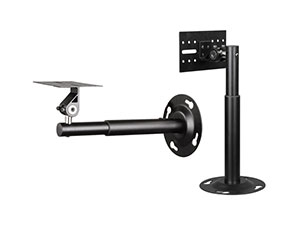

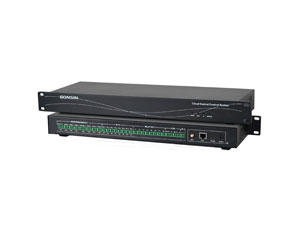





An engineered sound reinforcement system utilizing premium 10 inch line array speakers solves these coverage bottlenecks by exploiting the principles of line-source behavior. Unlike standard speakers that disperse sound spherically, a properly aligned vertical array projects sound wave-fronts cylindrically. This targeted dispersion pattern significantly reduces vertical sound spill and limits acoustic energy loss over distance, delivering clean, intelligible, and balanced audio to every listener in the room.
Why Educational Institutions and Commercial Venues Need Video Matrix Systems
A dual 10-inch system acts as the sweet spot in professional sound reinforcement, offering a perfect balance between high acoustic output and physical footprint. Smaller single-driver cabinets often lack the mid-bass presence required to fill wide spaces, while massive dual 12-inch systems are frequently too heavy, visually intrusive, and costly for indoor multi-functional venues.
By housing two 10-inch low-frequency drivers alongside high-frequency compression drivers within a precisely angled cabinet, 10 inch line array speakers achieve tight horizontal directivity control. The physical layout allows the speaker to throw sound further into deep seating areas while preventing acoustic energy from bouncing off high ceilings or reflective side walls. Whether configured for an academic lecture hall, a corporate multi-purpose space, or an upscale hotel banquet facility, this physical setup minimizes reverberation and maximizes direct sound arrival.
Achieving Full-Range Response: The Critical Acoustic Synergy Between Line Arrays and Subwoofers
While medium-sized line arrays provide exceptional mid-to-high frequency performance and vocal clarity, capturing the full emotional impact of music or cinematic media requires a dedicated low-frequency foundation. Integrating a matching bass-reflex subwoofer is essential for establishing a cohesive, full-range sound reinforcement system.
This integration relies on smooth frequency crossover and phase alignment. Because a standard 10-inch cabinet is naturally tuned to handle vocal ranges and upper-bass punch, pairing it with a high-power reflex subwoofer allows the array to offload the demanding sub-bass frequencies. When evaluating system designs, integrators often choose between traditional passive setups and self-contained powered line array speakers. Regardless of the amplifier location, matching the array with a reflex cabinet design utilizes tuned ports to redirect the rear wave of the internal woofer cone, multiplying low-end efficiency and delivering deep, rich bass across any venue layout.
Overcoming Distance Attenuation: How Advanced HF and LF Drivers Maintain Sound Pressure Level
In large-scale venues, sound pressure level (SPL) drops rapidly as distance increases from a single speaker source. In acoustic physics, this drop-off can make speech sound muddy and distant. High-performance line arrays combat this attenuation by utilizing highly efficient compression drivers and high-penetration low-frequency cones.
| Speaker Component | Acoustic Role | System Performance Benefit |
|---|---|---|
| Dual High-Frequency Drivers | Handles upper mids to high-frequency transients. | Maintains vocal crispness and high-end detail even over long distances. |
| Dual 10-Inch Low-Frequency Drivers | Represents the core mid-bass and low-mid spectrum. | Delivers high sound pressure levels with deep acoustic penetration. |
| Two-Way Passive Crossover | Filters and splits frequencies to the appropriate drivers. | Ensures clean driver separation and prevents mid-range distortion. |
| Matched Bass-Reflex Subwoofer | Reproduces deep sub-bass frequencies. | Fills out the bottom end, ensuring a powerful and balanced full-range response. |
The combination of dual high-frequency and low-frequency components allows the array cabinet to handle high input power while maintaining low distortion. The high-frequency wave-guides shape the treble into a narrow vertical beam, projecting crisp vocal consonants straight to the back row without fading into background ambient noise.
Minimizing Room Reflections: Directivity Control in Diverse Application Environments
A key advantage of a professional line array system is its ability to adapt to complex architectural spaces. Unlike conventional speakers that flood a room with uncontrolled acoustic energy, a vertical array allows system integrators to mechanically angle (splay) each cabinet. This ensures sound is directed precisely at the audience seats, keeping it away from reflective hard surfaces like glass windows, concrete walls, or metal ceilings.
This precise directivity control makes these line arrays highly adaptable across a wide range of real-world scenarios:
University Auditoriums & Academic Halls: Keeps complex lecture presentations and academic panel discussions perfectly clear, preventing muddy echo in high-ceiling spaces.
Corporate Multi-Functional Rooms: Delivers natural-sounding speech alongside high-impact musical reproduction for corporate galas and shareholder assemblies.
Hotel Ballrooms & Banquet Facilities: Provides a low-profile, elegant visual appearance while adapting quickly to variable room layouts and partition walls.
Outdoor Plazas & Courtyards: Offers long-throw capabilities with high wind resistance, ensuring speech and music remain fully legible across wide spectator areas.
Why Leading System Integrators Trust Gonsin Audio Solutions
For system integrators, AV consultants, and procurement managers, choosing a professional audio platform goes beyond reviewing standalone speaker datasheets. True performance depends on how cleanly the speakers, mounting hardware, and processing units interface with the building's complete multimedia infrastructure.
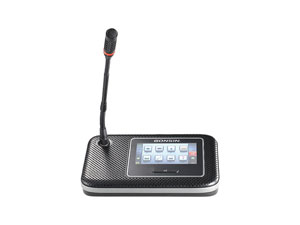
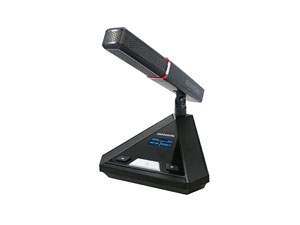
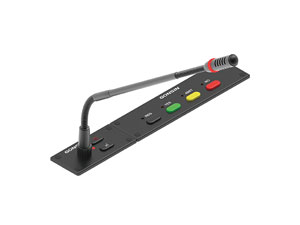
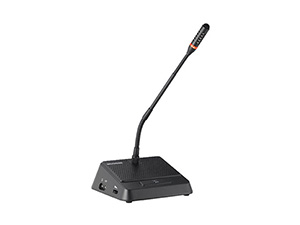
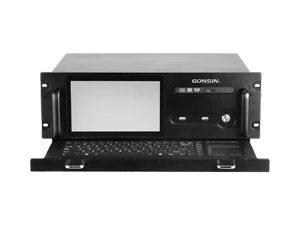
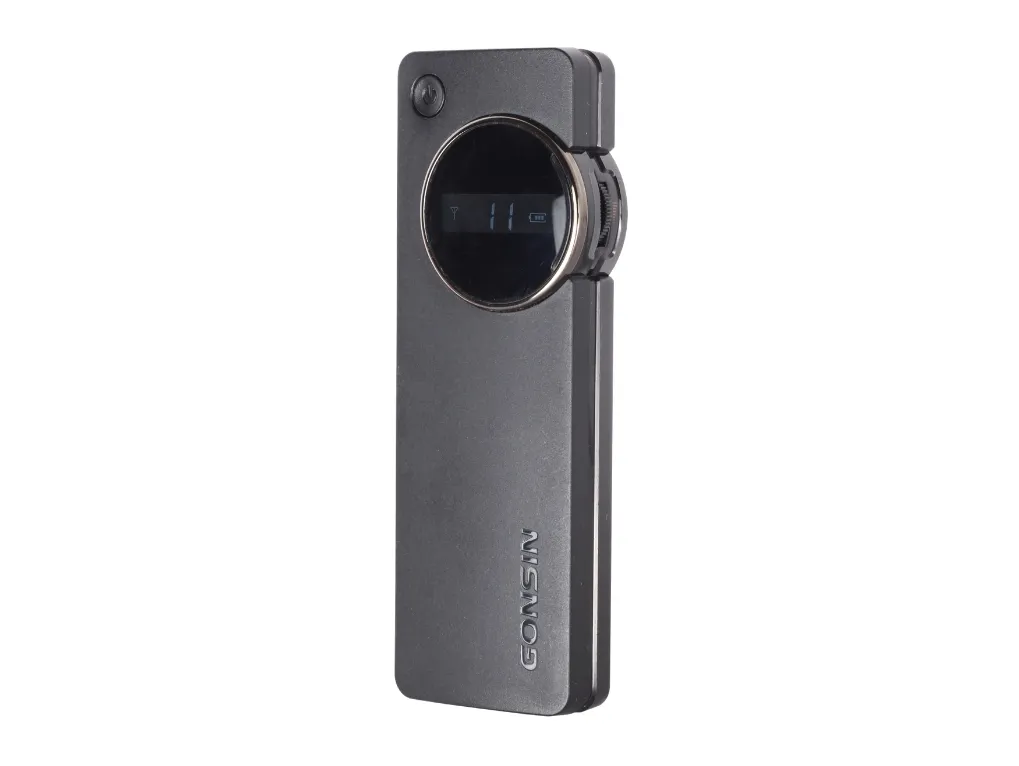
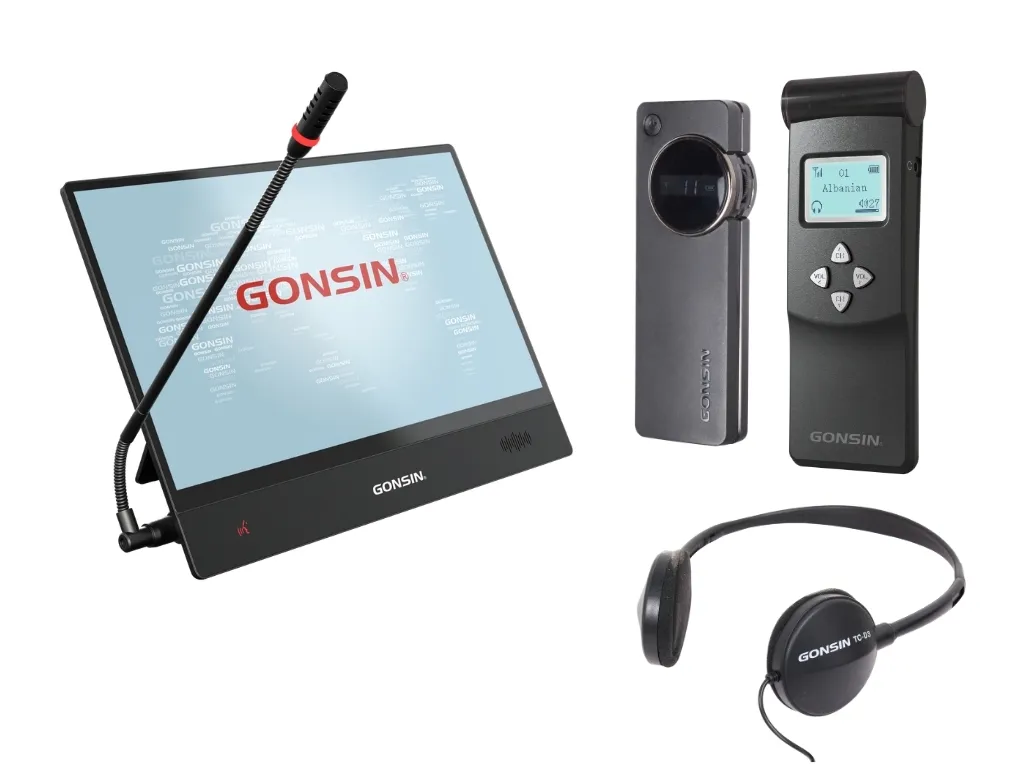
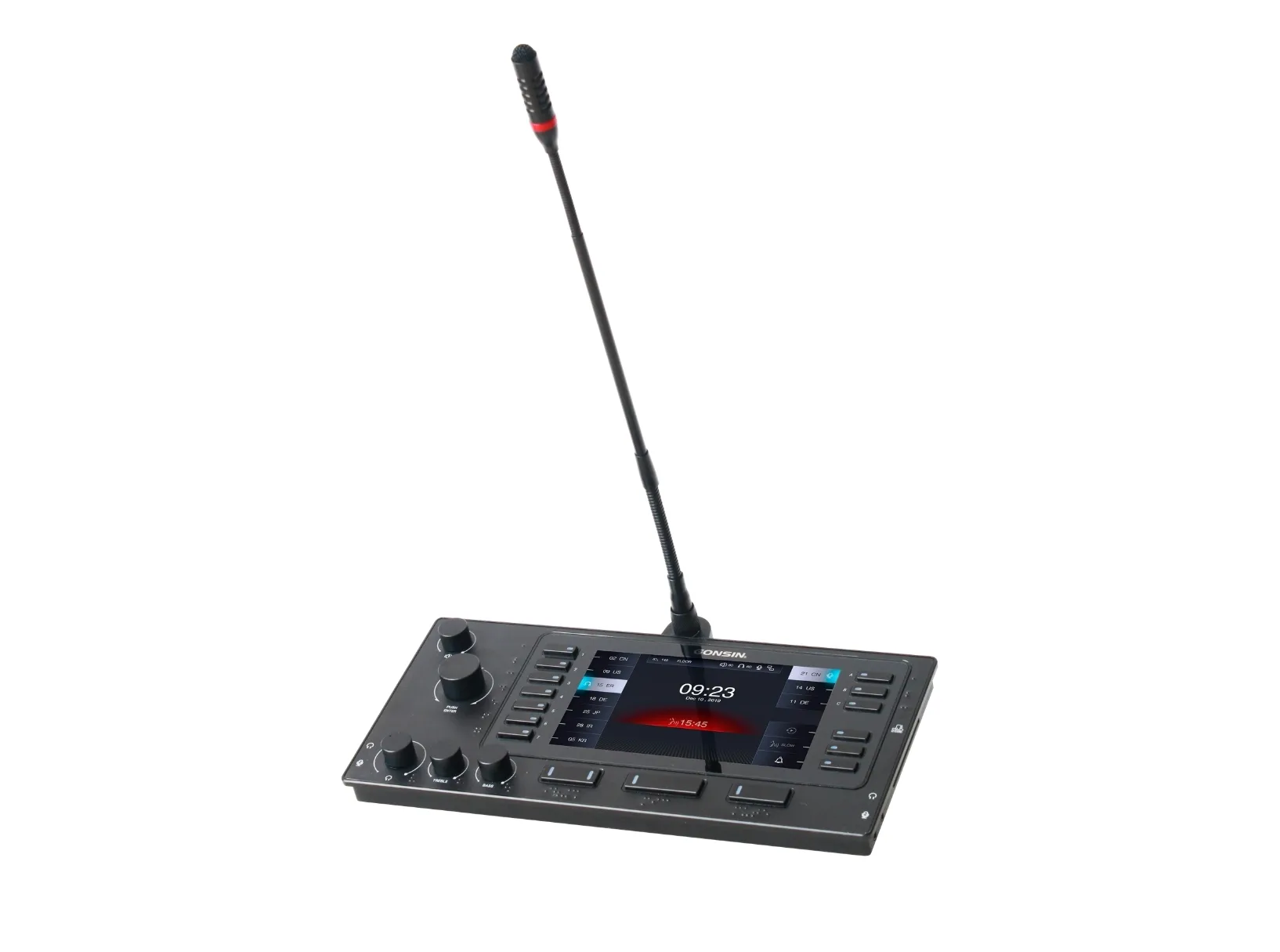
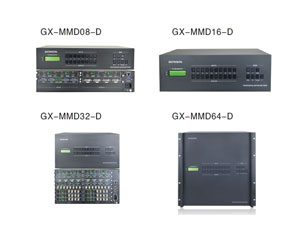
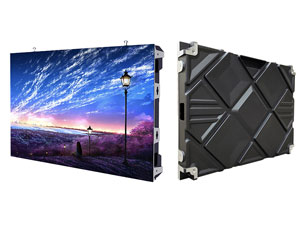
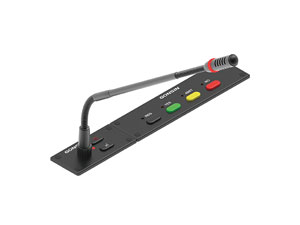
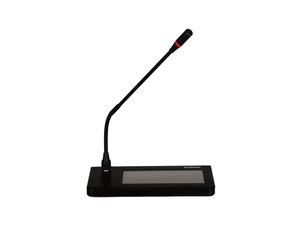
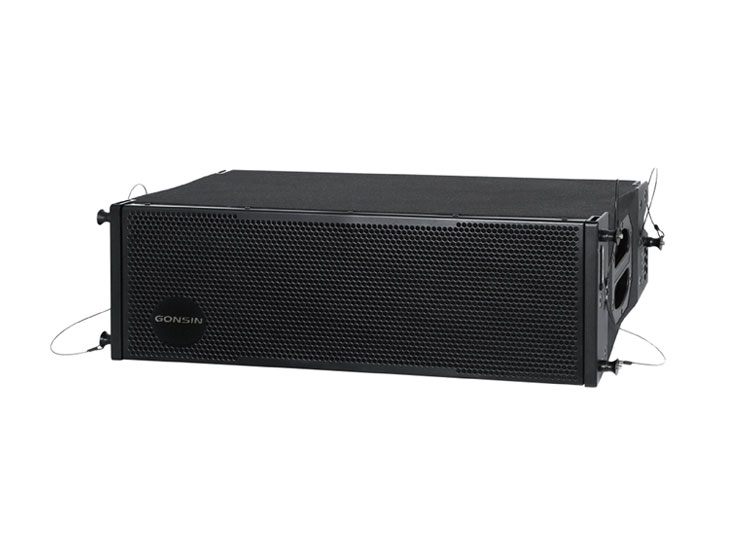
The GONSIN GX-SP2010DL-Z dual 10-inch line array speaker, paired with the GX-SP2018SSBC-Z matching subwoofer, represents a masterclass in professional acoustic engineering. Designed with an elegant cabinet structure and superb exterior finishing, this series blends seamlessly into modern architectural environments. For systems requiring active amplification, integrating powered line array speakers with our industry-leading GONSIN Audio Video Systems allows venues to deploy a fully unified audio chain—spanning from the discussion microphone to the line array output. This end-to-end synergy ensures high sound pressure, remarkable vocal fidelity, and long-term system stability.
Discover how our complete audio-visual portfolios can transform your upcoming facility integration. We invite you to Contact GONSIN today to receive customized system layout support, structural rigging designs, and wholesale procurement quotes from our regional application specialists.
Conclusion
Achieving pristine sound coverage across large, acoustically challenging spaces requires a strategic approach to speaker physics. A professional line array system, supported by matched bass-reflex subwoofers, provides the directivity, high sound pressure levels, and wide frequency response needed to satisfy both speech intelligibility and musical requirements. Investing in a scalable, high-efficiency line array layout ensures that every listener, regardless of where they sit, experiences absolute acoustic clarity.
FAQ
1. What are the main benefits of using 10 inch line array speakers over standard point-source speakers?
A system of 10 inch line array speakers provides superior vertical directivity control, longer sound projection distance, and a much more even volume distribution throughout a venue, minimizing harsh hot spots and quiet dead zones.
2. Why is a bass-reflex design preferred for matching line array subwoofers?
The bass-reflex cabinet design utilizes tuned acoustic ports to redirect internal sound pressure, maximizing low-frequency output efficiency and ensuring a more abundant, deep, and powerful bass response.
3. Should I choose passive systems or powered line array speakers for my venue?
It depends on your infrastructure. Powered line array speakers simplify installation by housing built-in amplifiers and DSP, making them highly efficient for rapid deployment, whereas passive systems centralize amplification in an external equipment rack for easier long-term maintenance access.
4. How do I determine the correct splay angles for line array cabinets?
Splay angles are calculated during system design using acoustic simulation software. This software analyzes the venue's room dimensions, ceiling height, and audience seating to determine the optimal mechanical angles for uniform coverage.