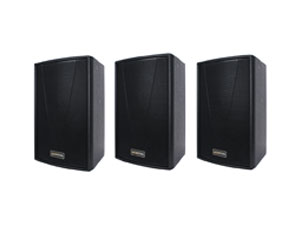
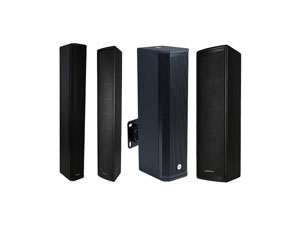
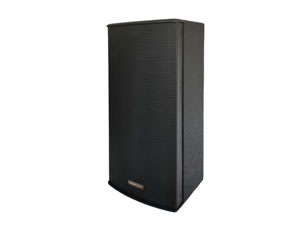
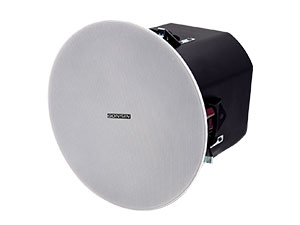
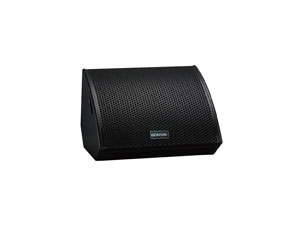
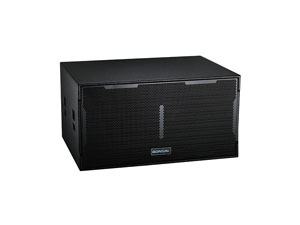
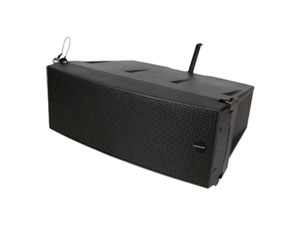
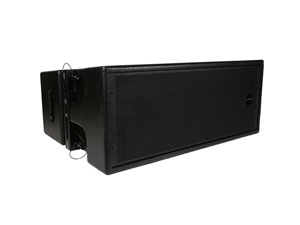
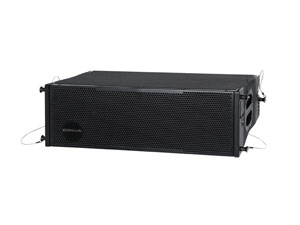
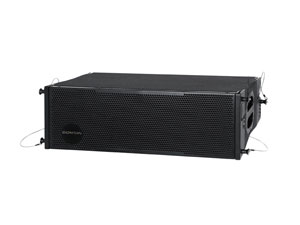
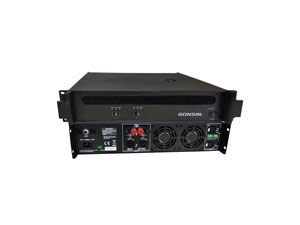
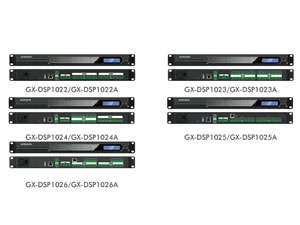
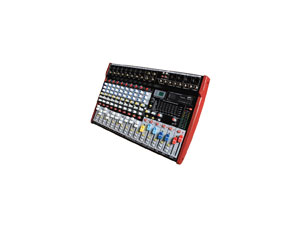
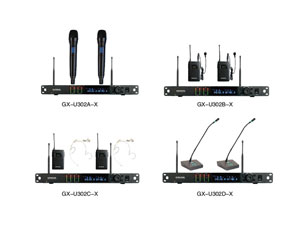
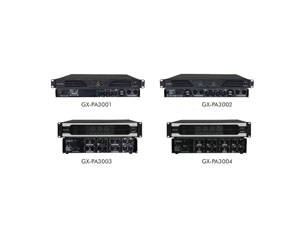
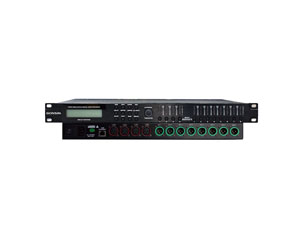
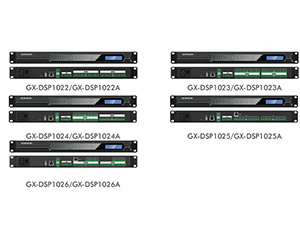
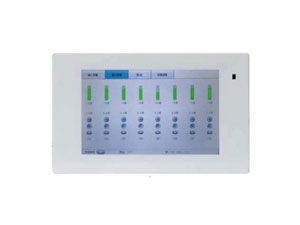
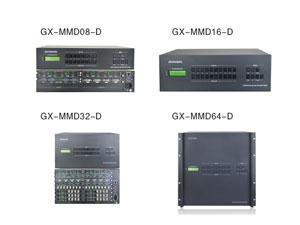
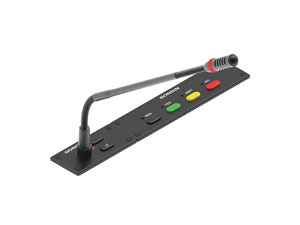
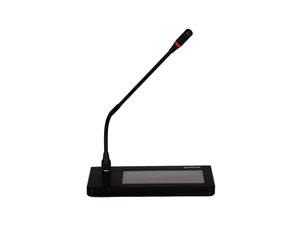
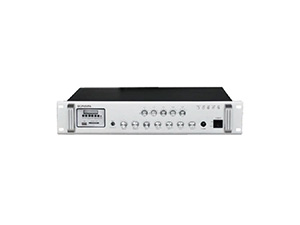
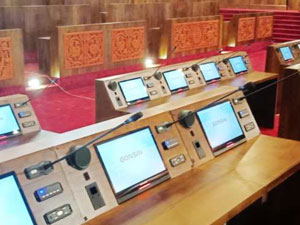
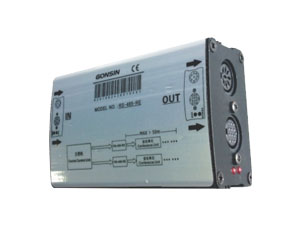
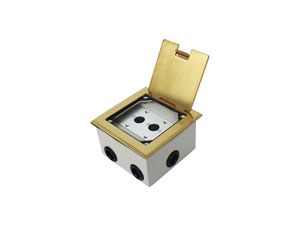
Integrated Equipment for Efficient Courtroom Audio System
A modern courtroom audio system plays a vital role in ensuring that judicial proceedings are conducted clearly, efficiently, and without interruption. Through the integration of microphones, speakers, audio processors, and recording devices, the system achieves seamless coordination between all components. The intelligent design allows each participant—from judges and lawyers to witnesses—to communicate effectively while maintaining clarity and order in the courtroom. Advanced digital signal processing ensures that every word is accurately transmitted, reducing human error and improving procedural efficiency. Integration with video systems also enables synchronized audio and visual records, supporting evidence review and digital case management in an increasingly paperless judicial environment.
Feedback Suppression for Clear and Undisturbed Proceedings
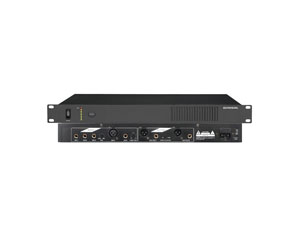
In a courtroom audio system, controlling feedback and background noise is crucial for maintaining sound integrity. Feedback suppression technology effectively eliminates unwanted echoes and acoustic interference that can arise in enclosed environments. With real-time signal monitoring, the system automatically detects and suppresses disruptive frequencies, preserving the clarity of spoken words. This not only ensures that all participants can hear clearly but also enhances the accuracy of recorded transcripts. By eliminating the distractions caused by sound distortion, courtroom operations remain professional and focused, supporting the authority and solemnity of judicial proceedings.
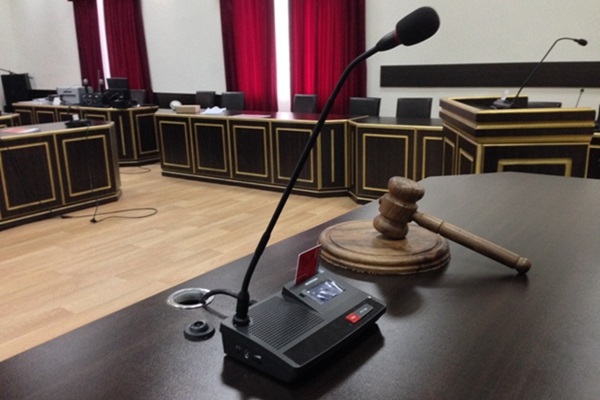
Precision Processing to Optimize Sound Quality
High-quality sound reproduction is essential to any courtroom audio system, where the accurate transmission of speech can influence the fairness and precision of legal processes. Advanced digital audio processors are used to enhance frequency balance, manage dynamic range, and filter out unwanted noise. Each microphone input is automatically adjusted to maintain consistent audio levels, ensuring that voices are clear and intelligible regardless of distance or volume. The system's precision processing capabilities guarantee that judges and clerks receive accurate and distortion-free information, supporting fair decision-making. By maintaining high-fidelity audio output, the system enhances communication and prevents misunderstandings during critical testimony and cross-examination sessions.
Stable Output and Comprehensive Coverage
The reliability of a courtroom audio system depends on its ability to provide stable performance and uniform sound distribution across the entire courtroom. The system is engineered to prevent signal drops, latency, or uneven sound coverage, even in large or acoustically complex environments. Through multi-zone control and adaptive amplification, it ensures that every section—from the bench to the public gallery—receives balanced audio output. This stability extends to long-duration hearings, where continuous operation is required without degradation in sound quality. With robust hardware design and intelligent power management, the system delivers consistency, ensuring that the judicial process proceeds without interruption or technical failure.
Digital Intelligence for Future-Ready Courtrooms
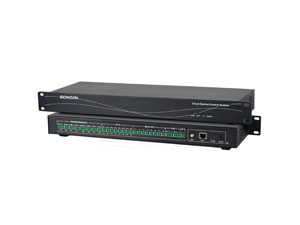
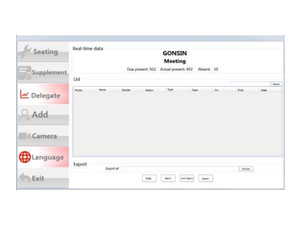
As judicial systems evolve toward digital transformation, intelligent courtroom audio systems have become indispensable for efficient administration of justice. Integrated with networked control platforms, these systems enable remote management, real-time diagnostics, and data archiving, enhancing transparency and accessibility. The adaptability of the system allows it to integrate with video conferencing and evidence presentation tools, supporting hybrid hearings and remote testimonies. Such innovation aligns with modern courtroom standards, where precision, reliability, and efficiency are paramount. By empowering judicial environments with advanced audio technology, courts can ensure that every word spoken is captured clearly, every decision is informed, and every case is handled with integrity and professionalism.



 اللغة العربية
  Español
  Français
  Pусский
  简体中文
简体中文 

.webp "FS-FHSS Wireless Simultaneous Interpretation System")
.webp "IR Simultaneous Interpretation System")
.webp "Interpreter Console")