 اللغة العربية
  Español
  Français
  Pусский
  简体中文
简体中文 

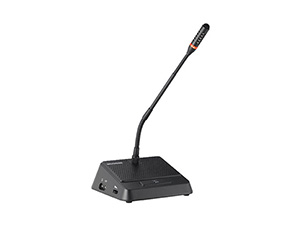
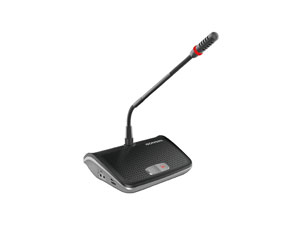
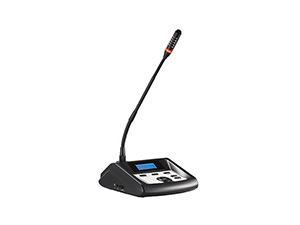
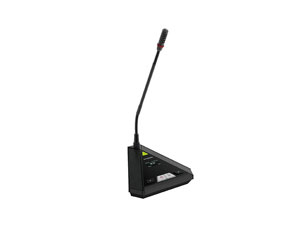
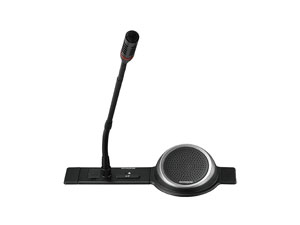
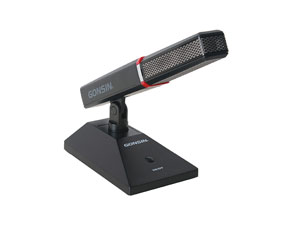
.webp "FS-FHSS Wireless Simultaneous Interpretation System")
.webp "IR Simultaneous Interpretation System")
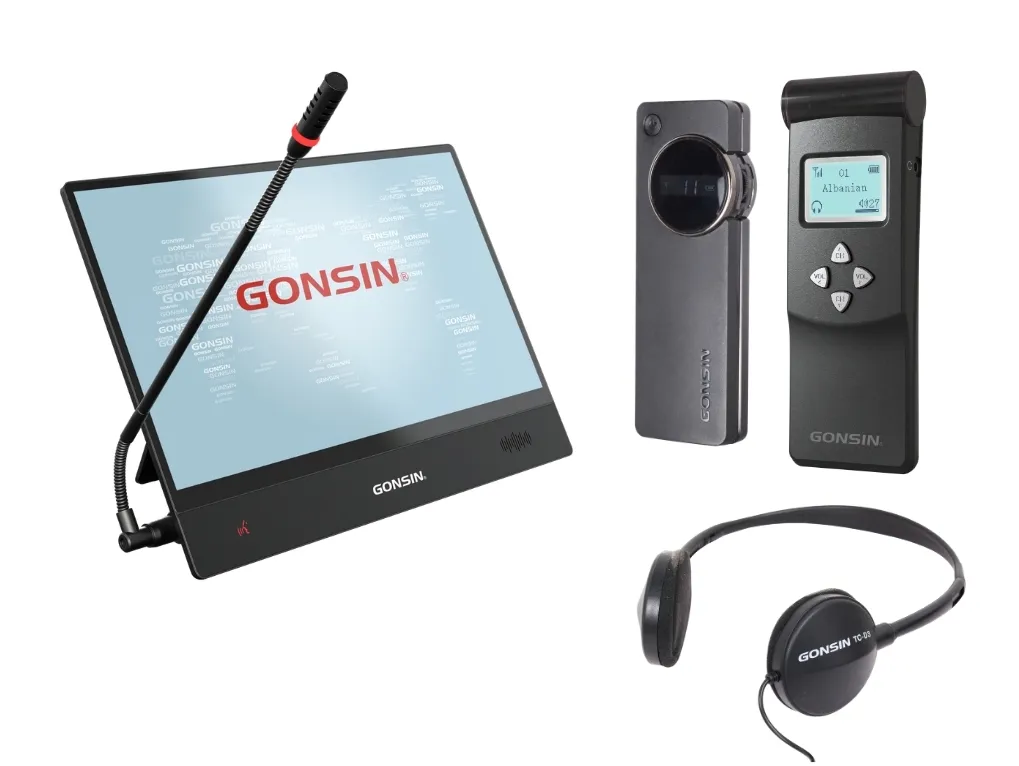
.webp "Interpreter Console")


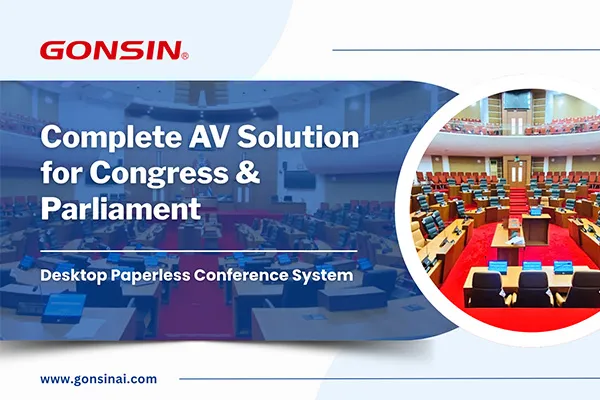
Two venues may host the same multilingual conference and still need very different interpretation systems. A permanent government chamber has clearly defined seating and a controlled indoor environment. A convention venue may change its layout from one event to the next, while a temporary event may need language distribution across a much larger area.
This is why choosing between an infrared simultaneous interpretation system and a wireless translation system should begin with the venue rather than with a preference for one transmission technology.
Both approaches can deliver interpretation channels to personal receivers, but they solve the distribution problem differently. The better choice depends on how stable the room is, how freely listeners need to move, and how the system will be installed and managed during the event.
Matching the Interpretation System to the Venue
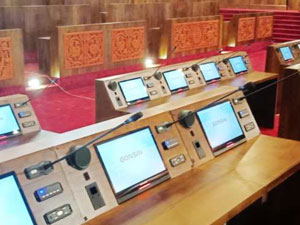
Before comparing equipment, look at how interpretation will actually be used. A fixed conference chamber usually has known audience areas and permanent technical positions. The interpretation system can therefore be designed around that room and remain largely unchanged between meetings.
A multi-purpose venue presents a different challenge. Seating may move, interpretation may only be needed for selected events, and the area that needs language coverage can change. In this situation, the ease of adapting the system becomes more important.
The venue boundary matters as well. Some projects want the interpretation signal closely contained within a defined meeting space. Others place greater value on allowing listeners to move through a broad area without depending on fixed radiation coverage.
These differences explain why there is no universal answer to “infrared or wireless?” The transmission method should follow the operating environment.
When Does an Infrared Simultaneous Interpretation System Make More Sense?
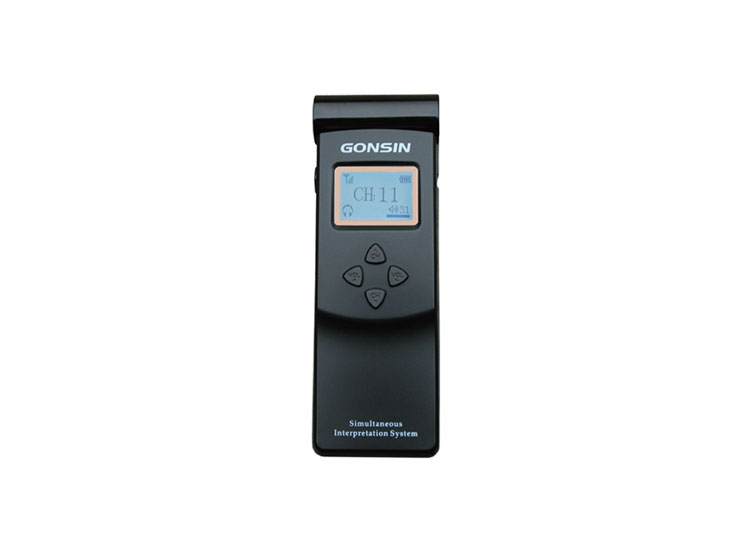
Infrared is particularly well suited to controlled indoor conference environments. Instead of distributing interpretation through conventional radio transmission, radiators send the language channels through infrared light within the intended coverage area. Delegates use personal receivers to select the language they want to hear.
One important characteristic of infrared distribution is its strong suitability for meetings where signal containment and resistance to radio interference matter. This makes it attractive for government conferences, formal international meetings and other fixed venues where the interpretation system forms part of the permanent room infrastructure.
GONSIN's infrared simultaneous interpretation system operates in the 2–6 MHz range and is designed to distribute multiple interpretation channels without radio-frequency interference. The system is available in configurations for different language requirements, allowing the project to be sized around the meeting rather than treating every venue the same way.
Infrared coverage does, however, need to be planned around the physical room. The location of the radiators and the audience area must work together so that participants maintain reliable reception. A permanent chamber is well suited to this kind of planning because the basic room geometry remains predictable.
For a venue that regularly hosts confidential or highly structured multilingual meetings in the same space, this predictability can be an advantage rather than a limitation.
Where Does a Wireless Translation System Offer More Flexibility?
Wireless interpretation becomes attractive when the venue itself is less predictable. Instead of designing infrared radiation around a fixed audience area, a radio-based system can provide broader freedom of movement and can be easier to redeploy when the event layout changes.
This is useful in convention centers, temporary conference venues and large event spaces where delegates may not remain within one tightly defined seating zone. It can also simplify projects where permanent installation is undesirable.
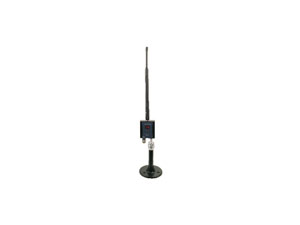
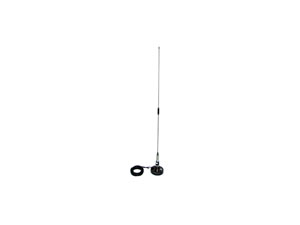
GONSIN's FS-FHSS wireless translation system uses frequency-selecting and frequency-hopping technology for language distribution. Its architecture is intended for flexible conference environments and can serve both indoor and outdoor applications. GONSIN also uses grouping and encryption functions to help multiple systems operate in an organized way when several language-distribution areas are required.
The main advantage is not simply that the system has no infrared radiators. It is that the coverage strategy changes. For an event organizer who needs to install interpretation quickly, adapt to a changing audience area or reuse the equipment in different venues, this can reduce the amount of venue-specific infrastructure required.
.png "/uploads/image/2026/08/28/AI 同声传译 (4).png")
| Venue Requirement | Infrared Interpretation | Wireless Interpretation |
|---|---|---|
| Permanent indoor conference chamber | Well suited to a fixed, carefully planned coverage area | Possible, but flexibility may offer little benefit if the room never changes |
| Temporary or frequently reconfigured venue | Requires the infrared coverage to be reconsidered when the layout changes significantly | Better suited to rapid redeployment and changing audience areas |
| Strong emphasis on keeping distribution within a controlled meeting environment | Infrared is particularly attractive for this type of application | Requires appropriate wireless security and system configuration |
| Large or mobile audience area | Coverage depends on suitable radiator planning | Offers greater freedom when listeners need to move across a wider area |
How Do Room Layout and Installation Style Change the Choice?
Technology that works well in one ballroom may be unnecessarily complicated in another. The key is to look at how the coverage area relates to the architecture.
In an auditorium with permanent seating, the interpretation designer knows where listeners will be and can position the infrared distribution around those seats. Once commissioned, the system can provide a repeatable setup for future meetings.
Now consider a large convention hall that is divided differently for each event. The audience may occupy only part of the building one day and a much wider area the next. Designing fixed infrared coverage for every possible arrangement may not be the most practical solution. A wireless approach can follow the event more easily.
The same reasoning applies to temporary installations. If interpretation equipment arrives shortly before an event and must be removed afterward, installation time becomes part of the technical decision. In contrast, a permanent government or institutional venue can justify more detailed infrastructure planning because the system will remain in place.
Hybrid designs are also possible. A large event does not always need to force every space onto the same transmission method. GONSIN has deployed infrared and FS-FHSS wireless interpretation together where different areas of the same event presented different coverage requirements.
This is an important point for system integrators: the decision does not have to be ideological. Infrared and wireless are tools for different operating conditions, and large projects can use each where it performs best.
What Should Integrators Confirm Before Finalizing the System?
By this stage, the choice should be much clearer. The final check is whether the proposed architecture matches the real event rather than the idealized drawing.
The language requirement must fit the selected system, but channel count alone should not drive the purchase. An integrator also needs to know whether delegates remain seated, whether the room changes frequently and whether the equipment will stay permanently installed. These factors determine whether a technically capable system will also be practical to operate.
Coverage should then be verified in the actual venue. For infrared, the design needs to give receivers dependable access to the radiated signal throughout the intended audience area. For wireless, the installation should be tested under the radio conditions that will exist during the event rather than assuming that theoretical range guarantees performance everywhere.
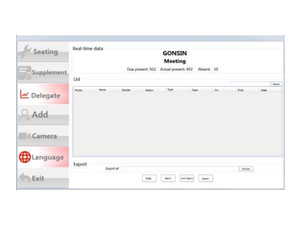
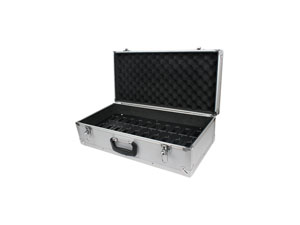
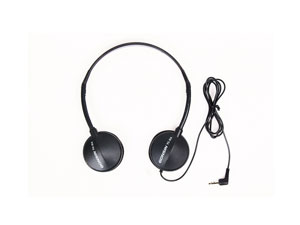
Receiver management deserves attention too. Multilingual events often involve a significant number of personal receivers, so charging, distribution and collection should fit the event workflow. A system that performs well technically but creates unnecessary work at registration or event closeout can still be a poor operational choice.
When buyers review simultaneous interpretation equipment for sale, these project-level questions are more useful than comparing isolated specifications. The supplier should be able to recommend a system from the venue conditions and explain why that architecture is appropriate.
GONSIN offers both infrared and FS-FHSS wireless interpretation solutions, allowing a project to be designed around the meeting environment rather than a single transmission technology. For international conferences, government venues and temporary multilingual events, GONSIN can also combine interpretation equipment with the wider conference system where required.
If your project is still between infrared and wireless, send GONSIN the venue layout and describe how the space will be used. That provides a much stronger basis for choosing the system than selecting a receiver or transmitter first.
Conclusion
The choice between infrared and wireless simultaneous interpretation is primarily a venue decision.
An infrared simultaneous interpretation system is particularly well suited to controlled indoor spaces where the audience area is predictable and signal containment is valuable. A wireless translation system becomes more attractive when the event requires wider movement, rapid deployment or frequent changes in layout.
Neither approach is automatically superior. The more reliable solution is the one whose coverage method matches the way delegates actually use the venue. For complex events, that may even mean combining both technologies rather than forcing one system across every space.
Frequently Asked Questions About Infrared and Wireless Interpretation
1. Is infrared interpretation better than wireless interpretation?
Not universally. Infrared suits controlled fixed venues, while wireless systems offer more flexibility for changing or wider coverage areas.
2. Is an infrared interpretation system affected by radio interference?
Infrared language distribution does not use conventional RF transmission, making it suitable for environments where radio interference is a concern.
3. Can wireless interpretation be used outdoors?
Yes, when the selected system is designed for the required coverage and the actual radio environment has been verified.
4. Can infrared and wireless interpretation systems be used together?
Yes. A hybrid design can use each transmission method in the part of a venue where it is most appropriate.