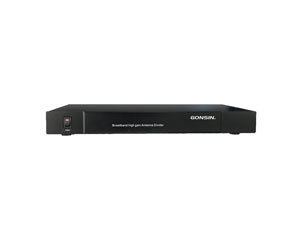
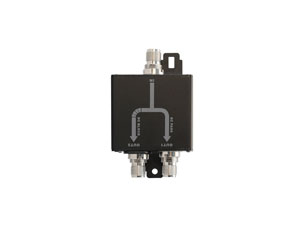
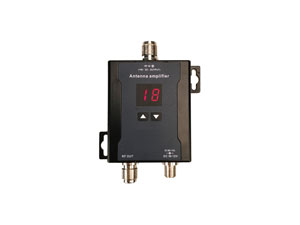
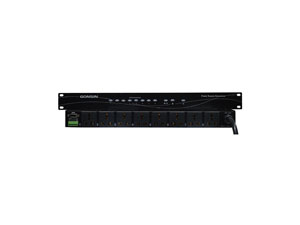
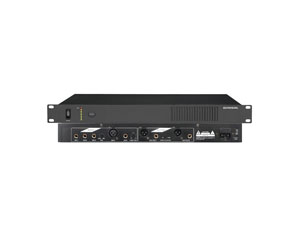
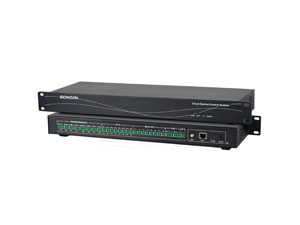
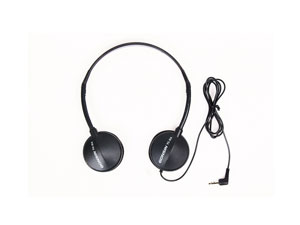
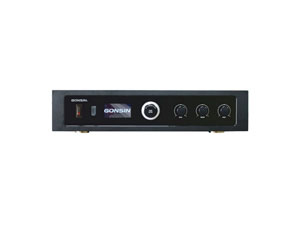
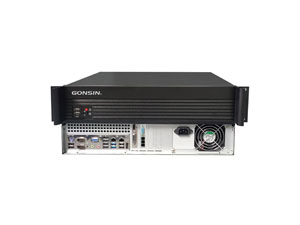
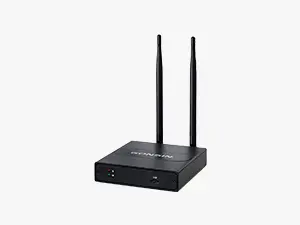
In the world of high-stakes international summits, where seamless communication can make or break an event, the demand for advanced simultaneous translation systems has reached an all-time high. As we approach 2026, large-scale events like the G20, climate action forums such as COP, and global corporate summits are shifting priorities. Organizers are now focused on operational resilience, signal security, and adapting to the growing complexity of venues and hybrid setups.
The critical question for decision-makers becomes: FS-FHSS or Infrared? Which technology should you choose for your next large-scale, multilingual conference? Let’s delve into the strengths and limitations of these systems, providing you with the insight needed to make an informed decision.
The 2026 Landscape: A New Era of Multilingual Summits
From mega-venues with 1,000+ in-person attendees to hybrid events incorporating remote participants, the 2026 global summit scene is as multifaceted as ever. The stakes are higher, the requirements more demanding, and the need for robust and secure communication systems cannot be overstated.
While Infrared (IR) has long held the status of the "gold standard" in simultaneous interpretation, Gonsin’s FS-FHSS (Frequency Selection – Frequency Hopping Spread Spectrum) technology is emerging as the disruptor, bringing flexibility and resilience to complex event environments. Both approaches represent different paths to delivering an effective simultaneous translation system, each with distinct advantages for specific venue requirements.
The decision for summit organizers boils down to a fundamental choice: prioritize uncompromised security with Infrared, or select the flexibility and scalability of FS-FHSS? Let’s explore both technologies in-depth.

The Legacy Authority: Why Infrared (IR) Remains a Summit Staple
For decades, Infrared systems (IR) have been the go-to solution for multilingual conferences. Here’s why security-conscious organizations still favor IR technology:
Unrivaled Privacy
Infrared interpretation systems operate using a line-of-sight (LoS) transmission method, meaning signals are confined to a specific room or space and cannot penetrate walls. This physical limitation doubles as a security feature, ensuring that sensitive discussions are fully isolated and cannot be intercepted by bad actors outside the meeting space.
This capability has made IR critical in high-security boardrooms and summit environments where privacy is non-negotiable.
Radio Frequency Immunity
In venues crowded with wireless signals—think Wi-Fi 7 networks, smartphones, and other RF-based devices—IR thrives. Unlike radio frequency-based systems, it is completely immune to RF interference, offering a much-needed reliability in bandwidth-heavy locations.
Current Infrared Limitations
While IR systems are revered for their security benefits, they come with notable drawbacks:
Outdoor Limitations: Sunlight interference can disrupt IR signals, making outdoor meetings or daylight-filled venues a challenge.
Scalability Issues: For sprawling event spaces or multi-room summits, extensive cabling and multiple IR radiators can make systems costly, time-intensive to set up, and difficult to maintain.
The FS-FHSS Disruptor: Engineering for Complexity in 2026
Gonsin’s cutting-edge FS-FHSS interpretation systems represent a seismic shift in simultaneous translation technology. They are designed to handle the complex needs of modern events. But what makes this technology so unique?
What is FS-FHSS Technology?
FS-FHSS stands for Frequency Selection + Frequency Hopping Spread Spectrum, a revolutionary solution that dynamically selects undisturbed frequency bands and then rapidly “hops” between frequencies if interference is detected. This ensures uninterrupted audio quality and in-the-moment adjustments based on the surrounding signal environment.
Unmatched Flexibility with Gonsin
Unlike Infrared, FS-FHSS can easily penetrate walls and obstacles, delivering coverage across multiple rooms and floors without requiring numerous bulky radiators. This capability is perfect for sprawling venues such as large convention centers and open-air stadiums. To address security concerns, FS-FHSS employs AES-128 encryption, ensuring data remains secure despite its open transmission capability.
Why FS-FHSS Excels in Complex Environments
All-Terrain Capability: Whether it’s an indoor auditorium or outdoor summit, FS-FHSS is impervious to sunlight and physical obstructions, making it an excellent all-around performer.
Fewer Components, Faster Setup: A single Wireless Access Point (WAP) can provide the same coverage as dozens of IR radiators, streamlining the installation process and reducing labor costs by up to 60%.
Comparative Breakdown: A Decision Matrix for Summit Organizers
To help you weigh the options, here’s a quick comparison of Infrared and FS-FHSS interpretation systems and their respective use cases:
| Feature | Infrared | FS-FHSS |
| Security | High (Line-of-Sight; cannot penetrate walls) | High (AES-128 Encryption; signals penetrate walls) |
| Interference Resistance | Immune to RF Interference | Actively avoids RF interference with hopping |
| Suitability for Outdoors | Limited (sunlight affects signal) | Excellent (sunlight immune) |
| Venue Size | Good for medium indoor spaces | Ideal for large venues and complex spaces |
| Setup Effort | High (multiple radiators required) | Low (single WAP covers large areas) |
Overcoming Interference: The 2024–2026 RF Pollution Challenge
With the advent of Wi-Fi 7, high-speed 5G networks, and countless RF-reliant technologies, the 2.4GHz and 5GHz frequency bands are becoming overwhelmingly congested. For interpretation systems that rely on RF, this presents a real risk of signal interference, leading to unpredictable audio dropouts.
Gonsin’s FS-FHSS integrates Dynamic Monitoring technology to constantly scan the signal environment for open frequencies. By rapidly hopping between available bands, the system ensures uninterrupted performance even under pressure.
Maximizing ROI: Which Simultaneous Translation System is Right for You?
Selecting between Infrared (IR) and FS-FHSS ultimately depends on the nuanced demands of your event venue and audience. Consider the following scenarios to guide your decision:
Case Scenario A: Privacy-Sensitive Boardroom with Limited Footprint
For private corporate settings, government negotiations, and other high-security meetings with fewer participants:
Recommended Solution: Infrared
Why: Limited room size and layout make LoS easy to maintain, while the inherent signal isolation provides unparalleled protection from eavesdropping.
Case Scenario B: Large-Scale Outdoor or Multilevel Summit Events
For open-air stadiums, international trade expos, or multi-room summits hosting 2,000+ participants:
Recommended Solution: FS-FHSS
Why: The technology excels in covering massive, dynamic venues and is sunlight-proof, quick to set up, and multi-room capable.
Conclusion: Future-Proofing Your Summit with Gonsin
When it comes to choosing between FS-FHSS and Infrared systems for your simultaneous interpretation needs, the “best” system depends largely on your event’s specific requirements. Whether you're prioritizing impenetrable security for confidential meetings or flexible, all-terrain coverage for sizable multilingual events, Gonsin has a solution fit for the evolving demands of 2026 and beyond.



 اللغة العربية
  Español
  Français
  Pусский
  简体中文
简体中文 
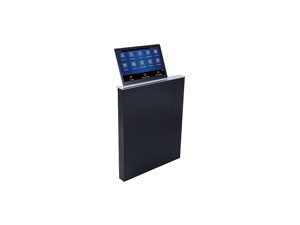
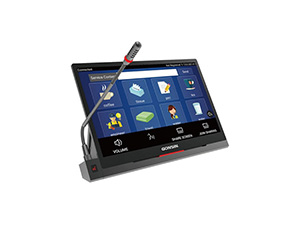
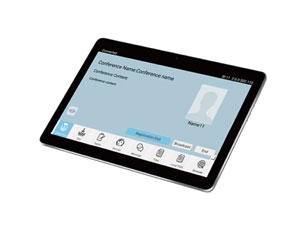
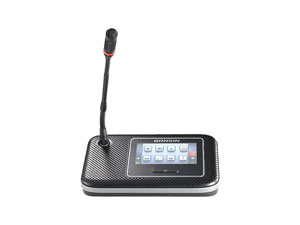

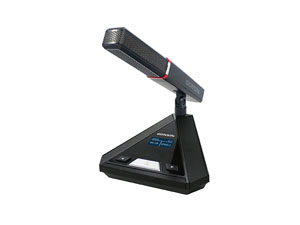
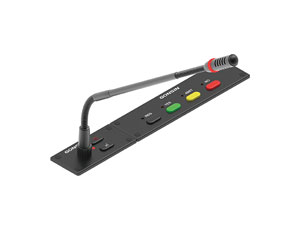
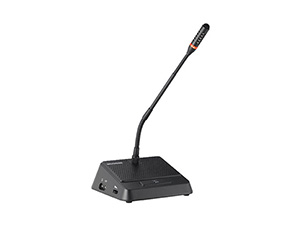
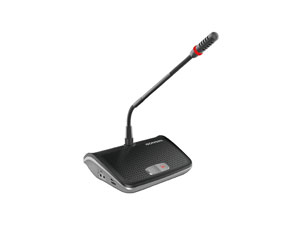
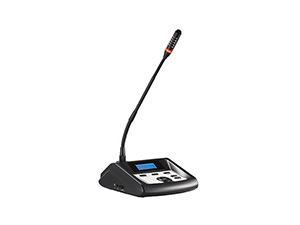
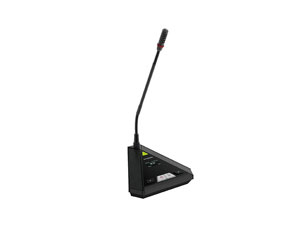
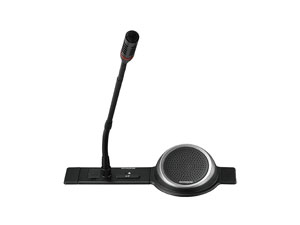
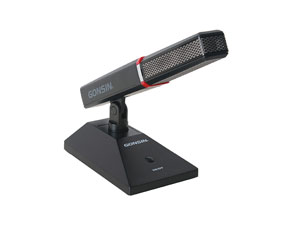
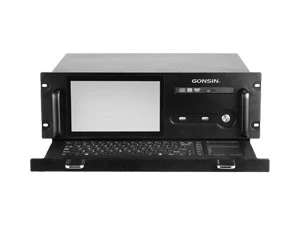
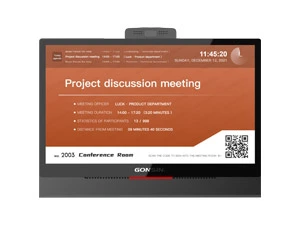
.webp "FS-FHSS Wireless Simultaneous Interpretation System")
.webp "IR Simultaneous Interpretation System")
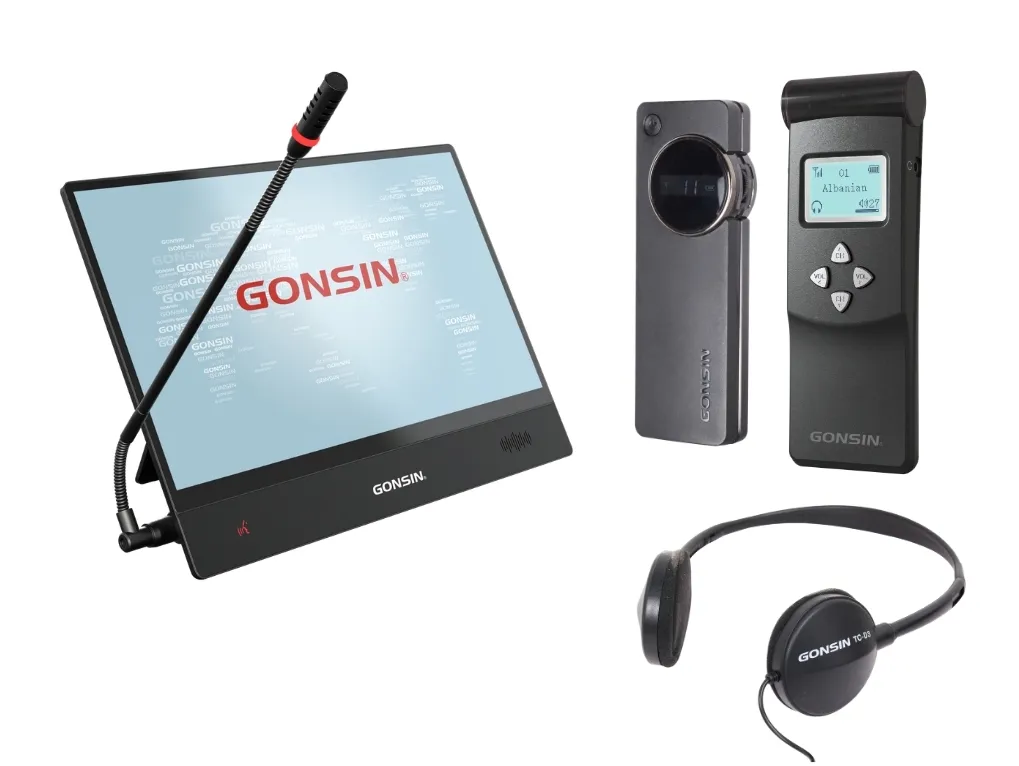
.webp "Interpreter Console")