The Sound of Luxury
In 2026, luxury is no longer only visual—it’s auditory. A premium hotel audio system has become invisible architecture: it defines atmosphere, reduces friction, and quietly signals brand quality in every zone, from arrival to sleep. The issue: many high-end properties still install siloed systems—one for the lobby, another for the ballroom, another for meeting rooms—none of them speaking the same language. The result is familiar to developers and operators: higher maintenance costs, inconsistent sound quality, complex staff training, and a guest experience that feels “stitched together.” The solution is an Integrated AV Architecture approach—designed as one ecosystem from day one. At GONSIN, our work across global hospitality and high-stakes conferencing has consistently shown the same truth: integration isn’t a feature; it’s the foundation.
Why “Integrated” Is the Keyword for 2026
Integrated AV means the lobby music, event audio, interpretation, paging, recording, and unified communications aren’t separate projects—they’re endpoints on a shared, managed network.
The shift: AV-over-IP as the core backbone
Instead of running parallel cabling and isolated racks for each zone, modern hotels increasingly use AV-over-IP distribution to unify audio transport, routing, monitoring, and redundancy on a structured network—reducing cabling, simplifying expansions, and supporting sustainability goals by minimizing material and rework over the building lifecycle.
What “good integration” delivers
Centralized management: One control plane for monitoring, health alerts, source routing, and scheduling.
Fewer cable types, fewer failure points: Clean infrastructure that scales with renovations and brand refreshes.
Consistent guest transitions: The property “sounds like one hotel,” not a collection of spaces.
Standards that signal future-proofing (and reduce vendor lock-in)
If you’re specifying a high-end hotel audio system in 2026, insist on network-audio interoperability—especially Dante ecosystems that can interoperate via AES67 where needed. AES67 is explicitly designed for Audio-over-IP interoperability between compliant devices and networks.
Zonal Requirements: Tailoring the Audio Experience
A 5-star property doesn’t need “more speakers.” It needs better zoning strategy, cleaner aesthetics, and predictable performance in every acoustic environment.
Lobby & Public Spaces: “Atmospheric Audio” that disappears
The lobby is brand theater—guests should feel the sound, not locate it. Design priorities:
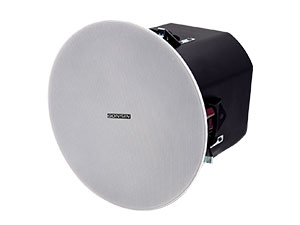
Flush-mount / architectural speakers (heard, not seen)
Acoustic transparency (materials and grilles that don’t color the sound)
Dynamic zoning for day/night profiles, events, and seasonal programming
Operationally, this is also where integration pays off: the lobby soundtrack shouldn’t fight paging, announcements, or adjacent F&B zones.
Multi-Functional Ballroom: Broadcast-quality, corporate-grade performance
Ballrooms in luxury hotels now host board-level offsites, investor summits, destination weddings, and international brand activations—often within the same week. That demands:
High intelligibility speech reinforcement
Recording and streaming readiness (clean feeds, consistent gain structure)
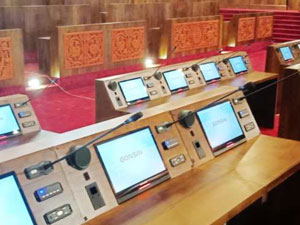
Professional conference systems with expansion capacity
Simultaneous interpretation capability when the property targets international events
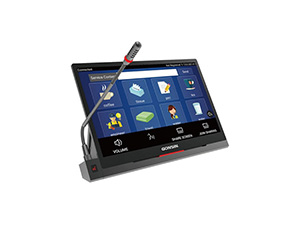
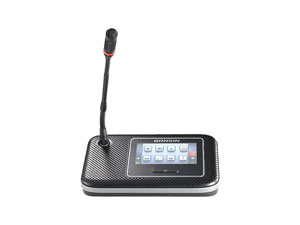
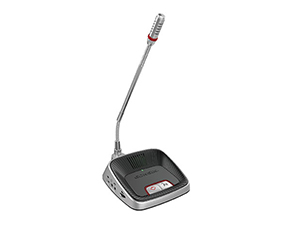
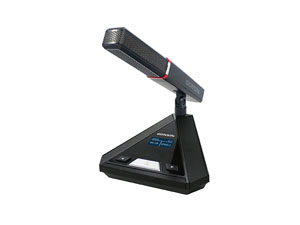
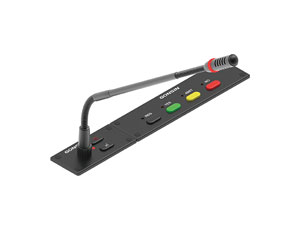
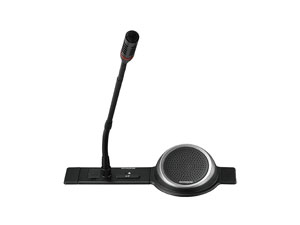
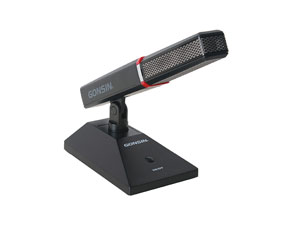
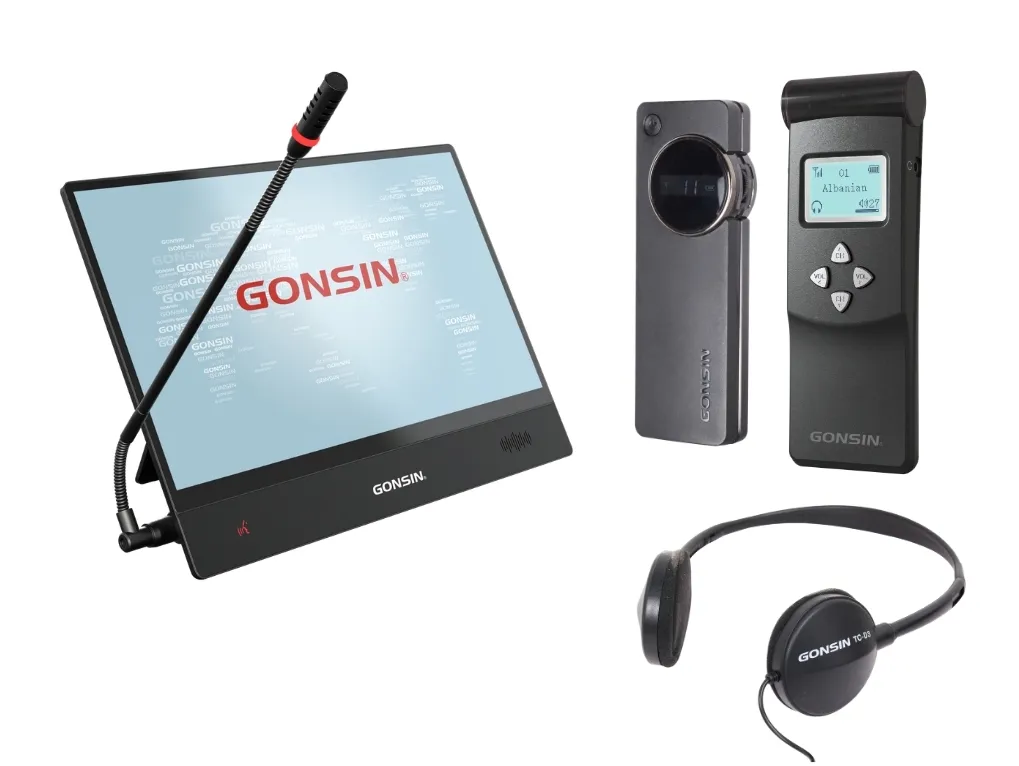
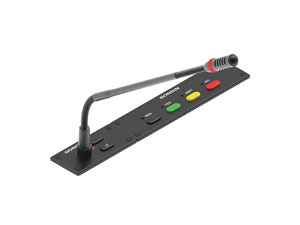
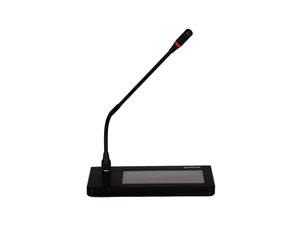
GONSIN’s hotel-focused solution sets commonly include discussion, interpretation, reinforcement, recording, and centralized control as a unified design—built for multi-function halls, not just “meeting rooms.”
Guest Suites: Smart audio that behaves like hospitality, not consumer tech
In-room audio can’t feel like a gadget project. It must integrate with:
Smart room controls / IoT scenes (wake, relax, do-not-disturb, housekeeping mode)
Touchless control where appropriate
Guest device handoff (simple pairing and privacy-safe session clearing)
The best guest-room experience is not “most features.” It’s fewest steps. Internal reference (hardware & system overview): GONSIN’s Hotel AV solutions.
The 2026 Tech Trends in Hotel AV
AI-driven acoustic tuning (adaptive EQ and room-state awareness)
The direction of travel is clear: systems that can adjust profiles based on room conditions—like occupancy, layout changes, or ambient noise—so ballrooms and conference suites maintain intelligibility without constant manual retuning. (This is especially valuable in eco-conscious properties that run leaner staffing models.)
Invisible hardware (interior-design-first technology)
Luxury design teams increasingly demand:
Color-matched, flush-mounted endpoints
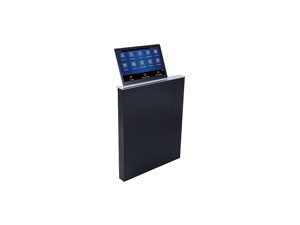
Ultra-thin terminals for conferencing and room control
“No visual clutter” microphone and speaker strategies
Integration makes this feasible because you reduce the number of mismatched interfaces, wall plates, and overlapping systems.
Zero/low-latency distribution where it matters
For live events, hybrid meetings, and performance-grade entertainment, latency is not a footnote. AV-over-IP architectures must be designed with:
Strategic Planning Checklist for Developers (Do This Before You Draw the Ceiling)
Step 1: Early integration (schematic design phase)
Bring your AV consultant into the room when architects and MEP are still shaping the building. If AV is added after reflected ceiling plans are “done,” you pay for it twice: once in rework, and again in compromised aesthetics.
Step 2: Scalability for 2028+ upgrades
Your network and endpoints should be specified so the hotel can adopt new standards without demolition—think 8K video routing, new UC codecs, and emerging spatial audio experiences for premium suites and signature venues.
Step 3: Single-pane-of-glass operation
Hotel staff turnover is real. Your AV must be operable by non-AV teams:
One dashboard for monitoring rooms, zones, endpoints
Simple presets (event modes, banquet modes, multilingual modes)
Clear fault reporting and remote support readiness
Trust & Reliability: Why Hardware Matters (The “T” in E‑E‑A‑T)
A 5-star hotel isn’t a showroom—it’s a 24/7 operating environment. Consumer-grade and mid-tier systems fail here for predictable reasons: heat, uptime expectations, maintenance constraints, and the reality that venues can’t “go dark” during a high-profile event. When evaluating a hotel audio system, ask for reliability proof, not marketing:
Stability under continuous duty cycles
Serviceability and remote diagnostics
Redundant options for critical spaces
Track record in high-stakes environments (international conferences, government-level deployments)
GONSIN’s global footprint across large-scale conferencing and mission-critical venues is directly transferable to luxury hospitality, where reputation is built on events that cannot fail.
Conclusion: Investing in the Senses
A 5-star hotel without a professional, integrated audio ecosystem is just a building—beautiful, expensive, and operationally fragile. An integrated AV architecture turns sound into a controlled asset: consistent brand atmosphere, flexible event revenue, lower lifecycle costs, and an experience that feels effortless to guests. Ready to design your property’s auditory signature? Contact GONSIN’s hospitality AV experts for a custom architectural consultation.
FAQ
What is the best audio system for a luxury hotel?
The best luxury hotel audio system is an integrated, networked ecosystem designed around zoning, aesthetics (invisible hardware), and operational simplicity—typically built on AV-over-IP with interoperability (e.g., Dante/AES67 where required) and redundancy for critical venues.
How does AV-over-IP benefit hotels?
AV-over-IP helps hotels centralize routing and management, reduce cabling complexity, scale faster during renovations, and deliver consistent guest experiences across zones—while enabling modern conferencing, recording, streaming, and multi-room event flexibility.
Which external standards support better hotel acoustics planning?
For building-side acoustic performance and verification, ISO guidance supports standardized field measurement and rating approaches (e.g., airborne sound insulation measurement and rating references). For sustainability-oriented projects, LEED discussions increasingly emphasize acoustic planning as part of occupant experience considerations.



 اللغة العربية
  Español
  Français
  Pусский
  简体中文
简体中文 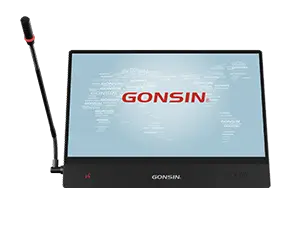
.webp "FS-FHSS Wireless Simultaneous Interpretation System")
.webp "IR Simultaneous Interpretation System")
.webp "Interpreter Console")

.png "Products")