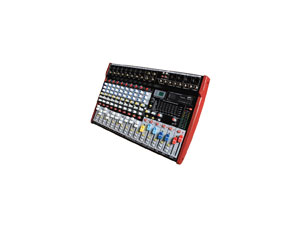
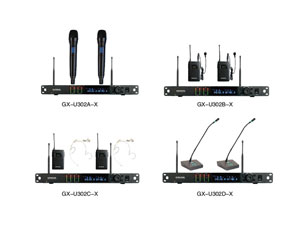
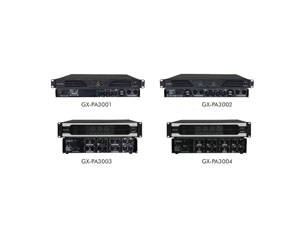
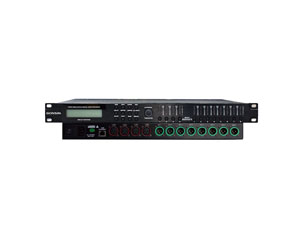
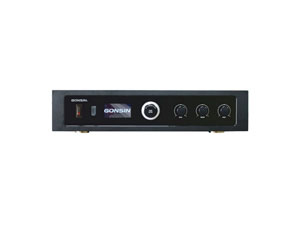
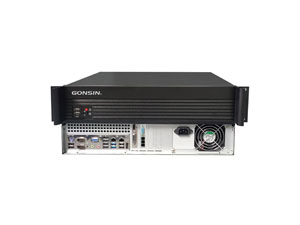
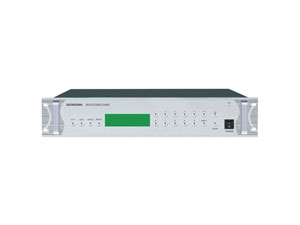
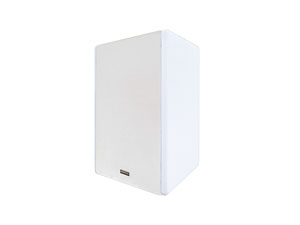
In the judicial system, clear communication is not merely a matter of convenience; it is a foundational requirement for justice. Courtrooms are unique architectural spaces, often characterized by high ceilings, marble walls, and expansive layouts. While these design elements project a sense of dignity and authority, they frequently create severe acoustic challenges. If a judge cannot hear a witness clearly, or if a defense attorney's arguments are masked by feedback, the entire legal proceeding is compromised.
For modern courtrooms to function flawlessly, deploying advanced courtroom sound systems is essential. Below, we break down the five most common courtroom acoustic problems and examine how professional audiovisual technology addresses them.
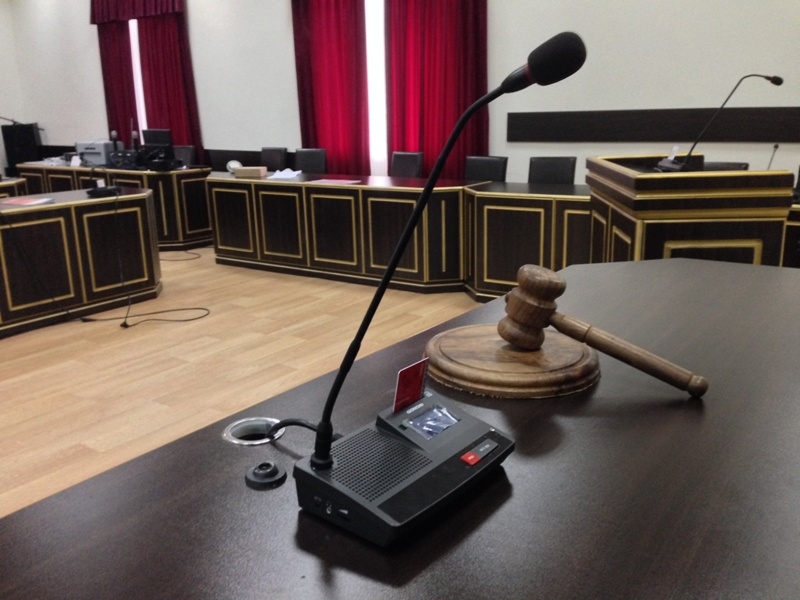
1. Excessive Echo and Reverberation in Large Courtrooms
Large, historic courtrooms are notorious for their prolonged reverberation times. Sound waves bounce off hard surfaces, creating a persistent blur of overlapping words. This muddy acoustic environment makes it incredibly difficult for the court reporter, judge, and jury to distinguish specific syllables, highlighting the urgent need for optimized courtroom sound systems.
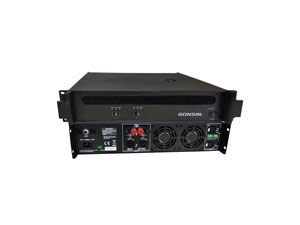
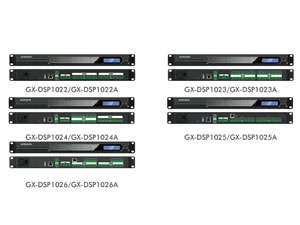
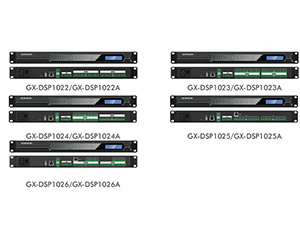
To combat this, professional audio setups deploy advanced digital signal processing (DSP) and acoustic echo cancellation (ACC). GONSIN's advanced courtroom audio system configurations utilize state-of-the-art audio algorithms that identify and isolate direct speech from reflected sound waves.
By analyzing the courtroom's acoustic profile in real time, the DSP actively strips away the delayed reflections. This ensures that when a litigant speaks into a microphone, the audio heard through the public address system is crisp, immediate, and completely free of distracting legal echo.
2. Audio Feedback and Howling During Proceedings
We have all experienced that piercing, high-pitched screech when a microphone gets too close to a loudspeaker. In a high-stakes trial, audio feedback and howling are more than just a nuisance; they cause jarring disruptions that break the concentration of the entire room. In poorly optimized spaces, uncalibrated courtroom sound systems can loop frequencies until they overload the system.
A professional courtroom audio system utilizes narrow-band notch filters and adaptive feedback suppression technology to eliminate this issue before it starts.
Frequency Shifting: Subtly shifts the output frequency by a fraction of a hertz, unnoticeable to the human ear, to break the feedback loop.
Adaptive Filtering: Automatically detects the exact frequency causing the howl and applies a precise cut to that band within milliseconds.
This allows lawyers to move around the courtroom with wireless microphones or adjust their position at the podium without fear of triggering a sudden acoustic blast.
3. Uneven Sound Distribution and Dead Zones
Courtrooms are divided into distinct functional zones: the judge’s bench, the witness stand, the jury box, the counsel tables, and the public gallery. A common flaw in basic setups is uneven distribution—where the front rows are blasted with deafening audio while the back rows sit in acoustic "dead zones." This is why multi-zone planning is vital for comprehensive courtroom sound systems.
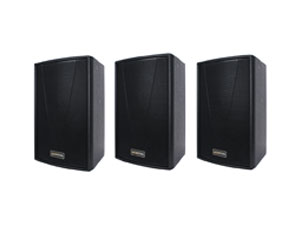
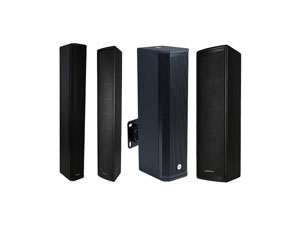
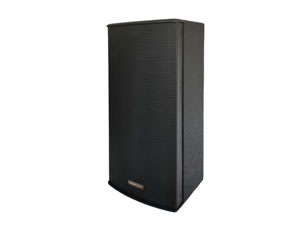
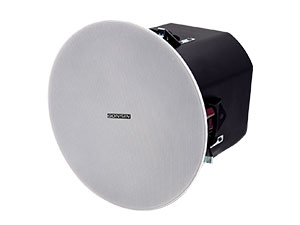
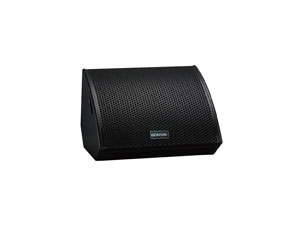
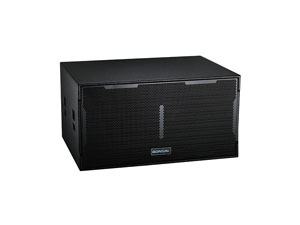
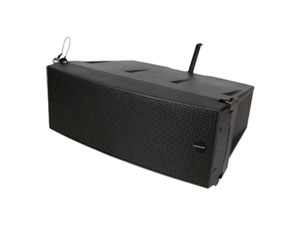
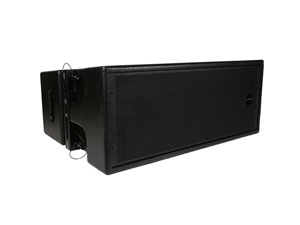
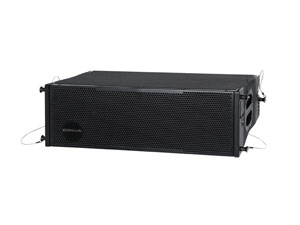
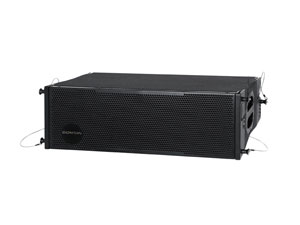
The solution lies in intelligent, multi-zone coverage solutions. Rather than relying on two massive speakers at the front of the room, a modern courtroom audio system design uses a distributed layout of multi-zone speakers.
By precisely grouping and tuning each zone, sound technicians can adjust volumes independently. This ensures absolute clarity across every single seat in the house, keeping the public gallery informed while maintaining balanced audio at the bench.
4. Background Noise and External Interference
From hums generated by HVAC climate control systems to external traffic noise bleeding through windows, background noise degrades speech clarity. Additionally, wireless components within courtroom sound systems face constant threats from radio frequency (RF) and electromagnetic interference caused by smartphones and local network hardware.
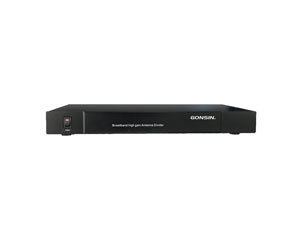
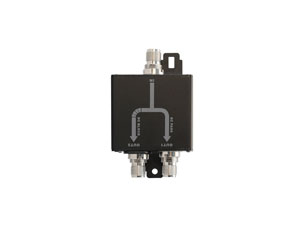
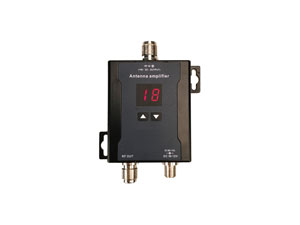
GONSIN tackles environmental noise through intelligent noise-cancelling array microphones and robust anti-interference systems.
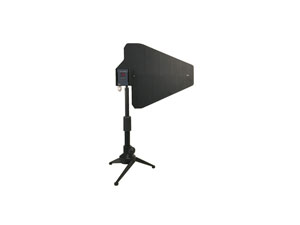
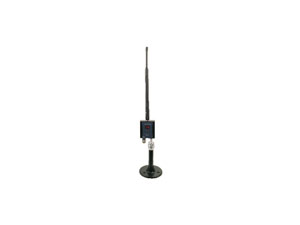
Technology Spot: GONSIN pioneered the original FS-FHSS (Frequency Hopping Spread Spectrum) technology, building upon their nationally recognized DSSS innovation. This advanced system allows wireless courtroom audio system components to automatically hop away from congested RF channels, ensuring entirely secure, interference-free transmission.
Simultaneously, digital noise suppression algorithms analyze steady-state background noises (like an air conditioner's hum) and mathematically subtract them from the active audio feed, leaving behind pristine human speech.
5. Poor Speech Intelligibility and Muffled Voices
Not everyone speaks with the booming cadence of an experienced trial lawyer. Soft-spoken witnesses, nervous victims, or elderly litigants often speak quietly or lean away from the microphone, resulting in muffled, unintelligible audio if the integrated courtroom sound systems are inadequate.
Professional systems rely on Automatic Gain Control (AGC) and parametric equalization (EQ) to level the playing field.
Automatic Gain Control (AGC): Constantly monitors input levels. If a witness whispers, the system automatically boosts their volume. If a lawyer raises their voice, the system smoothly pulls the level back to prevent clipping.
Precision Equalization: Accurately targets the "presence" frequencies of human speech (typically between 1 kHz and 4 kHz). By boosting these specific bands and cutting muddy low-end frequencies, a tailored courtroom audio system ensures even the most soft-spoken individual is heard clearly across the entire room.
Experience the GONSIN Difference
As a global provider of complete conference system solutions since 2003, GONSIN has equipped prestigious international venues and judicial institutions worldwide—including the Istanbul Regional Court of Justice, the Supreme Court of Georgia, and the Fiscalia Project in Colombia.
To help judicial authorities select the appropriate hardware density for their spaces, GONSIN offers scalable architecture options tailored directly to specific trial requirements:
| System Layer | Standard Solution | Advanced Solution Upgrade |
|---|
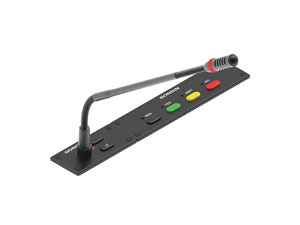
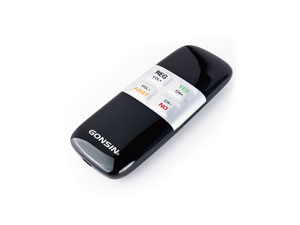
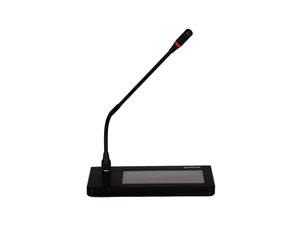
| Audio Core | Conference Discussion System | Discussion + Voting Terminals |
| Sound & Video | Conference Public Address | Automatic Camera Tracking |
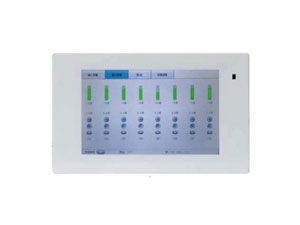
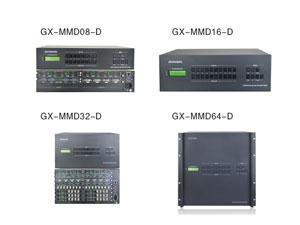
| Automation | Basic Signal Management | Central Control & AI Transcription (ASR) |
Whether your facility requires a standard setup or an advanced layout integrated with remote video conferencing and paperless document sharing, GONSIN tailors premium courtroom sound systems to your exact architectural needs. Our systems are backed by ISO certifications and a national five-star standard after-sales service guarantee system.
Ready to eliminate acoustic distractions and safeguard the integrity of your legal proceedings? Please Contact Us today to speak with our product consultants and design a comprehensive courtroom audio system tailored to your venue.
Conclusion
Acoustic structural failures like prolonged echo, piercing feedback, and structural dead zones can significantly compromise the efficiency and fairness of judicial trials. By integrating professional courtroom sound systems featuring DSP echo cancellation, FS-FHSS anti-interference, and automatic gain control, modern courtrooms can achieve absolute speech intelligibility. Trusting an industry leader like GONSIN ensures your venue receives a reliable, secure, and clear courtroom audio system tailored for the administration of justice.
Frequently Asked Questions (FAQ)
1. Why are standard consumer microphones insufficient for courtroom sound systems?
Consumer microphones lack the professional digital signal processing (DSP), precise multi-zone routing, and advanced feedback suppression required to manage complex courtroom layouts and varying speaker volumes seamlessly.
2. How does a professional courtroom audio system ensure that confidential discussions remain secure?
GONSIN utilizes proprietary encryption protocols alongside advanced wireless transmission technologies, such as FS-FHSS, ensuring that internal court discussions remain secure from unauthorized external access.
3. Can modern courtroom sound systems integrate with court recording and archiving software?
Yes. Advanced solutions seamlessly link conference discussion units with automated camera tracking, courtroom recording platforms, and Automatic Speech Recognition (ASR) systems for real-time transcription.
4. What is the difference between a standard and advanced courtroom audio system solution?
A standard solution covers fundamental discussion, camera tracking, and sound reinforcement. An advanced solution adds voting capabilities, central control matrixes, remote video conferencing, and automated AI transcription systems.



 اللغة العربية
  Español
  Français
  Pусский
  简体中文
简体中文 

.webp "FS-FHSS Wireless Simultaneous Interpretation System")
.webp "IR Simultaneous Interpretation System")
.webp "Interpreter Console")