Streamlined Setup of a Conference Translation System
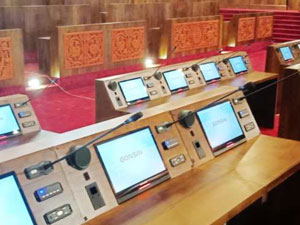
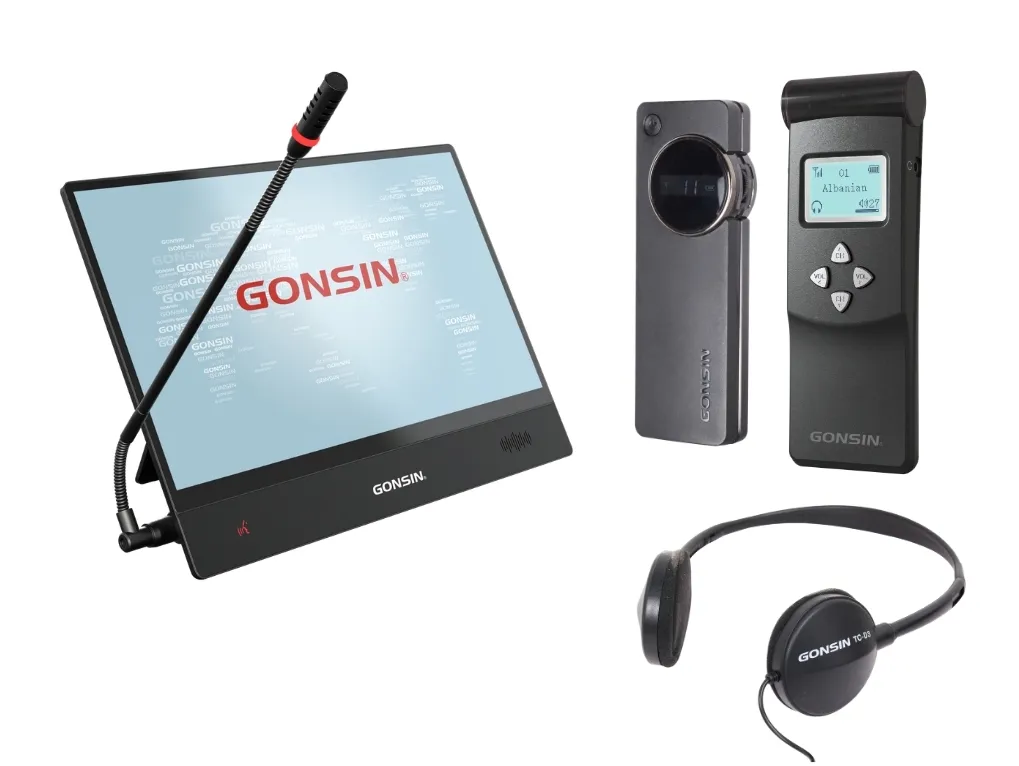
Efficiently implementing a conference translation system requires careful attention to equipment setup, signal integrity, and speaker placement. GONSIN's systems are designed to offer intuitive installation and flexible configurations, ensuring that all participants receive clear and consistent audio coverage. Before any session begins, technicians should verify that all transmitters, receivers, and microphones are functioning correctly, and that wireless channels are correctly assigned to prevent interference. Proper placement of interpreter booths or stations ensures optimal sound isolation while maintaining visibility of the main event proceedings. Integrating these systems into the conference infrastructure allows for seamless communication between interpreters and attendees, enhancing the overall multilingual experience.
Essential Steps for Operating a Conference Translation System
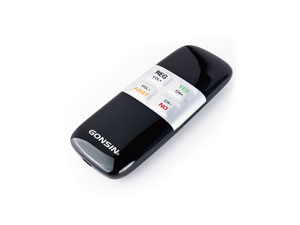
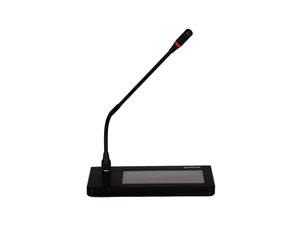
Operating a conference translation system effectively begins with a systematic approach to assigning language channels and configuring devices. Each participant must be able to select their preferred language channel effortlessly, which is facilitated by user-friendly receiver units. Interpreters require clear audio input from the speakers and a reliable output channel to deliver accurate translations in real time. Monitoring signal strength and ensuring that there is no overlap between channels is crucial for maintaining a high-quality experience. Additionally, regular pre-event checks can help detect any anomalies in microphone sensitivity, speaker levels, or wireless connectivity, thereby minimizing disruptions during live sessions.
How Can a Conference Translation System Optimize Multilingual Collaboration?
A properly implemented conference translation system significantly improves multilingual collaboration by enabling instantaneous communication across diverse language groups. In international conferences or multinational corporate meetings, real-time translation allows participants to engage actively without language barriers. The system's ability to deliver precise audio through multiple channels ensures that all participants comprehend the content fully, fostering inclusive dialogue. Modern GONSIN solutions also feature flexible routing, allowing interpreters to switch between channels efficiently while maintaining consistent audio quality. By streamlining communication, organizations can achieve greater participation, reduce misunderstandings, and enhance the productivity of multilingual events.

Maintenance and Monitoring Best Practices for Reliable Performance
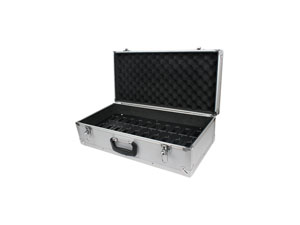
Maintaining the reliability of a conference translation system involves regular inspection, cleaning, and system updates. Technicians should periodically check receiver batteries, microphone connections, and signal transmission integrity to prevent unexpected failures. Proper cable management and storage of portable units also contribute to system longevity. Real-time monitoring during events is essential, as it allows technicians to adjust audio levels, troubleshoot potential interference, and maintain consistent translation quality. By adhering to these best practices, organizations can ensure that the conference translation system performs at optimal levels throughout the event, creating a professional and seamless experience for attendees and interpreters alike.
Enhancing User Experience Through Professional Configuration
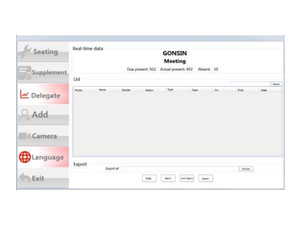
Beyond technical setup and maintenance, a well-configured conference translation system enhances overall user experience by making the technology intuitive and accessible. Providing clear instructions for selecting language channels, offering visual indicators of active interpreters, and ensuring that receiver units are ergonomically designed all contribute to participant satisfaction. GONSIN's advanced systems support scalability, accommodating small meetings or large-scale conferences with equal efficiency. By focusing on both technical reliability and user-friendly operation, organizations can maximize the value of their conference translation system, ensuring smooth communication and an inclusive, engaging environment for every participant.



 اللغة العربية
  Español
  Français
  Pусский
  简体中文
简体中文 

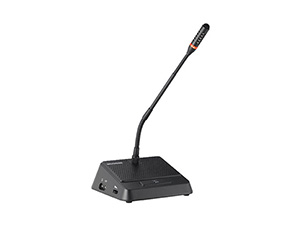
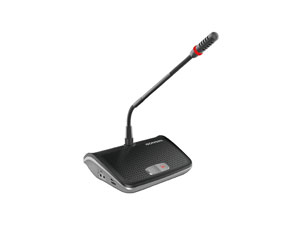
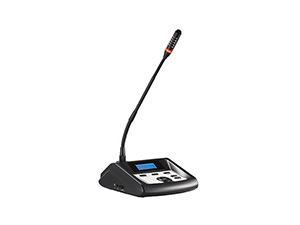
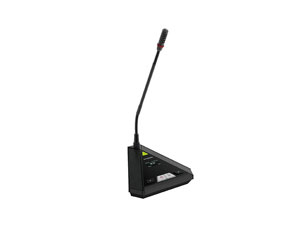
.webp "FS-FHSS Wireless Simultaneous Interpretation System")
.webp "IR Simultaneous Interpretation System")
.webp "Interpreter Console")