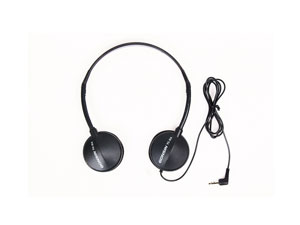
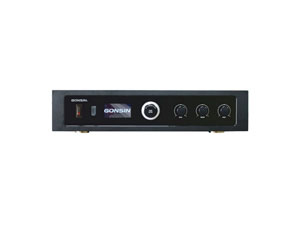
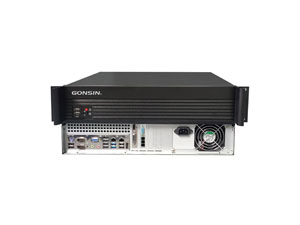
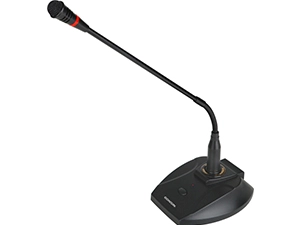
Managing communication at scale is the ultimate test of event technology. When a global summit brings together delegates from dozens of countries, language barriers, cross-talk, and ambient noise can quickly derail critical discussions.
Traditional live human stenography and standard translation apps often struggle to keep pace with rapid-fire, multi-lingual dialogue. To solve this, international conventions are turning to advanced hardware-software ecosystems driven by enterprise-grade ASR software. By capturing multiple audio feeds simultaneously, modern automatic speech recognition systems are redefining how global events manage live transcription, translation, and accessibility.
What is Multi-Channel ASR Software and How Does It Work in Large Events?
Multi-channel ASR (Automatic Speech Recognition) software is an enterprise-grade technology designed to process multiple independent audio streams simultaneously. Unlike consumer-level transcription apps that record an entire room via a single ambient microphone, professional event configurations isolate each speaker's microphone feed into its own dedicated channel.
The workflow relies on a tight integration between physical conference systems and cloud or localized server engines:
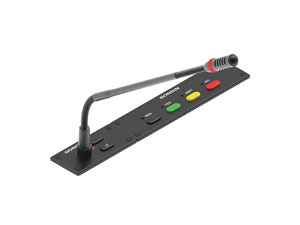
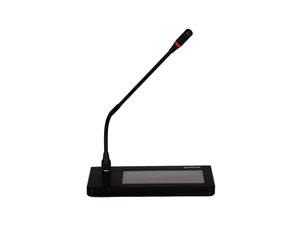
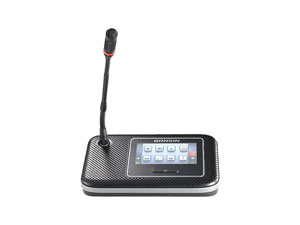
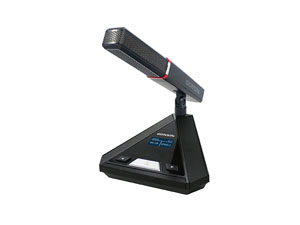
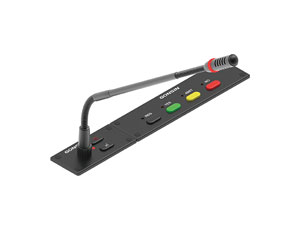
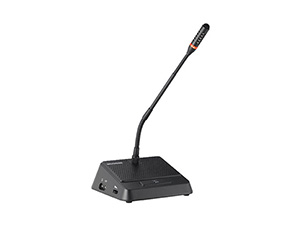
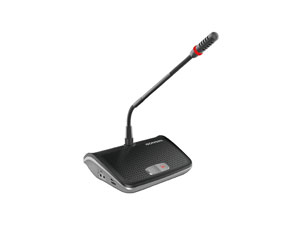
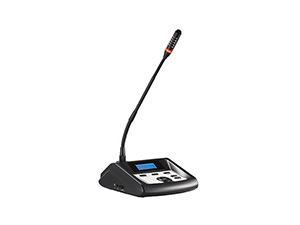
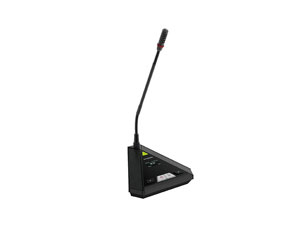
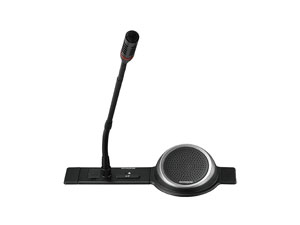
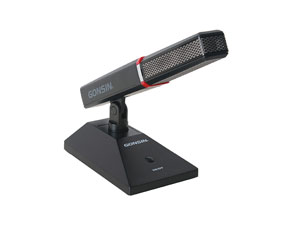
Acoustic Isolation: Digital conference microphones capture a clean, isolated voice feed from individual speakers.
Acoustic Modeling: The ASR engine breaks down the audio into phonemes (the smallest units of sound) while filtering out ambient conference hall noise.
Language & Vocabulary Processing: The system utilizes Connectionist Temporal Classification (CTC) models alongside custom-loaded industry terminology to translate those sounds into accurate text in real-time.
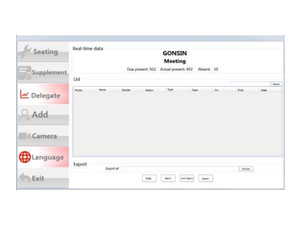
Role Assignment: Because the software tracks individual channels, the final transcript automatically matches the exact text to the correct delegate, eliminating hours of manual formatting after the event.
Breaking Language Barriers: Real-Time Subtitles for Multilingual Audiences
In a multilingual convention, information delayed is information lost. Relying solely on consecutive or simultaneous audio interpretation can leave certain audience segments behind, especially when technical terms or acronyms are heavily used.
Real-time subtitles act as a visual anchor. When integrated with automatic speech recognition systems, the speech from a main presenter can be transcribed instantly and translated into multiple target languages simultaneously. These translations can then be broadcasted as:
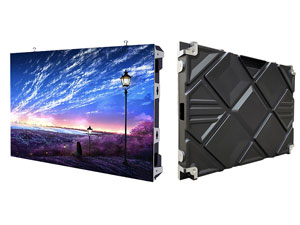
On-screen video overlays for the main stage LED displays.
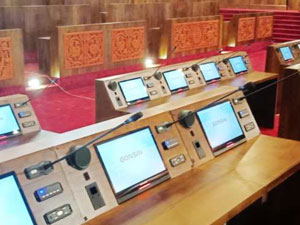
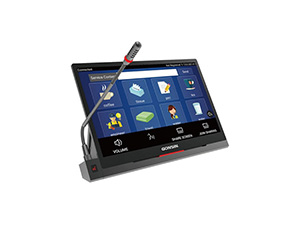
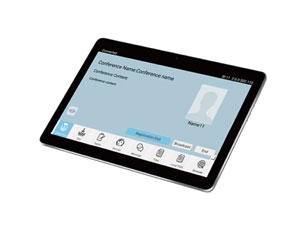
Live text streams on paperless multimedia terminal screens at individual delegate seats.
Mobile web feeds accessible to remote participants via QR codes.
This immediate multi-language rendering ensures that every delegate, regardless of their native tongue, receives identical technical insights at the exact moment they are delivered on stage.
Key Benefits for International Conventions and Global Summits
Implementing a dedicated multi-channel ASR software solution provides substantial operational advantages over standard, single-source recording methods.
| Feature / Benefit | Single-Channel Apps | Multi-Channel Professional ASR |
|---|
| Accuracy in Crosstalk | Drops significantly when multiple people speak | Maintains over 99% accuracy via channel isolation |
| Speaker Identification | Fails or guesses based on voice pitch | 100% accurate; tied to physical microphone IDs |
| Translation Speed | High latency, often requires audio pauses | Near-zero latency real-time streaming subtitles |
| Data Privacy | Mostly public cloud dependent | Supports secure, localized LAN server deployment |
| Post-Event Work | Hours of manual audio-to-text proofing | Instantaneous structured text export (Word/TXT) |
By choosing professional GONSIN conference systems, organizers reduce post-event transcription labor costs by up to 80% while ensuring zero data leaks for high-security intergovernmental forums.
Improved Accessibility and Inclusivity for All Attendees
True inclusivity at international summits goes beyond language translation; it must encompass physical accessibility. For attendees who are deaf or hard of hearing, traditional audio setups present an immediate barrier to participation.
Real-time streaming subtitles ensure that every spoken word is instantly visualized. Furthermore, because professional systems like GONSIN utilize smart semantic understanding, the text isn't just a literal phonetic string. The software automatically applies correct punctuation, structures numbers logically, and cleans up verbal fillers. This creates a highly readable, highly accurate script that allows every single delegate to fully engage in the active debate without relying on lagging post-session summaries.
Enhancing Engagement and Interaction During Hybrid Events
Hybrid events demand that remote participants feel like active contributors rather than passive spectators. If online attendees cannot follow the live discussion easily due to poor audio quality or lack of visual context, their engagement drops dramatically.
Integrating multi-channel ASR data directly into your virtual event platform solves this challenge. Remote users can toggle customized subtitle languages directly on their media players, search live-generated text logs for specific keywords during long sessions, and copy accurate quotes instantly for media press releases. This real-time accessibility turns passive listening into dynamic, interactive engagement across both physical and digital borders.
Technical Advantages of Multi-Channel ASR in Noisy and Complex Environments
Large exhibition halls, convention centers, and historic council rooms are notorious for poor acoustics, echo, and disruptive background noises like air conditioning or paper rustling.
Professional automatic speech recognition systems overcome these challenges through robust hardware-software synchronization. By pulling direct, low-latency audio lines from high-quality conference microphones, the ASR software bypasses room acoustics entirely. Advanced digital signal processing (DSP) inside the microphones handles acoustic echo cancellation (AEC) and background noise suppression before the audio even reaches the transcription engine. This ensures the voice profile remains pristine, allowing the algorithm to consistently maintain its high accuracy threshold even in chaotic acoustic environments.
Implementation Best Practices: Choosing the Right ASR Solution for Your Convention
Deploying an ASR system successfully requires a clear understanding of your infrastructure and security needs. Keep these best practices in mind during your planning phase:
Determine Your Deployment Model: For government, judicial, or corporate board meetings, prioritize local server LAN deployments to keep data entirely offline and protected against external interception. For open international exhibitions, a hybrid or cloud-based model can offer maximum language flexibility.
Insist on Hardware-Software Synergy: Avoid patchy third-party software plug-ins. Choose an ecosystem where the hardware microphones and the ASR software are engineered together, ensuring seamless channel routing and instantaneous role identification.
Pre-Load Custom Dictionaries: If your summit focuses on niche fields like power electronics, medical hardware, or international law, ensure your software allows you to import specialized custom vocabularies prior to launch to maximize word recognition.
Conclusion
Multi-channel ASR software paired with real-time subtitles has evolved from an optional luxury into an essential component of modern, high-tier international conventions. By ensuring pristine speaker isolation, immediate multi-language subtitle delivery, and bulletproof data security, these integrated systems dismantle language barriers and accessibility hurdles simultaneously.
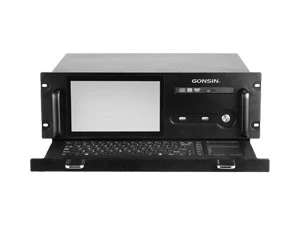
As a pioneer in complete audio-visual conference solutions, GONSIN delivers professional-grade complete ASR solutions alongside world-class digital discussion hardware designed to make your next global summit flawless, interactive, and entirely secure.
Frequently Asked Questions (FAQ)
1. What makes multi-channel ASR software different from a standard recording app?
Standard recording apps capture the entire room's audio through one source, causing accuracy to plummet during cross-talk or background noise. Multi-channel ASR isolates every microphone feed onto its own independent channel, ensuring precise text mapping and high accuracy even if multiple delegates speak at once.
2. Can the system translate technical terminology accurately?
Yes. Professional automatic speech recognition systems allow organizers to upload custom terminology databases, acronyms, and speaker name lists before the event, allowing the AI engine to accurately recognize highly technical or industry-specific vocabulary.
3. How does real-time subtitle delivery work for hybrid attendees?
The live text generated by the ASR software can be embedded directly into video streams as an SRT or WebVTT overlay, allowing remote users on virtual event platforms or mobile devices to view synchronized subtitles in their preferred language with minimal latency.
4. Is our data safe when using automated speech recognition systems?
Data security depends on deployment. While consumer applications rely on public clouds, enterprise solutions from providers like GONSIN support fully offline, localized LAN server installations, ensuring that sensitive data never leaves the room's physical boundary.



 اللغة العربية
  Español
  Français
  Pусский
  简体中文
简体中文 

.webp "FS-FHSS Wireless Simultaneous Interpretation System")
.webp "IR Simultaneous Interpretation System")
.webp "Interpreter Console")