A 5-star visual experience can be ruined by 1-star audio. Whether it’s a high-stakes corporate keynote, a training session with remote attendees, or a wedding toast, audio clarity is non-negotiable—and it directly impacts reviews, repeat bookings, and event revenue.
Yet many venues still battle dead zones, microphone feedback, and overly complex controls that new staff can’t confidently operate. A modern hotel audio system should deliver three outcomes:
Consistent acoustic coverage across every seat
Reliability under real-world event pressure (packed RF environments, quick turnarounds)
Versatility for speech, music, and hybrid conferencing—without constant reconfiguration
This is where GONSIN, a global leader in professional AV and conference solutions for hospitality and high-level events, helps hotels upgrade from “it works” to “it elevates the venue.”
Assess Your Space First: Banquet Halls vs. Meeting Rooms
Your buying criteria should start with how the room is actually used—not just the room size.
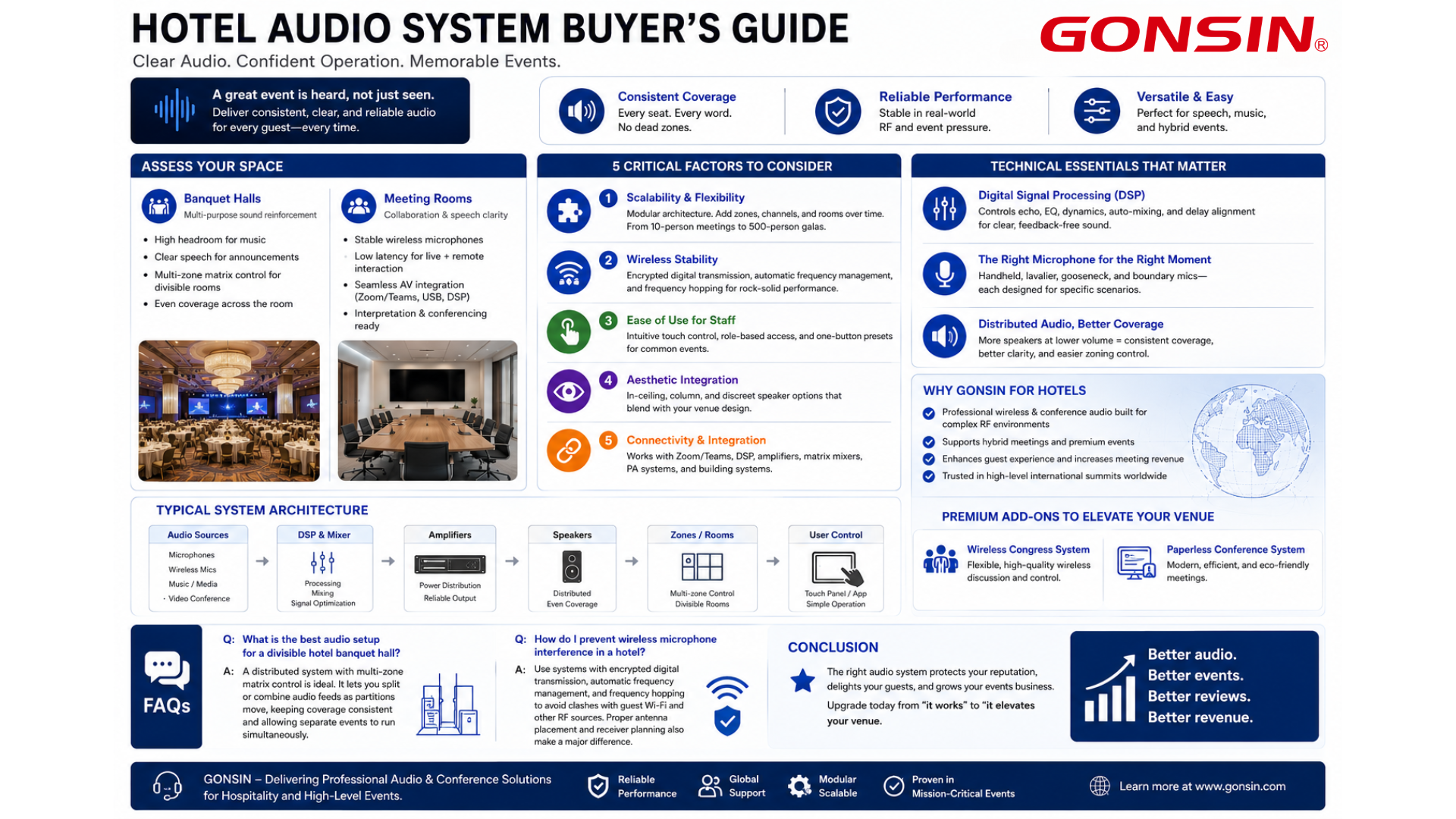
Banquet Halls: The Multi‑Purpose Sound Reinforcement Challenge
A ballroom must handle everything from background music to high-energy DJs to crystal-clear speeches. That means your banquet hall sound system needs:
High headroom and controlled sound pressure level (SPL) for music without harshness
Excellent speech clarity for announcements and toasts
Multi-zone matrix control for divisible rooms (moveable walls, split events, separate audio feeds)
Even coverage that avoids “front loud / back quiet” scenarios
In practice, a well-designed ballroom system behaves like several coordinated systems, not one giant setup.
Meeting Rooms: Collaboration and Speech Intelligibility First
Meeting spaces succeed or fail based on speech intelligibility—especially with hybrid meetings, Q&A, or international delegations. Prioritize:
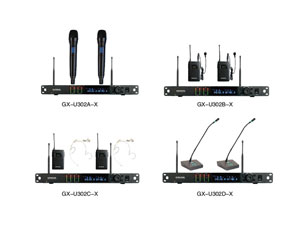
Stable wireless microphones (handheld, lavalier, gooseneck)
Clear reinforcement with minimal signal latency (critical for live + remote interaction)
Seamless conference room AV integration (Zoom/Teams, USB audio, DSP echo control)
Options for simultaneous interpretation and conferencing workflows
5 Critical Factors When Choosing a Hotel Audio System (Buyer-Ready Criteria)
Use the checklist below in vendor meetings, budget discussions, and RFPs. These are the practical make-or-break factors that determine whether your investment performs for years—or becomes a constant support ticket.
1) Scalability & Flexibility (One Venue, Many Event Types)
Ask: Can the system scale from a 10-person board meeting to a 500-person gala—without replacing core components?
Look for:
Modular architecture (add zones, channels, wireless units, and rooms over time)
Expandable I/O for microphones, playback, and video conferencing bridges
Room-combining logic that follows partition changes
GONSIN’s approach is designed for modular growth—helpful when hotel renovations happen in phases or when event demand increases.
2) Wireless Stability (Hotels Are RF Battlefields)
Hotels are packed with guest Wi‑Fi, mobile devices, Bluetooth, and multiple events running simultaneously. Wireless failure looks like “random dropouts,” but it’s often predictable interference.
Prioritize:
Encrypted digital transmission
Automatic frequency management and frequency hopping (to reduce interference impact)
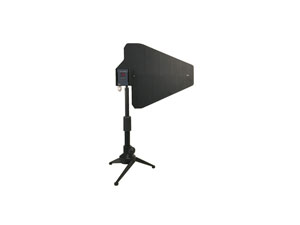
Strong receiver design and antenna planning for multi-room deployments
This is a key strength in GONSIN’s wireless hotel audio system—built for mission-critical environments rather than “occasional use.”
3) Ease of Use for Staff (Because Turnover Is Real)
A system that only one AV tech can operate is not a hotel system—it’s a risk.
Demand:
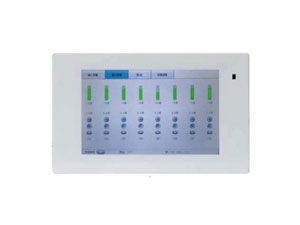
A user-friendly control interface (touch panel or simplified presets)
Role-based access (staff vs. engineer settings)
“One-button” modes (wedding / keynote / hybrid meeting / banquet announcements)
The goal is consistent results even when the operator changes.
4) Aesthetic Integration (Guests Notice the Details)
Audio should be heard, not seen—unless it’s intentionally part of the design.
Common best-fit options:
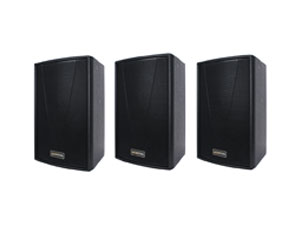
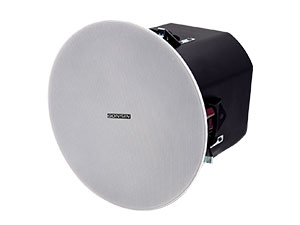
In-ceiling speakers for discreet distributed coverage in ballrooms and pre-function areas
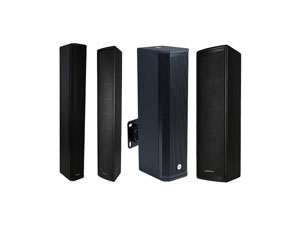
Column speakers for controlled vertical dispersion in reflective rooms (improves clarity)
Clean microphone options that match the room’s visual standard
Good design balances appearance with performance; hiding speakers shouldn’t create coverage gaps.
5) Connectivity & Integration (AV Must Work as a System)
Modern hospitality events require audio-visual integration, not siloed gear.
Confirm compatibility with:
Zoom/Teams and typical BYOD workflows
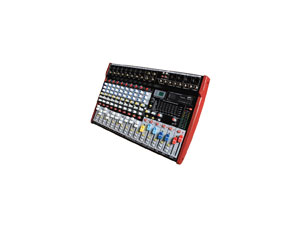
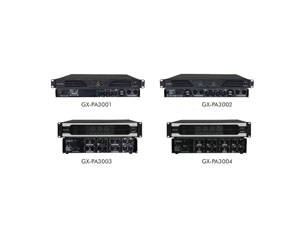
DSP, amplifiers, and matrix mixers
Existing public address (PA) system needs (paging, emergency messaging integrations where required)
Optional links to building management or scheduling systems (depending on site)
Technical Essentials: What’s Under the Hood (and Why It Matters)
You don’t need to be an engineer to buy well—but you do need to know which technical building blocks protect your outcome.
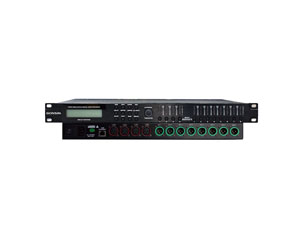
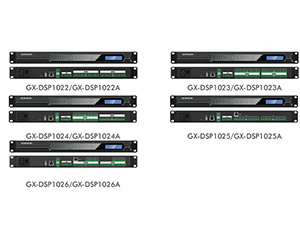
Digital Signal Processing (DSP): The Difference Between “Loud” and “Clear”
DSP manages the invisible problems that guests feel immediately:
Echo and reverberation control
Automatic mixing (so open mics don’t add noise and feedback)
EQ and dynamics for consistent tone
Delay alignment for distributed speakers (improves clarity and reduces “double sound”)
Result: better intelligibility, fewer feedback incidents, and a more polished experience.
Microphone Variety: Match the Mic to the Moment
A professional hotel setup typically uses a mix of:
Handheld wireless for MCs and Q&A
Lavalier for presenters who move
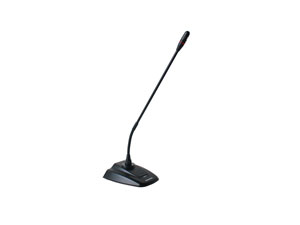
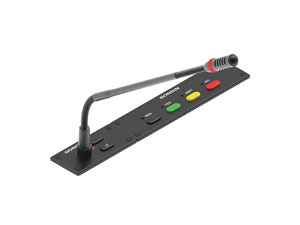
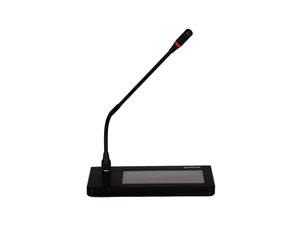
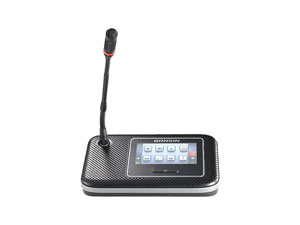
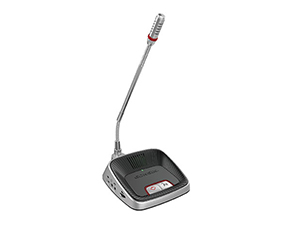
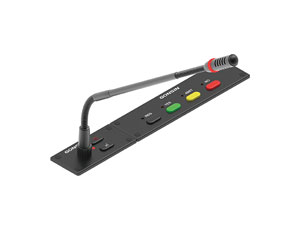
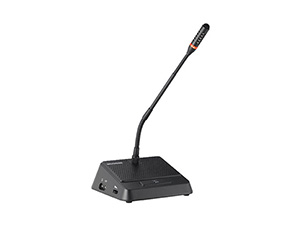
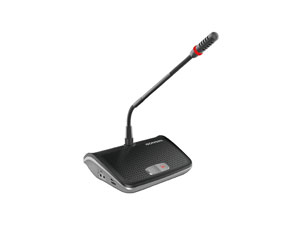
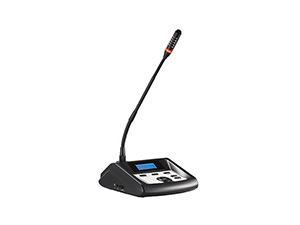
Gooseneck conference units for boardrooms and panel discussions
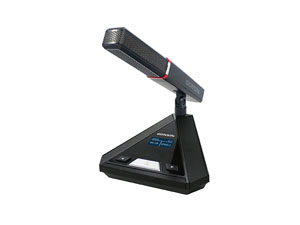
Boundary mics for pickup on tables in flexible setups
Choosing the right microphone types reduces the need to “turn it up,” which also reduces feedback risk.
Distributed Audio: Better Coverage Than Two Big Speakers
Instead of blasting from the front, distributed systems place more speakers at lower volume across the room, delivering:
More consistent acoustic coverage
Better clarity for speech
Lower perceived loudness while maintaining intelligibility
More control by zone (ideal for divisible ballrooms)
This approach is often the fastest path to measurable improvement in guest experience.
Why GONSIN Is the Professional Choice for Hotels
Hotels need solutions that perform consistently across changing event formats—without operational complexity. GONSIN specializes in conference systems and distributed AV, making it a strong fit for hospitality venues that host business events, government delegations, and premium banquets.
Key advantages for hotel operations:
Professional-grade wireless and conference audio designed for reliability in complex RF environments
Solutions that support hybrid meetings and high-end event rentals
Premium add-ons that can increase meeting package value
Consider upgrading meeting revenue with:
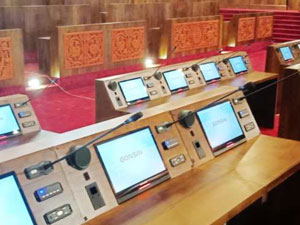
Wireless Congress System for flexible, high-quality wireless discussion and control
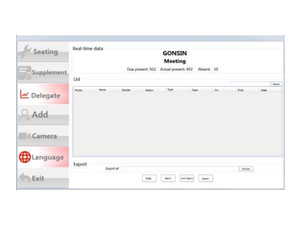
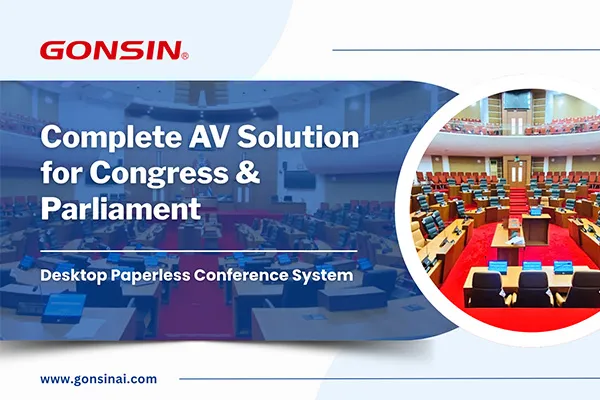
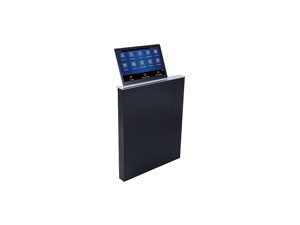
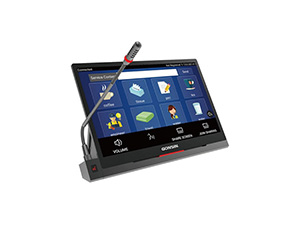
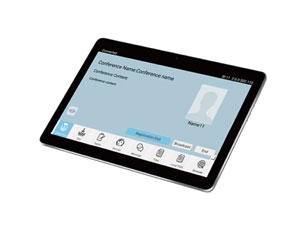
Paperless Conference System to enhance premium boardroom and summit-style meetings
Trust signal: GONSIN solutions have been used in high-level international summits—an indicator of the reliability and operational standards demanded in mission-critical events.
Conclusion: An Audio Upgrade Is an Investment in Reputation and Revenue
Choosing the right hotel audio system isn’t just a technical decision—it’s a business decision. When your audio is consistent, intelligible, and easy to run, you reduce event-day risk, improve guest satisfaction, and protect your venue’s premium positioning.
FAQs
What is the best audio setup for a divisible hotel banquet hall?
A distributed system with multi-zone matrix control is ideal. It lets you split or combine audio feeds as partitions move, keeping coverage consistent and allowing separate events to run simultaneously.
How do I prevent wireless microphone interference in a hotel?
Use systems with encrypted digital transmission, automatic frequency management, and frequency hopping to avoid clashes with guest Wi‑Fi and other RF sources. Proper antenna placement and receiver planning also make a major difference.



 اللغة العربية
  Español
  Français
  Pусский
  简体中文
简体中文 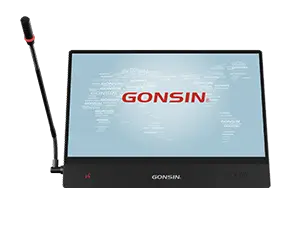
.webp "FS-FHSS Wireless Simultaneous Interpretation System")
.webp "IR Simultaneous Interpretation System")
.webp "Interpreter Console")