Defining the Connection: Is Automatic Speech Recognition (ASR) Artificial Intelligence?
Yes, modern Automatic Speech Recognition (ASR) is a subset of Artificial Intelligence (AI). ASR leverages Machine Learning (ML) and Deep Learning (via Neural Networks) to recognize and transcribe human speech into text. From its early days as basic, programmed systems requiring slow and deliberate speech, ASR technology has evolved into an intelligent ecosystem capable of understanding various accents, contexts, and even multiple languages in real-time. This progress is a result of breakthroughs in AI algorithms, allowing ASR systems to not just respond to commands but learn and improve over time. Understanding the connection between ASR and AI is crucial for businesses and government agencies considering the adoption of cutting-edge automatic speech recognition systems to streamline operations and enhance communication.
The Evolution of Speech Technology
The "Rule-Based" Past
Early speech recognition systems were static and rule-based. Users had to speak slowly, enunciate every word clearly, and conform to a predefined set of commands. These systems offered limited functionality, often struggling with variations in intonation, accents, and complex sentences.
The AI Revolution in Speech Recognition
The advent of AI brought a seismic shift in how automatic speech recognition systems operate. With Machine Learning and Deep Learning, these systems now analyze massive amounts of data and extract meaningful patterns automatically. This innovation has resulted in systems that not only recognize words but also understand context, intent, and emotion. The use of Neural Networks has especially transformed ASR. These networks simulate the workings of the human brain, enabling speech engines to "learn" nuanced speech patterns and continuously improve accuracy.
Why the AI Link Matters
Understanding why ASR is AI-based underscores its potential. AI capabilities like self-learning and adaptability make ASR systems indispensable for industries that demand precision—legal courtrooms, corporate board meetings, medical transcriptions, and international summits.
How Professional Automatic Speech Recognition Systems Work
Professional
automatic speech recognition systems are a fusion of advanced software and top-tier hardware. Here’s how they piece together to create seamless voice-to-text functionality:
1. Signal Processing
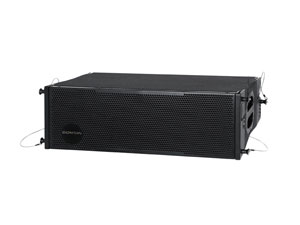
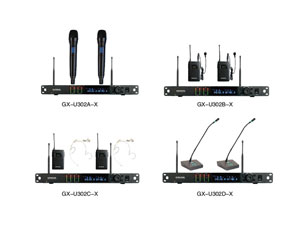
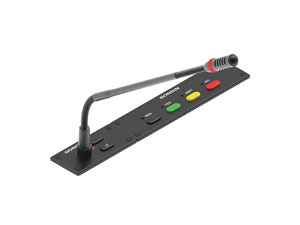
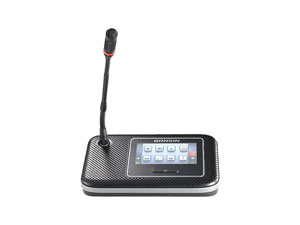
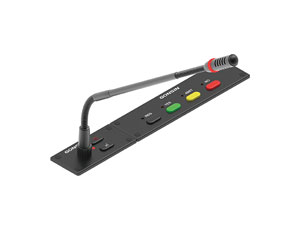
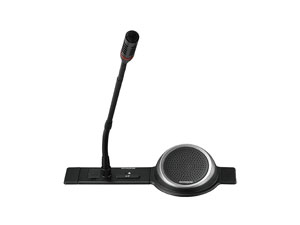
It all begins with sound capture. Microphones pick up sound waves and convert them into digital signals. For best results, high-quality microphones—like GONSIN’s conference systems—ensure premium audio input, minimizing background noise and interference.
2. Acoustic Modeling
This phase dissects sound into its smallest distinct units, called phonemes. By identifying these building blocks of speech, acoustic models align sounds with specific symbols, preparing them for further processing.
3. Language Modeling (Natural Language Processing - NLP)
Here’s where AI shines. Language models work with context to predict the next likely word, enabling the system to account for grammar, syntax, and regional nuances. NLP allows the machine to discern meaning by interpreting words in context—an essential requirement for tricky conversations, like those involving industry jargon or foreign languages.
4. Hardware-Software Symbiosis
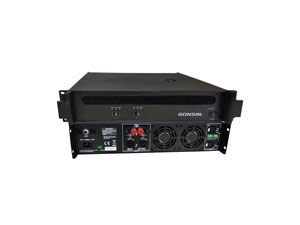
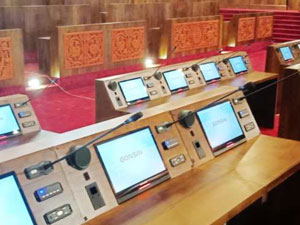
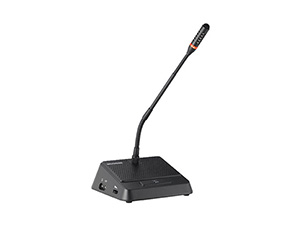
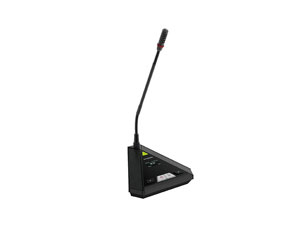
The quality of your ASR outcomes depends heavily on integration between hardware and software. Clear and accurate audio input drives AI to excel. That’s why GONSIN’s sleek and professional-grade microphones are an ideal foundation for achieving high transcription accuracy.
Key Benefits of AI in ASR for Business and Government
Speech recognition isn’t just about transcription anymore. Modern ASR systems offer a range of transformative advantages:
Increased Accuracy
AI’s ability to filter background noise, pinpoint accents, and account for context ensures transcriptions are highly precise, even in challenging environments.
Real-Time Performance
AI-powered ASR systems provide instantaneous transcription and live subtitling, crucial for international conferences or remote presentations.
Automation for Efficiency
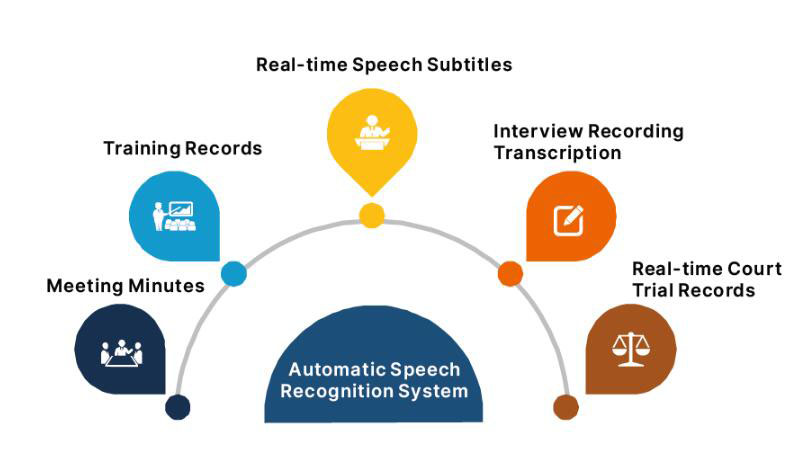
By automating tasks like meeting minute transcription or interview documentation, ASR technology saves time and resources, allowing professionals to focus on strategic outcomes instead of manual note-taking.
Multi-Language Support
Advanced ASR systems include real-time translation and multilingual support, fostering global communication and inclusivity.
The Missing Link: Why Software AI Needs Quality Hardware
Even the most advanced AI speech models can falter when fed poor audio. From background noise to distortion, subpar audio quality can generate incorrect transcriptions, also known as "AI hallucinations." This risk underscores a critical truth: AI is only as good as its input. Investing in high-fidelity microphones and acoustic systems—like those offered by GONSIN—ensures AI receives clear, high-quality audio. This minimizes errors, ensures smooth speech processing, and maximizes transcription accuracy (95%+ with optimal hardware/software integration).
Addressing the "Trust" Factor: Data Security in ASR
The adoption of ASR in sensitive settings—such as government meetings, courtroom proceedings, and corporate boardrooms—raises concerns about data security.
Secure Recordings
Advanced ASR systems must prioritize encryption and secure data transmission to prevent unauthorized access.
Cloud vs. On-Premise Solutions
For organizations that prioritize data control, on-premise speech recognition systems, such as those integrated with high-quality GONSIN equipment, provide an extra layer of protection. Clients should always seek transparency about where their data is stored, who has access to it, and how it’s protected from breaches.
The Future: ASR, AI, and Beyond
The future of ASR technology is set to transform communication further with advanced capabilities:
Predictive Analytics
With an increased understanding of context and speaker tendencies, AI may soon offer advanced predictions, completing sentences for clarity or highlighting key moments in conversations for quick reference.
Integrations with Generative AI
By pairing ASR with generative AI (e.g., GPT-based systems), organizations will not only receive transcriptions but also precise meeting summaries, action items, and decision points—all generated automatically. GONSIN leads the way with systems prepared for this next stage of ASR evolution.
Conclusion: A Smarter Way to Hear and Be Heard
Automatic Speech Recognition (ASR) is more than just Artificial Intelligence—it’s a transformative tool for modern business and government communication. Advanced ASR systems offer near-perfect accuracy, real-time translation, enhanced automation, and robust data security. Don’t let your innovation get drowned out by poor technology. Experience the future of accurate and efficient communication today. Discover how GONSIN’s [Automatic Speech Recognition System Solutions] can elevate your conference recording and transcription to a whole new level.



 اللغة العربية
  Español
  Français
  Pусский
  简体中文
简体中文 








.webp "FS-FHSS Wireless Simultaneous Interpretation System")
.webp "IR Simultaneous Interpretation System")

.webp "Interpreter Console")