Clear sound in a hotel ballroom or conference hall does not come from audio equipment alone. The room itself shapes every speech, discussion, and performance. Hard surfaces can produce long reflections, movable partitions can change the acoustic character of the space, and background noise can make quiet speakers difficult to understand.
Turning up the volume rarely solves these problems. It may make the direct sound louder, but it can also increase reverberation and raise the risk of feedback. A more reliable approach is to coordinate architectural acoustic treatment with properly designed hotel audio systems.
The architecture controls how sound behaves inside the venue, while the audio system delivers clear and even coverage for each event format. When these two elements are planned together, hotels can create spaces that work equally well for formal conferences, banquets, hybrid meetings, and live presentations.
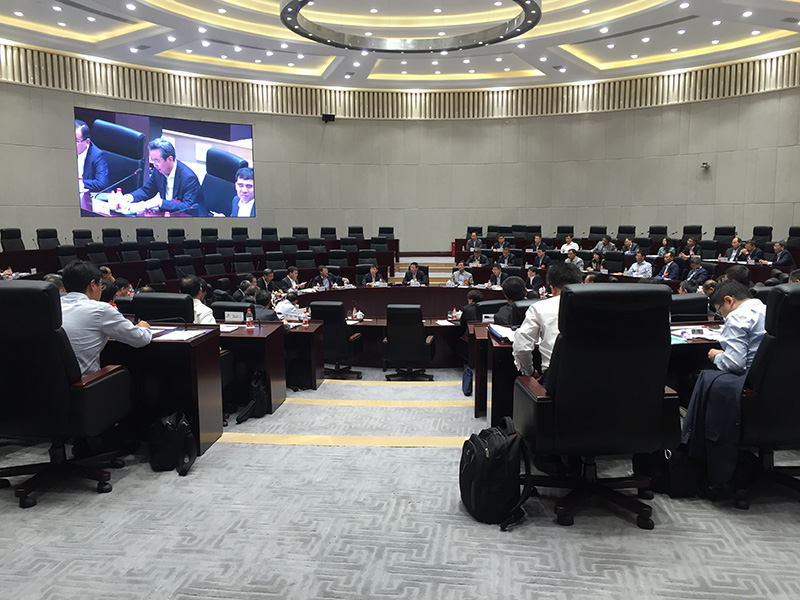
Why Should Acoustic Treatment Be Planned Before the Audio System?
Acoustic treatment and sound reinforcement solve different parts of the same problem. Treatment controls unwanted reflections inside the room. The audio system captures and distributes the sound that guests need to hear. Neither can fully repair major weaknesses in the other.
In a highly reflective ballroom, spoken words may continue bouncing around the room after the speaker has moved on to the next sentence. The result is reduced clarity, especially for guests seated far from the stage. Adding more loudspeakers or increasing the level may make the problem more noticeable rather than less.
Acoustic planning should therefore begin while the room design is still flexible. At that stage, treatment can be integrated into the ceiling and wall design instead of being added later as a visible correction. The design team can also prevent conflicts between acoustic finishes, loudspeaker locations, lighting, ventilation, and other building services.
Early planning is equally important for sound isolation. Acoustic treatment improves what people hear inside the venue, while the building structure determines how much sound reaches nearby guest rooms or adjoining event spaces. A hotel ballroom may require both, particularly when evening events operate close to accommodation areas.
How Can Architecture Improve Sound Without Affecting the Interior Design?
Acoustic treatment does not need to make a premium hotel venue look technical or industrial. Absorptive materials can be incorporated into walls and ceilings in a way that supports the interior concept. The aim is to control the strongest reflections without changing the visual identity of the space.
The correct balance depends on how the room will be used. A conference room needs enough acoustic control to keep speech clear, while a ballroom must also preserve a sense of energy for music and celebrations. Too much absorption can make the venue feel flat, but too little leaves speech blurred and encourages operators to use unnecessary volume.
Treatment is generally more effective when it is distributed through the room rather than concentrated in one location. Upper wall and ceiling areas are often valuable because they can reduce reflections across the audience without interfering with seating, decoration, or event setup.
Background noise should be addressed at the same time. Air-conditioning, service activity, projectors, and nearby equipment can all reduce speech intelligibility. When the room is already noisy, the audio system must work harder, and quiet speakers become more difficult to understand.
The goal is not to remove every reflection or make the room completely silent. It is to create an environment where direct sound remains dominant, speech is easy to follow, and music retains a natural character.
How Should Hotel Audio Systems Work With the Room Acoustics?
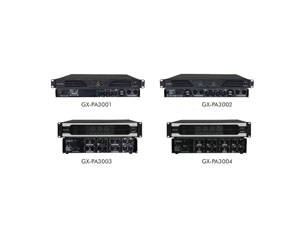
Once the acoustic environment is under control, the audio system can be designed around the room’s size, seating arrangement, stage position, and normal event formats. The objective is not maximum output. It is consistent coverage that allows guests in different parts of the room to hear at a similar level.
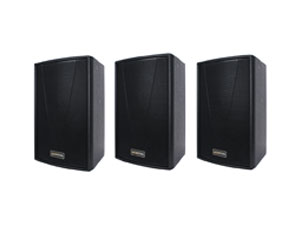
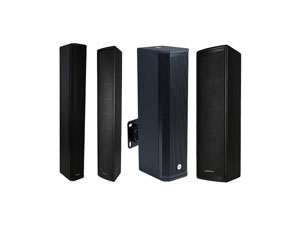
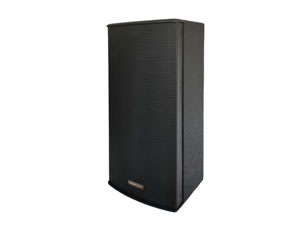
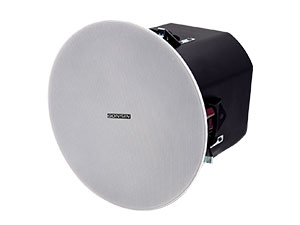
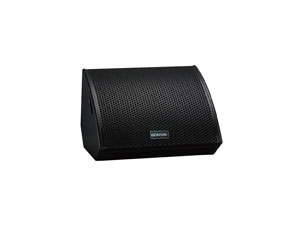
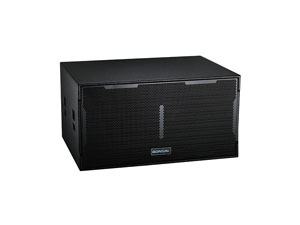
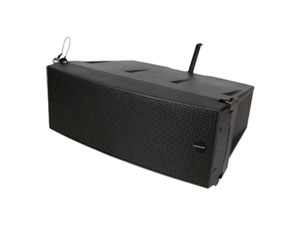
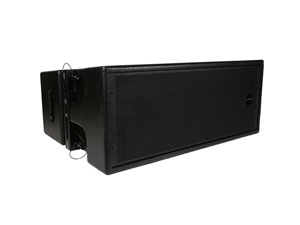
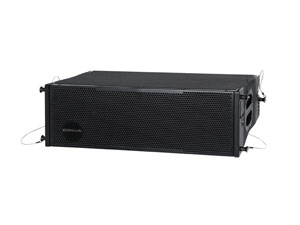
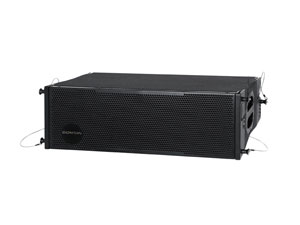
Loudspeaker placement is central to this result. In a large ballroom, the front system may not provide enough direct sound to the rear seating area. Carefully placed fill or delay loudspeakers can extend coverage without forcing the front of the room to become excessively loud.
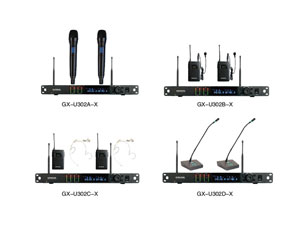
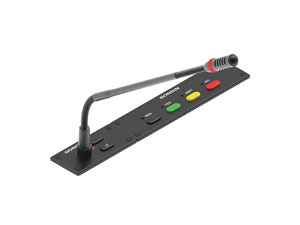
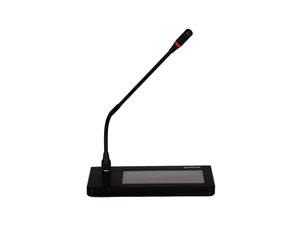
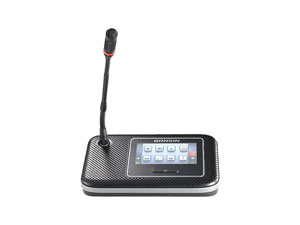
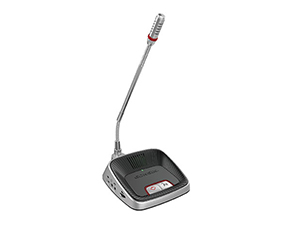
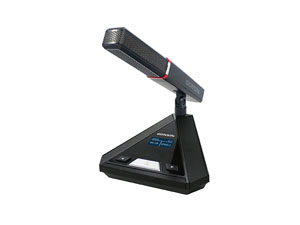
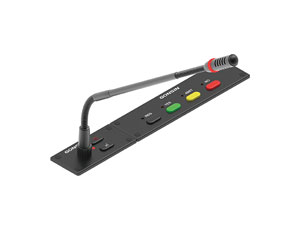
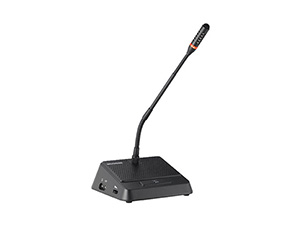
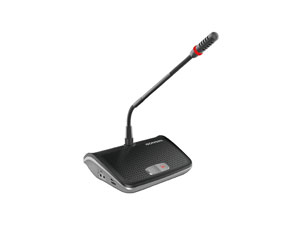
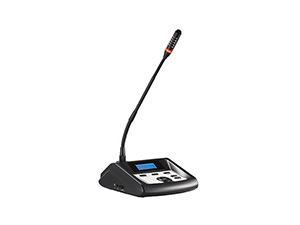
Microphones should also match the way the venue is used. A formal speaker at a lectern requires a different setup from a host moving between tables or delegates participating in a structured conference. Keeping the microphone close to the speaker improves the balance between the voice and the room, which reduces the amount of amplification required.
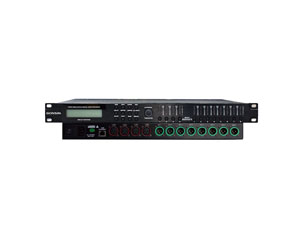
Digital signal processing then helps the different parts of the system work together. It can balance levels, align loudspeaker zones, manage active microphones, and support different room presets. However, DSP should refine a well-designed system rather than compensate for untreated reflections or poor loudspeaker placement.
| Common Problem | Architectural Response | Audio System Response |
|---|
| Speech sounds blurred | Reduce strong reflections and excessive reverberation. | Improve microphone pickup and direct loudspeaker coverage. |
| Volume changes across the room | Review physical obstructions and room geometry. | Use appropriately positioned loudspeaker zones with aligned timing. |
| Microphones feed back easily | Control nearby reflective surfaces. | Review microphone position, loudspeaker direction, and gain structure. |
| Divided rooms disturb each other | Improve partition sealing and sound isolation. | Use independent routing and control for each room section. |
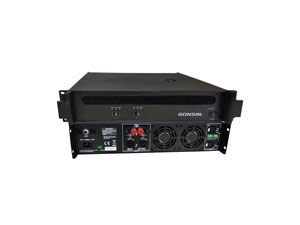
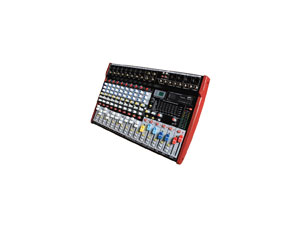
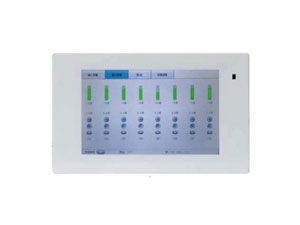
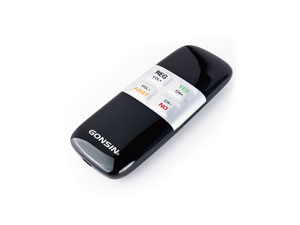
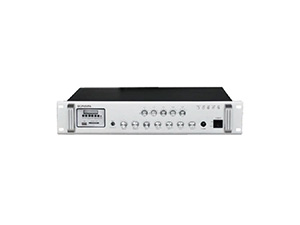
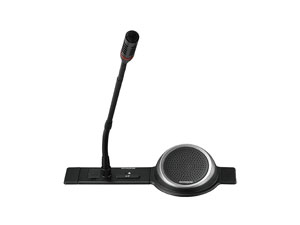
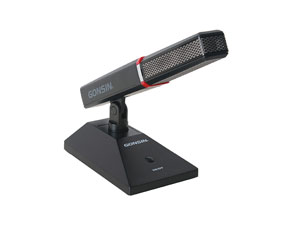
GONSIN provides conference and audio solutions that can connect discussion microphones, sound reinforcement, recording, and room control within one coordinated system. Hotels planning a new venue or upgrading an existing space can review the available GONSIN conference and AV products as part of the wider acoustic and system design process.
What Changes When a Ballroom Is Divided or Used for Different Events?
Hotel event spaces rarely remain in one fixed layout. A ballroom may operate as a single conference hall, divide into smaller meeting rooms, and later return to a combined layout for a banquet. The acoustic and audio design must support these changes without requiring technicians to rebuild the system each time.
When the room is divided, each section needs independent sound control. Microphones and playback sources used in one room should not be heard in another, and the loudspeaker coverage should suit the smaller layout. When the partitions are opened, the zones must work together as one larger system.
The acoustic response may also change between layouts. A setting that works well for the full ballroom may sound different after the space is divided. For this reason, the most common room configurations should be tested separately and saved as approved operating presets.
Event format creates a similar challenge. A keynote presentation places priority on speech clarity, while a banquet may require more musical energy. A hybrid meeting also needs a clean audio feed for remote participants. These requirements do not need completely separate systems, but they do require thoughtful routing and practical operating modes.
Well-designed hotel audio systems allow staff to move between these modes without changing complex technical settings. The system should make the room flexible while keeping operation simple enough for the hotel team to manage reliably.
How Can Hotels Coordinate Design, Commissioning, and Daily Operation?
Strong results depend on cooperation between the architectural, acoustic, and AV teams. Decisions about finishes, room layout, loudspeaker positions, and equipment locations all affect the final sound, so they should not be handled as separate projects.
The process should begin with the events the hotel expects to host. Once the main room layouts and operating needs are clear, the acoustic design can control the room response and the AV team can plan suitable coverage and control.
Commissioning should take place after the room is furnished because the finished interior changes how sound behaves. Testing should focus on the venue’s normal operating modes rather than every theoretical possibility. For most hotels, this means confirming that the system performs consistently when the ballroom is divided, combined, used for speech, or connected to a hybrid meeting.
Daily operation should also influence the design. Hotel staff often need to reset a room quickly between events, and not every operator will have advanced audio experience. Clear presets and simple controls help protect the original tuning while allowing staff to select the correct room mode.
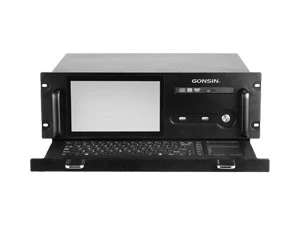
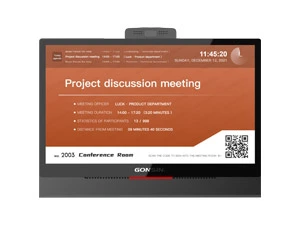
GONSIN can support hotel projects that need coordinated conference audio, video, recording, and centralized control. A suitable proposal begins with an understanding of the room layout, expected event formats, existing infrastructure, and normal operating workflow.
Contact GONSIN to discuss a hotel event-space solution that coordinates room acoustics with the required conference and audio technology.
Conclusion
Successful acoustic treatment for hotel event spaces begins by treating architecture and technology as one system. The room must control reflections and background noise, while the audio equipment must provide clear and even coverage for the audience.
More amplification cannot correct excessive reverberation, and acoustic treatment alone cannot provide flexible routing or consistent coverage. The most reliable results come from early coordination, realistic commissioning, and simple operating modes that match the way the hotel uses the space.
By combining thoughtful acoustic design with adaptable hotel audio systems, hotels can deliver clearer conferences, more polished events, and a more consistent guest experience across different room layouts.
Frequently Asked Questions About Hotel Event Space Acoustics
1. What is the difference between acoustic treatment and soundproofing?
Acoustic treatment controls sound reflections inside a room, while soundproofing reduces sound transmission to adjoining areas.
2. Can DSP fix excessive ballroom reverberation?
DSP can improve system tuning, but it cannot fully replace architectural acoustic treatment.
3. Do divisible ballrooms need separate audio zones?
Yes. Separate zones allow each room section to operate independently and then work together when the partitions are opened.
4. When should hotel acoustic planning begin?
It should begin during the architectural design stage, before the main finishes and equipment locations are finalized.



 اللغة العربية
  Español
  Français
  Pусский
  简体中文
简体中文 
.webp "FS-FHSS Wireless Simultaneous Interpretation System")
.webp "IR Simultaneous Interpretation System")

.webp "Interpreter Console")