The Intelligence Revolution: Why Your Next Conference Discussion System Needs AI
Traditional systems mainly amplified voices. Modern systems can capture, structure, and retrieve meaning—turning meetings into usable assets instead of forgotten conversations.
For global organizations, two problems consistently destroy productivity:
Language barriers that slow decisions and increase interpretation costs
Meeting amnesia—critical details get lost after the session ends
The most effective 2026 approach is a hardware + AI stack: high-fidelity conference audio hardware (the “input truth”) paired with speech-to-text and large language models (the “meaning layer”). Without clean audio and stable connectivity, even the best AI produces weak results.
Real-Time AI Translation: Breaking the Language Barrier
Traditional SI vs. AI Translation (What’s actually different?)
Simultaneous Interpretation (SI) relies on trained human interpreters working in real time with dedicated booths, receivers, and workflows. It’s excellent for nuance, but expensive and capacity-limited.
AI-driven translation, by contrast, starts with speech recognition (ASR), then translates text, then outputs speech or captions. This can reduce operational friction for recurring multilingual meetings—especially when paired with on-screen captions and searchable transcripts.
What “95% accuracy” really means in practice
Accuracy depends heavily on:
Audio cleanliness (noise, echo, mic distance)
Speaker accents and speed
Domain vocabulary (legal, parliamentary, medical)
Latency budget (translation has to be fast enough to be usable)
In most real deployments, AI performs best for general corporate and administrative meetings, and a hybrid model (AI + human oversight) remains common for high-stakes sessions.
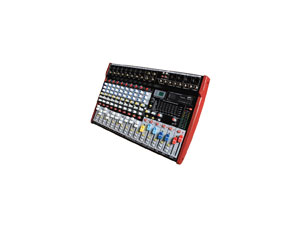
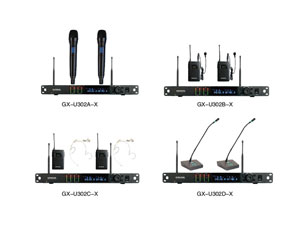
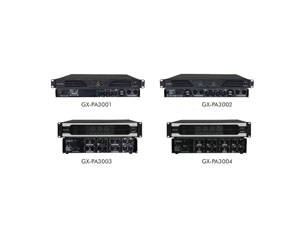
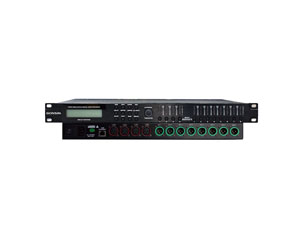
Hardware connection: why Gonsin-grade audio matters
AI cannot “fix” bad input. A conference discussion system that delivers clean, consistent, digitally managed audio gives AI engines a far better chance at:
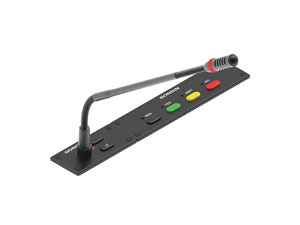
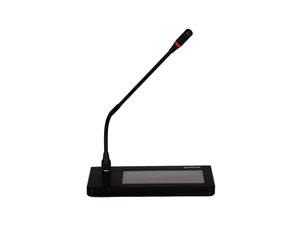
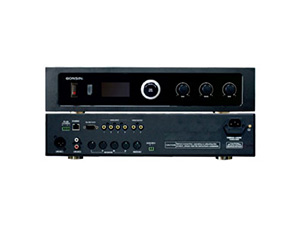
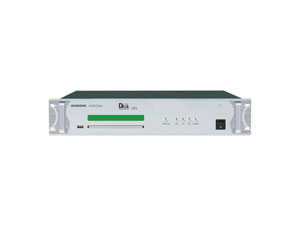
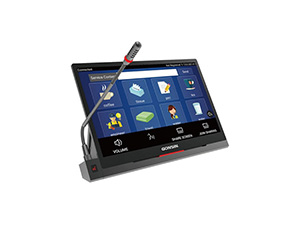
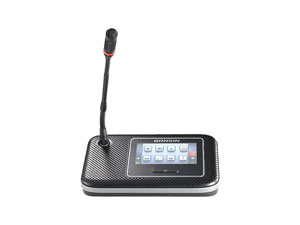
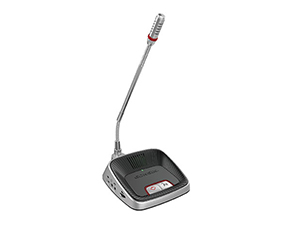
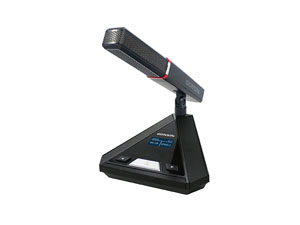
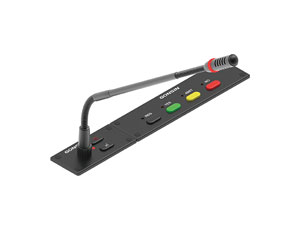
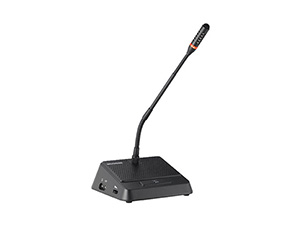
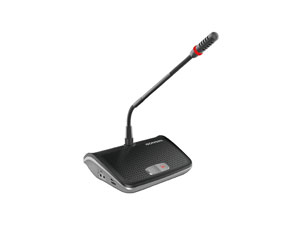
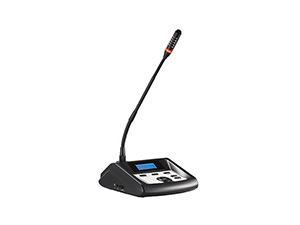
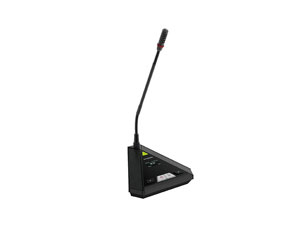
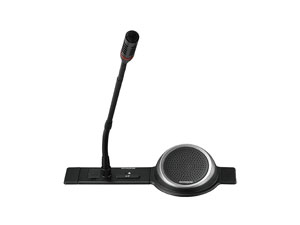
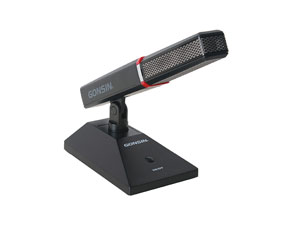
This is where systems like Gonsin digital conference terminals become the practical foundation: they’re not just microphones—they’re structured audio endpoints that can be routed, processed, and integrated.
From Voice to Text: The Power of Automated Meeting Transcription
Manual minute-taking is slow, inconsistent, and often incomplete. Automated transcription changes the workflow from “write everything down” to “verify and approve.”
What modern transcription adds (beyond a text dump)
A strong AI transcription layer can deliver:
Searchable archives (find decisions in seconds)
Instant recap / key points
Action-item extraction (with human review)
Time-stamped references for audits and governance
Technical detail: speaker identification (diarization)
Diarization answers: who said what.
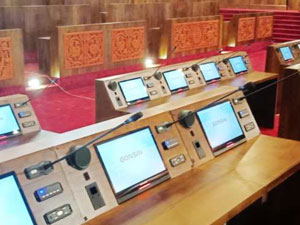
In a conference discussion system, each participant station can be associated with a seat, channel, or unit identity—making it easier for integrated transcription workflows to label speakers reliably (especially compared to a single-room mic).
Beyond the Basics: Predictive Analytics and Smart Camera Tracking
Once audio is digitized and structured, the system can power more automation.
AI-driven camera tracking (practical today)
Many conference environments use PTZ cameras that follow active speakers. When your conference discussion system can output reliable “who’s speaking” triggers (voice activity / mic status), camera switching becomes:
Sentiment analysis (possible—but needs caution)
“Room mood detection” is one of the most requested ideas—and one of the easiest to misuse. Tone analysis varies by culture, language, and context, and it should be treated as assistive telemetry, not objective truth—especially in parliamentary or HR contexts.
Security First
AI adds a new question stakeholders will always ask:
Where does the audio go—and who can access it?
Before enabling transcription or translation, define:
Cloud vs. on-premise processing
Data retention windows (minutes vs. months)
Encryption in transit and at rest
Role-based access to transcripts and recordings
Why secure transmission still matters (even with AI)
If audio is intercepted before it reaches your AI layer, everything else is irrelevant. Secure wireless and encrypted transport options—often referenced in professional conferencing as anti-interference and secure transmission designs—remain critical for government, enterprise, and regulated environments.
Choosing the Right Hardware for an AI-Ready Future
AI features change quickly. Hardware refresh cycles don’t. So the safest strategy is choosing conference infrastructure that’s integration-ready.
Prioritize:
Digital connectivity (for routing audio cleanly to AI services)
DSP/AEC support to reduce echo and noise
Modularity (easy expansion to more seats/languages)
Stable identity mapping (for diarization and archives)
API or integration paths (now or via middleware)
When selecting a conference discussion system, avoid “dumb mic-only” setups. The future is structured audio + metadata, because that’s what AI needs to generate consistent outputs.
Comparative Table: Human vs. AI-Assisted vs. Fully Automated Translation
| Approach | Best for | Cost | Accuracy & nuance | Latency | Risk |
|---|
| Human Interpretation (SI) | Diplomacy, legal nuance, high-stakes | High | Highest nuance | Very low | Low |
| AI-Assisted (AI captions + human oversight) | Multilingual governance/business | Medium | High with review | Low–medium | Medium |
| Fully Automated AI | Internal meetings, low-risk sessions | Low | Varies by audio/domain | Low–medium | Higher |
Takeaway: In 2026, the “default best practice” is often hybrid: AI for scale + humans for nuance.
Conclusion: Preparing for the 2026 Meeting Environment
AI doesn’t replace collaboration—it removes friction: language barriers shrink, decisions become searchable, and outcomes become measurable. But the real multiplier is reliable hardware. Clean audio capture and secure transmission are what make AI translation and transcription dependable.
FAQ
Can AI replace human interpreters in conference systems?
AI can provide cost-effective real-time translation and captions for many general meetings, but human interpreters remain essential for high-stakes nuance (e.g., diplomatic, legal, or highly technical sessions). In 2026, many organizations adopt a hybrid approach: AI for scale and speed, with human oversight for accuracy and intent.
What hardware features matter most for AI transcription and translation?
Prioritize clean digital audio capture, DSP/AEC to reduce echo, stable connectivity, secure transmission, and integration readiness (such as structured audio routing and identity mapping for speaker labeling). Better input quality directly improves transcription and translation outcomes.



 اللغة العربية
  Español
  Français
  Pусский
  简体中文
简体中文 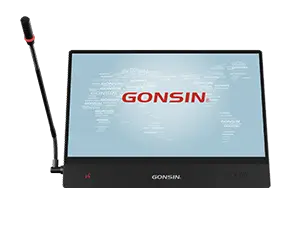
.webp "FS-FHSS Wireless Simultaneous Interpretation System")
.webp "IR Simultaneous Interpretation System")
.webp "Interpreter Console")