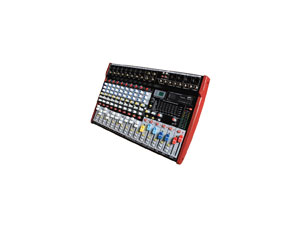
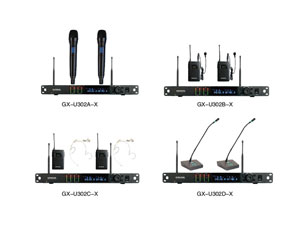
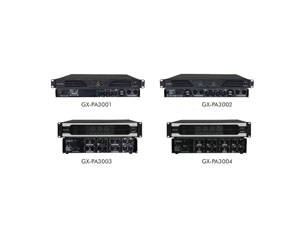
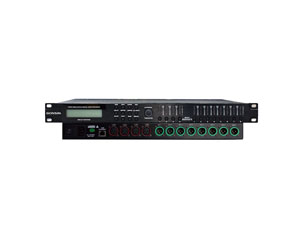
High-stakes meetings don’t wait. Picture an international summit where delegates speak different languages, decisions are made in real time, and every word must be captured accurately for minutes, compliance, and instant translation. In these environments, “good enough” transcription isn’t good enough—Automatic Speech Recognition (ASR) becomes mission-critical.
Automatic Speech Recognition (ASR) is the technology that converts human speech into written text—often in real time—using machine learning, deep learning, and Natural Language Processing (NLP). While many people experience ASR through phone dictation or voice assistants, the highest performance comes from professional hardware-software integration, where clean conference audio and intelligent ASR models work as one system.
GONSIN, as a leader in conference systems, focuses on bringing ASR beyond consumer use cases into professional conference environments—where accuracy, low latency, and secure deployment matter.
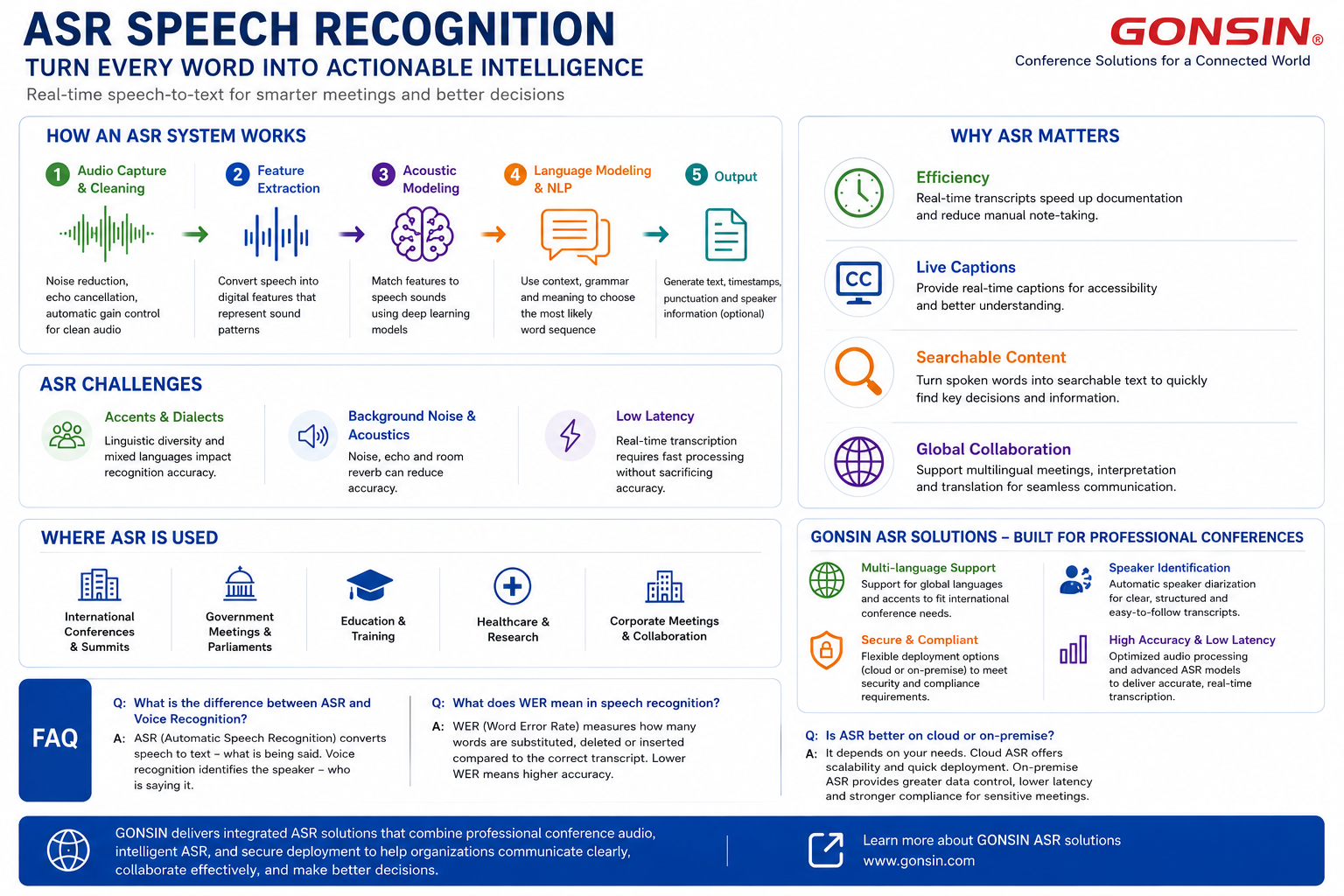
How Does an ASR Speech Recognition System Work?
A high-performing ASR speech recognition system isn’t just “an app.” It’s a pipeline—from audio capture to language understanding—that must be optimized end-to-end to reduce Word Error Rate (WER) and deliver usable transcripts in real time.
Step 1: Audio Capture & Cleaning (Where Accuracy Starts)
ASR performance is tightly linked to audio quality. In a conference room, challenges like cross-talk, HVAC noise, keyboard clicks, and room reverb can degrade recognition.
Professional deployments address this with:
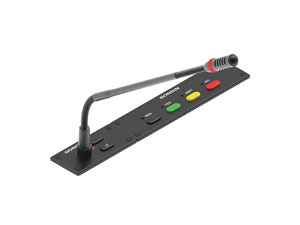
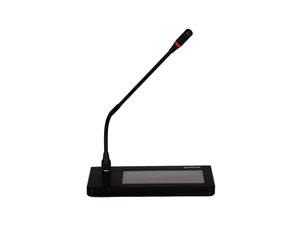
High-fidelity microphone arrays designed for speech pickup
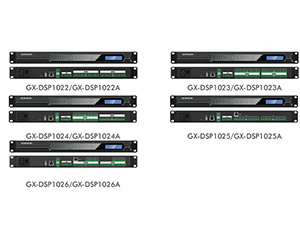
Digital Signal Processing (DSP) for noise reduction, echo cancellation, and automatic gain control
Proper mic placement and room-aware tuning
This is a major reason purpose-built conference microphones often outperform laptop mics for ASR—cleaner input dramatically lowers WER.
Step 2: Feature Extraction (Turning Sound into Signals)
Speech is an analog waveform. ASR systems convert it into a digital format and extract features that represent speech patterns (often framed as time-frequency information).
In simple terms: the system breaks continuous audio into small slices and measures patterns that help distinguish phonetic units (often described as phonemes).
Step 3: Acoustic Modeling (Matching Sounds to Speech Units)
The acoustic model estimates what sounds are being spoken—mapping extracted features to speech units across languages and speaking styles.
Modern ASR uses deep learning to handle variability in:
Step 4: Language Modeling & NLP (Making Sense of Context)
Speech recognition isn’t just sound matching—it’s also context.
Language modeling and NLP help the system choose the most likely word sequence based on grammar and meaning. This is how ASR can decide between “their” and “there,” or resolve ambiguous phrases using surrounding context.
Step 5: Output (Text, Timestamps, and More)
Finally, the system outputs:
Speech-to-text (STT) transcription
punctuation and formatting (depending on the system)
timestamps for each segment
optionally: speaker diarization (who spoke when)
For conferences, these outputs can feed minutes, archives, caption displays, and translation workflows.
Why ASR Is Essential for Modern Organizations
ASR is no longer a “nice-to-have.” It’s a practical layer that improves productivity, compliance, and inclusivity—especially in meeting-heavy organizations.
Efficiency: Faster Minutes and Documentation
Instead of manually writing meeting notes, ASR can generate transcripts immediately, enabling teams to:
Accessibility: Real-Time Captions
Live captions support:
participants who are deaf or hard of hearing
attendees joining remotely in noisy environments
improved comprehension for technical discussions
Searchability: From Spoken Data to Searchable Data
Once speech becomes text, it becomes indexable and searchable. Organizations can:
find who said what and when
retrieve decisions across long sessions
build knowledge bases from meetings
Global Collaboration: Better Support for Interpretation and Translation
In multilingual environments, ASR can improve the pipeline for:
real-time captioning across languages
downstream machine translation
alignment with simultaneous interpretation workflows (especially when integrated with professional conference audio)
Key Challenges in ASR (Real-World Considerations)
Even strong ASR models can struggle if the environment is uncontrolled. In professional conferences, the difference between a “demo” and a “deployment” is how well you address these realities.
Accents and Dialects
Linguistic diversity is a core challenge. ASR systems must generalize across regional pronunciation, mixed-language speech, and domain-specific vocabulary. Practical approaches include:
using models trained on diverse speech datasets
adding custom vocabularies (names, locations, acronyms)
adapting models for specific industries or institutions
Background Noise and Room Acoustics
In live meetings, noise and echo are unavoidable. This is why conference-grade microphones and DSP matter: better signal quality yields better recognition, even before the AI model “does its job.”
Low Latency for Live Events
Real-time transcription is only useful if it’s truly real time. Low latency is critical for:
Professional systems are engineered to process speech with minimal delay without sacrificing accuracy.
Case Study/Application: GONSIN’s ASR Speech Recognition System
Many ASR tools focus on software alone. GONSIN’s approach emphasizes system-level performance—the combination of conference audio capture, processing, and ASR output designed for demanding meeting environments.
Key capabilities commonly required in professional settings include:
Multi-language support for international conferences
Automatic speaker identification / speaker diarization for structured transcripts
Secure data handling, including deployment models aligned with government and enterprise needs (e.g., evaluating cloud vs. on-premise ASR)
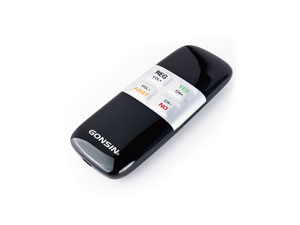
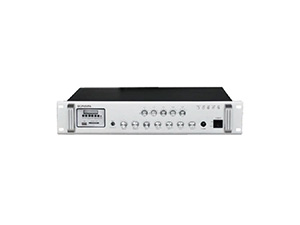
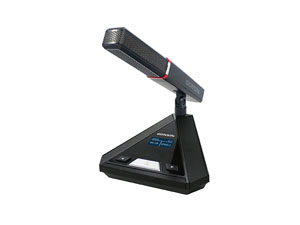
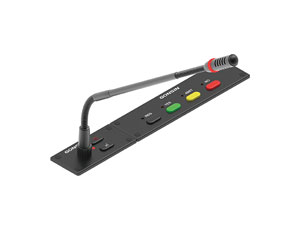
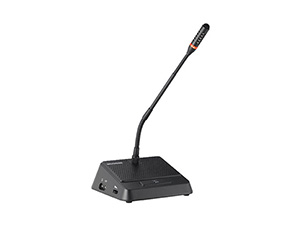
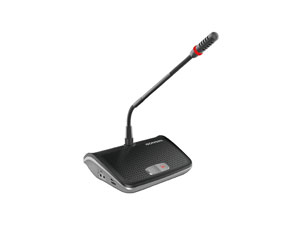
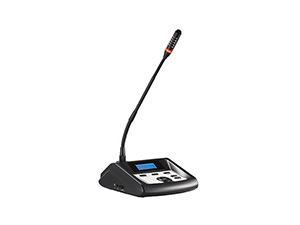
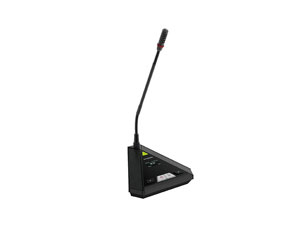
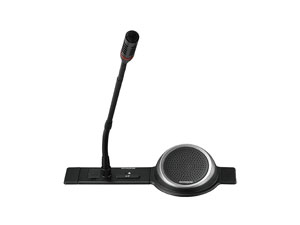
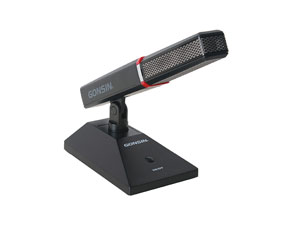
Hardware integration that improves audio fidelity and lowers WER in real rooms
GONSIN also has an established footprint in high-stakes venues, with a track record of conference solutions used for international parliaments and conventions—a practical trust signal for organizations that prioritize reliability and governance standards.
Conclusion: The Future of ASR in Conferences and Beyond
Automatic Speech Recognition has evolved from a consumer convenience into a core capability for modern organizations—especially where meetings are multilingual, regulated, and time-sensitive. The best results come from treating ASR as a complete workflow: conference audio hardware + DSP + robust ASR modeling + secure deployment.
FAQ (Featured Snippet-Friendly) + Schema Markup
What is the difference between ASR and Voice Recognition?
ASR converts spoken words into text (what is being said). Voice recognition identifies the individual speaker (who is saying it).
What does WER mean in speech recognition?
Word Error Rate (WER) is a standard accuracy metric that measures how many words were substituted, deleted, or inserted compared to a correct transcript. Lower WER means higher accuracy.
Is ASR better on cloud or on-premise?
It depends on security, latency, and governance needs. Cloud ASR can scale quickly, while on-premise ASR is often preferred for sensitive meetings where data control and compliance are priorities.



 اللغة العربية
  Español
  Français
  Pусский
  简体中文
简体中文 


.webp "FS-FHSS Wireless Simultaneous Interpretation System")
.webp "IR Simultaneous Interpretation System")
.webp "Interpreter Console")