Achieving clear audio in a conference room, corporate boardroom, or international congress hall requires moving past generic sound equipment. For decades, traditional microphone setups—consisting of handheld wireless mics, heavy podium goosenecks, or basic tabletop boundaries—were the industry standard. While functional for single-speaker stages, traditional microphones consistently struggle to meet the demands of dynamic, multi-participant business and government meetings.
Modern organizations increasingly rely on a dedicated microphone discussion system to run efficient meetings. Transitioning to a digital wireless discussion system solves the common layout restrictions, signal drops, and administrative delays of legacy audio setups. Below, we examine the key structural differences and advantages between these two configurations.
Sound Quality and Coverage: Why Discussion Systems Excel in Large Venues
In a massive venue, managing audio with traditional microphone setups can be difficult. Handheld or lavalier microphones capture audio well, but they rely heavily on central PA speakers to broadcast sound back to the audience. This frequently results in uneven volume distribution, sound dead zones, and persistent acoustic feedback when a microphone moves too close to a speaker cone.
A specialized microphone discussion system completely re-engineers this approach by distributing both the audio capture and the audio output.
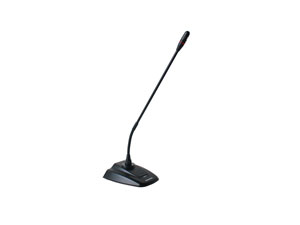
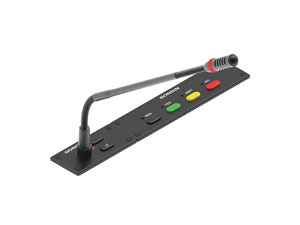
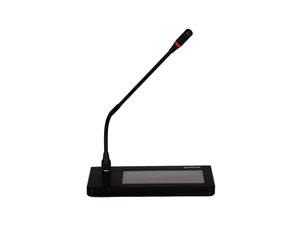
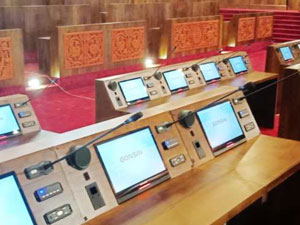
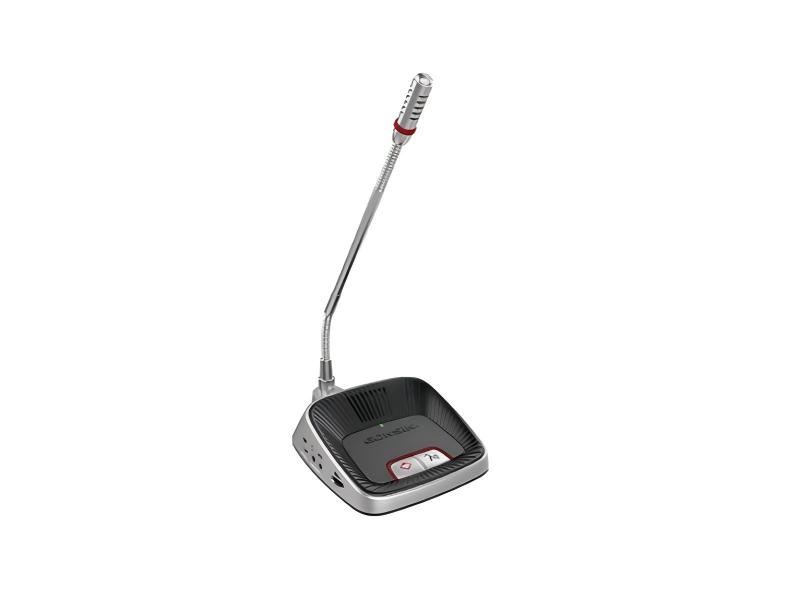
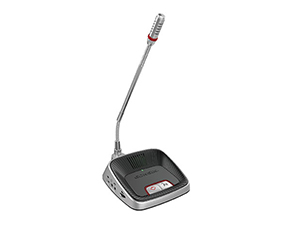
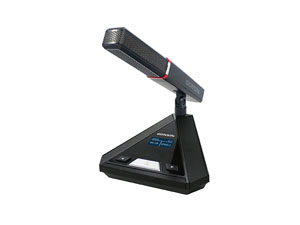
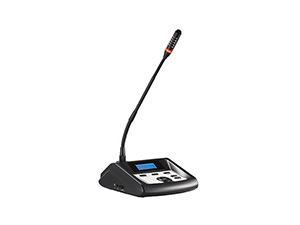
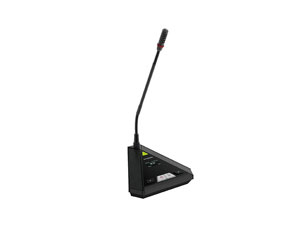
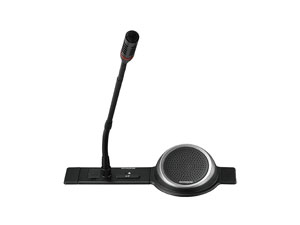
Instead of relying solely on distant wall speakers, each participant's tabletop unit features an integrated, low-profile loudspeaker paired with a high-performance microphone. This creates a dense, localized audio matrix across the entire floor. When a delegate speaks, their voice is reproduced clearly at every single seat. This localized design allows a wireless discussion system to deliver consistent audio coverage across deep multi-function spaces without triggering the room reflections or acoustic howling common with traditional public address systems.
Ease of Use and Participant Interaction: Seamless Discussion vs Passing Microphones
The flow of a meeting directly affects participant collaboration. With a traditional audio setup, a room sharing a few handheld wireless microphones suffers constant interruptions. Valuable time is wasted passing hardware back and forth, or waiting for a floor runner to reach a speaker. This friction disrupts the natural pace of debates and dampens active conversation.
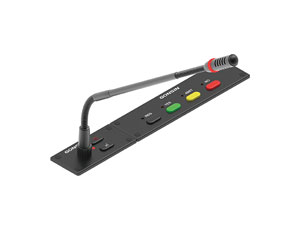
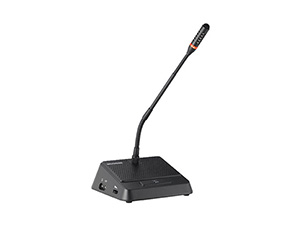
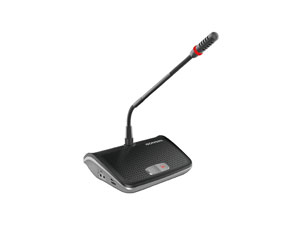
A digital microphone discussion system removes these physical barriers by providing every seat with an independent terminal.
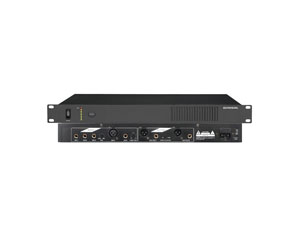
Advanced control units manage speech priority seamlessly. Chairman units can mute the floor instantly, while delegate units join an organized electronic speech queue. This structured approach allows hundreds of participants to engage in fluid, orderly debates without physical hardware management.
Wired vs Wireless Flexibility: Scalability and Mobility Advantages
Wired audio networks offer exceptional stability but lack flexibility. Cutting channels into historic boardroom tables or running bulky analog cables across temporary event layouts increases installation costs and limits seating configurations.
Deploying an advanced wireless discussion system combines the raw performance of a wired network with absolute physical mobility.
Technology Spot: GONSIN’s flagship 30000S Series utilizes original FS-FHSS (Frequency Hopping Spread Spectrum) wireless technology. This innovation allows the system to monitor the RF environment in real time and automatically hop away from congested channels. This ensures a stable, secure signal free from Wi-Fi interference.
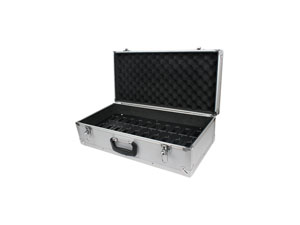
Properties can easily scale their inventory up or down depending on the attendance sheet. Setting up a 100-seat international summit requires no structural modifications or external cabling—units are simply placed on tables and powered on.
Advanced Features Integration: Voting, Interpretation and Central Control
A traditional microphone setup does only one thing: it captures analog sound. If a modern meeting requires electronic voting, multi-language simultaneous interpretation, or automated camera tracking, facilities must purchase, wire, and configure separate external systems.
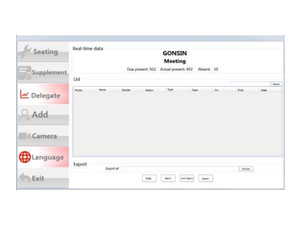
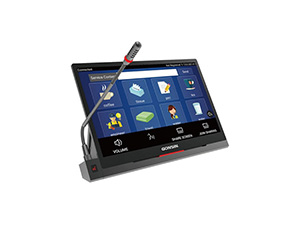
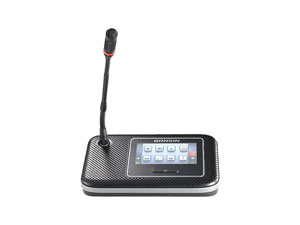
A professional microphone discussion system serves as an all-in-one conference management hub. GONSIN’s fully digital congress terminals natively integrate multiple advanced workflows into a single tabletop device:
Digital Voting: Facilitates parliamentary, multiple-choice, or appraisal voting with instant data logging.
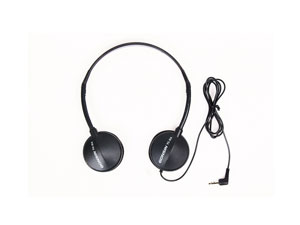
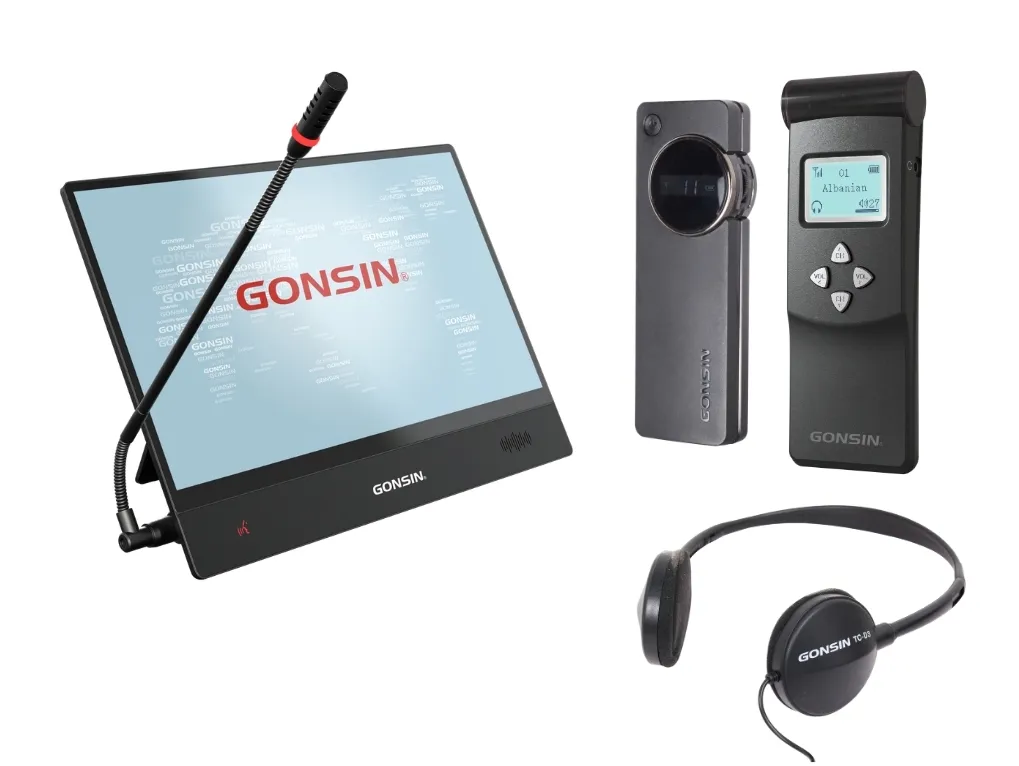
Simultaneous Interpretation: Supports multi-channel language distribution, allowing delegates to select their native language channel via headphones.
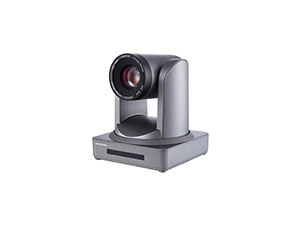
Camera Tracking & Central Matrix: Automatically triggers pan-tilt-zoom (PTZ) cameras to focus on the active speaker the moment they activate their microphone.
Reliability, Maintenance and Long-Term Cost Savings
While the upfront cost of generic consumer microphones seems lower, their long-term operational expenses accumulate quickly. Traditional wireless setups suffer from constant battery replacement cycles, broken handheld clips, damaged analog cables, and frequent manual troubleshooting by dedicated on-site AV technicians.
A commercial-grade wireless discussion system is engineered for long-term durability in high-demand environments. GONSIN's hardware features robust dual-chain backup architecture, ensuring that if a primary data path encounters an issue, a secondary line seamlessly takes over without audio dropouts.
Hardware Architecture Comparison: Traditional vs Modern Digital Systems
The following matrix highlights the operational differences between generic microphone arrays and specialized conference discussion architectures:
| Technical Attribute | Traditional Microphone Setup | GONSIN Wireless Discussion System |
|---|
| Audio Distribution | Centralized wall/ceiling PA speakers only | Decentralized, individual tabletop speaker arrays |
| Meeting Moderation | Manual intervention / No queue control | Automated speech queues with chairman priority |
| Feature Expansion | Requires separate voting & translation gear | Built-in voting, interpretation, and ASR tracking |
Experience the GONSIN Difference
Since 2003, GONSIN has pioneered independent innovation in digital conference system solutions. Trusted by leading organizations across 140 countries, GONSIN hardware has equipped high-profile international summits—including the Global Health Forum of Boao Forum for Asia and major university conference halls.
From the 10000N Series seamless compatible wired/wireless terminals to the high-end 20000S Fully Digital Congress System, GONSIN manufactures tailored solutions backed by global ISO, CE, and FCC certifications.
Ready to eliminate cable clutter and elevate your meeting productivity? Please Contact Us today to speak with an engineering consultant about custom audio architecture for your venue.
Conclusion
Traditional microphone arrays fall short when tasked with managing complex, multi-person conference dynamics. Transitioning to a dedicated microphone discussion system ensures uniform sound quality, smoother participant interaction, and effortless feature integration. By utilizing a secure wireless discussion system driven by FS-FHSS anti-interference technology, modern venues gain a flexible, future-proof asset that lowers maintenance overhead and guarantees clear, professional communication for every seat in the room.
Frequently Asked Questions (FAQ)
1. How many active microphones can a wireless discussion system manage simultaneously?
Most central control units can support hundreds of passive terminals, while allowing administrators to limit the number of open, active microphones (typically 1 to 4 speakers) to maintain clean audio environments.
2. Will a wireless discussion system experience interference from office Wi-Fi networks?
No. Advanced networks like GONSIN's 30000S series utilize smart FS-FHSS technology to automatically detect and hop over congested channels, completely bypassing interference from local Wi-Fi router bands.
3. Can wireless discussion units operate on battery power for long day-long sessions?
Yes. Commercial discussion terminals are equipped with high-capacity lithium battery packs that deliver over 14 to 20 hours of continuous active speech time, comfortably covering long convention schedules.
4. Is it possible to combine both wired and wireless units in a single meeting room?
Yes. GONSIN’s seamless compatibility architecture allows facilities to run wired units for fixed board seats alongside wireless units for flexible seating expansions on a single central controller.



 اللغة العربية
  Español
  Français
  Pусский
  简体中文
简体中文 
.webp "FS-FHSS Wireless Simultaneous Interpretation System")
.webp "IR Simultaneous Interpretation System")
.webp "Interpreter Console")