 اللغة العربية
  Español
  Français
  Pусский
  简体中文
简体中文 

.webp "FS-FHSS Wireless Simultaneous Interpretation System")
.webp "IR Simultaneous Interpretation System")
.webp "Interpreter Console")

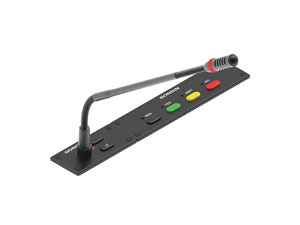
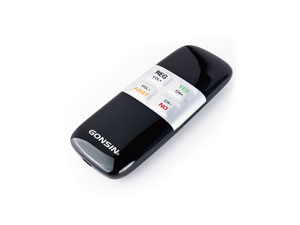
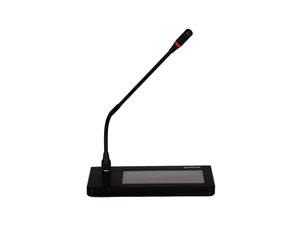


A voting system may only be used for a few minutes during a meeting, but those minutes often carry more weight than the discussion that comes before them. When a proposal is put to a vote, delegates need to respond without confusion and the operator needs to know that the result reflects what happened in the room.
Both wired and wireless voting can support this process. The real difference appears in how each system fits the venue. A permanently installed council chamber has very different practical needs from a conference hall that changes its seating arrangement from one event to another.
For that reason, choosing a conference voting system should begin with the room and the way meetings are conducted there. The connection method matters, but it should support the meeting rather than becoming the starting point of the decision.
Fixed Rooms Favor Predictable Infrastructure
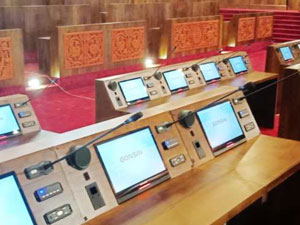
In a room where delegate positions rarely change, a wired system has a natural advantage. The voting units can become part of the permanent conference infrastructure, with each position prepared around an established seating plan.
This arrangement is well suited to council chambers, boardrooms and formal meeting halls that are used repeatedly in much the same way. Once installed and commissioned, there is little need to rebuild the voting setup before each session.
The physical connection also removes the need to manage a wireless link between every voting unit and the central system during routine use. For venues where voting is frequent and the seats are unlikely to move, that predictability can be more valuable than installation flexibility.
A permanent installation does require planning at an earlier stage. Cable routes and delegate positions need to be considered before the room is finished or renovated. If the seating layout later changes substantially, the infrastructure may need to change with it. The question is therefore not whether wired voting is more advanced or more traditional. It is whether the room itself is stable enough to benefit from a fixed connection.
Where Wireless Voting Earns Its Flexibility
A different logic applies when the room changes frequently. In a multi-purpose conference hall, delegates may sit in rows for one event and around tables for the next. A permanent voting point at every possible seat is difficult to justify when the physical layout is never truly permanent.
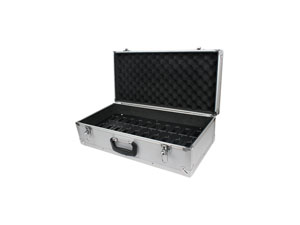
This is where wireless voting becomes useful. Voting units can be distributed according to the current event rather than tied to fixed cable positions. The same equipment can therefore adapt more easily when seating arrangements change.
Wireless systems can also reduce the amount of temporary cabling across the meeting area. This is particularly helpful when a venue must be prepared quickly or when cables would interfere with the finished appearance of the room.
The trade-off is that wireless operation introduces a radio environment that has to be managed. The system should be checked in the actual venue before an important meeting, especially in buildings where many wireless devices may already be operating.
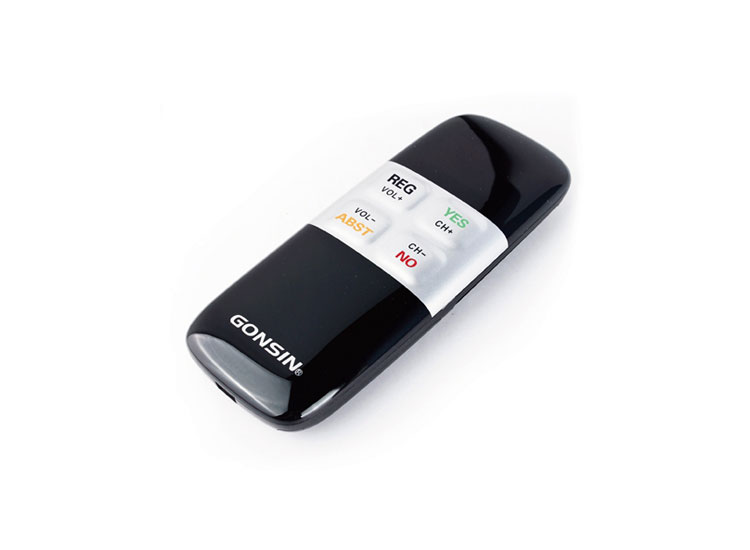
GONSIN's wireless voting solutions include on-site wireless environment detection and frequency selection functions intended to help the system operate reliably in busy conference environments. Battery condition is also monitored at the terminal, which is important because a portable voting unit needs to be ready when the vote begins.
Voting Workflow Matters More Than the Connection Type
Whether the terminal is connected by cable or radio, the delegates should experience essentially the same thing: a clear invitation to vote, an understandable choice and confirmation that the response has been received.
The operator's experience matters just as much. Voting should follow naturally from the meeting agenda rather than feeling like a separate technical process that has to be assembled every time a decision is required.
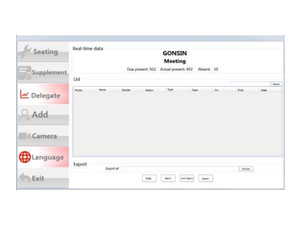
A well-designed conference voting system can connect the vote to the current meeting process so that the operator opens the voting session, delegates respond and the system collects the result. The outcome can then be presented in the way required by the meeting.
This is why buyers should not judge the system only by the voting terminal. The software and central control determine how smoothly the room moves from discussion to decision.
| Meeting Condition | Wired Voting | Wireless Voting |
|---|---|---|
| Permanent delegate seating | Fits naturally into a fixed conference infrastructure | Works, but flexibility may provide little added value |
| Room layout changes frequently | Cabling may limit how easily seats can move | Adapts more easily to changing seating arrangements |
| Temporary meeting setup | Requires more planning for temporary connections | Generally easier to deploy and remove |
| Long-term routine use in one room | Provides a predictable permanent setup | Requires ongoing attention to wireless conditions and terminal power |
What Changes When the Room Is Reconfigured?
The answer to wired or wireless can change when the meeting room itself serves more than one purpose.
Consider a divisible conference hall. When used as one large room, it may accommodate a significant number of delegates. The next day, partitions may create several smaller meetings with different seating plans. A fixed voting infrastructure designed only for the full-room arrangement may not follow those changes naturally.
A wireless voting setup can make this type of venue easier to reconfigure because the terminals move with the delegates. The voting system follows the event rather than the furniture having to follow the cabling.
That flexibility is less important in a purpose-built government chamber where seats, delegate identities and operating procedures remain consistent. In that environment, the stability of a permanent wired system may be the stronger advantage.
There is also no requirement for every facility to adopt the same approach across all rooms. A government complex could use permanent wired voting in its main chamber while using portable wireless equipment in flexible meeting spaces. The system architecture should reflect how each room is actually used.
What Should Buyers Confirm Before Making the Final Choice?
By the time the room layout and meeting workflow have been considered, the technical choice is usually much clearer. Buyers should then confirm that the proposed system performs reliably under the conditions in which it will actually operate.
For a wired installation, this means making sure the cabling and seating design will remain practical over the expected life of the room. For a wireless system, testing should take place in the real venue so that radio conditions can be checked before the system is relied on during a formal vote.
The voting process itself should also be demonstrated from beginning to end. Delegates should be able to understand when voting begins and know that their response has been accepted, while the operator should be able to manage the session without unnecessary steps.
Future use deserves some thought as well. If a venue is likely to become more flexible, a system designed only around today's seating arrangement may become restrictive. Conversely, there is little reason to introduce portable equipment into a room that will remain fixed for years simply because wireless technology appears more modern.
GONSIN provides both wired and wireless conference voting solutions, allowing integrators to select the architecture around the venue rather than forcing every project into the same configuration. Its systems are designed to connect delegate voting with centralized result collection and meeting management, making the voting process part of the wider conference workflow.
If you are planning a new chamber, upgrading an existing meeting room or deciding whether wireless voting is appropriate for a flexible venue, contact GONSIN to discuss the room layout and expected meeting process before finalizing the system.
Conclusion
The choice between wired and wireless voting is not really a contest between two technologies. It is a question of how closely the voting system should follow the physical structure of the room.
Wired voting is a strong fit where delegate positions are permanent and meetings follow a repeatable format. Wireless voting becomes more valuable when the room changes, equipment needs to move or permanent cabling would limit how the space can be used.
In either case, the best conference voting system is one that makes the voting process feel straightforward to delegates and predictable to operators. When the technology fits the venue, it stays in the background while the decision itself remains the focus.
Frequently Asked Questions About Conference Voting Systems
1. Is wired voting more reliable than wireless voting?
A wired connection avoids dependence on the local radio environment, while a properly planned wireless system can provide reliable operation with greater installation flexibility.
2. When is wireless voting the better choice?
It is particularly useful in temporary venues, multi-purpose rooms and spaces where delegate seating changes frequently.
3. Can wired and wireless voting be used in different rooms of the same facility?
Yes. Each room can use the architecture that best matches its seating layout and meeting workflow.
4. What should be tested before a wireless voting system is used?
The system should be tested in the actual venue to confirm wireless communication, terminal readiness and the complete voting workflow.